
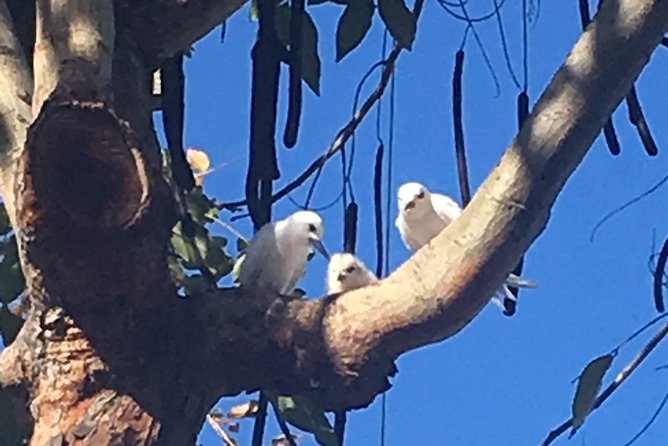
Reviewed · WALKING TOURS
The East Waikiki Walking Tour
Waikiki has layers, not just beaches. This tour threads together World War landmarks, surf-school history, and animal sightings with Diamond Head (Le’ahi) geology along the way, so you leave with a better map of what you’re actually seeing.
I like two big things right away: the small group size (max 4) makes it easier to ask questions, and the tour’s focus on real local nature and Hawaiian context feels more respectful than the usual quick-photo stroll. The free snack hit—mochi ice cream—is timed mid-tour, so you’re not just walking and hoping.
One drawback to plan around: it’s a walking tour with a moderate fitness level and it depends on good weather. Also, they don’t provide bottled water, so bring your own or plan to use the cold water they’ll offer via sterilized hydroflasks if you forget.
In This Review
- Key points before you go
- Start at Surfer on a Wave: easy meeting, easy pace
- Waikiki War Memorial Natatorium: a World War story you can see
- Kaimana Beach surf history: Outrigger vs Hui Nalu, plus a monk seal hope
- Kapiolani Park: photos, ice cream, and a breather with purpose
- Around the zoo: animal stories from residents, not just exhibits
- Diamond Head (Le’ahi) at street level: geology you can picture
- The tour’s sustainability angle: better questions for Waikiki
- Value check: $14 for two hours that packs in meaning
- Who should book, and who should skip
- Should you book? My decision guide
- FAQ
- How long is the East Waikiki Walking Tour?
- How much does the tour cost?
- Where do I meet the guide for the tour?
- Where does the tour end?
- What’s included with the tour?
- Is bottled water provided?
- Is this tour good for people with moderate physical fitness?
- Are tickets or admissions required for the stops?
- What happens if the weather is poor?
Key points before you go
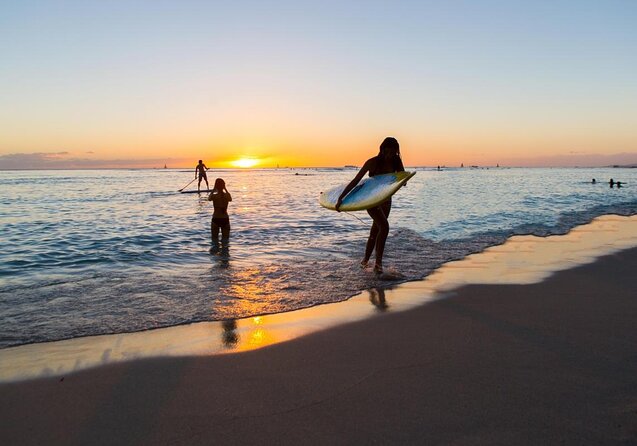
- Max 4 people means less crowd energy and more time for questions.
- Mochi ice cream snack happens about 45 minutes in, not at the end.
- Kaimana Beach monk seal lookout adds real wildlife suspense (no guarantees).
- Surf history at Kaimana Beach includes the Outrigger and Hui Nalu surf clubs story.
- Diamond Head geology gets explained at street level, right by the park.
- Small stops, no hard admissions: the listed stops are free to enter for the tour.
Start at Surfer on a Wave: easy meeting, easy pace
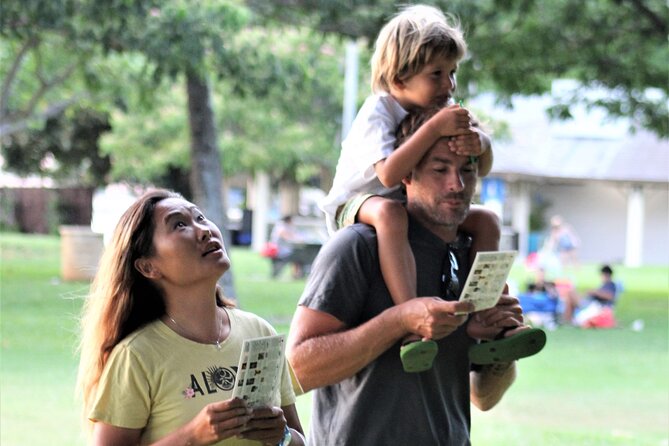
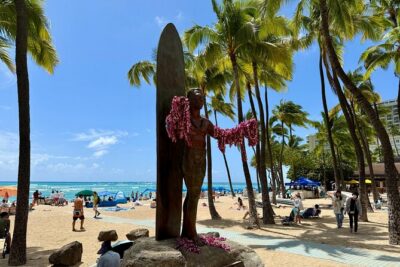
You meet at the public art piece called Surfer on a Wave on Kalakaua Ave near the intersection with Monsarrat Ave in Honolulu. The start time is 9:00 am, and the tour ends back at the same meeting point, so you’re not trying to play navigator at the end of two hours.
Because the group is capped at 4, the vibe tends to feel like a friendly neighborhood walk with an expert explaining what you’d otherwise miss. You’ll want to show up a few minutes early, too—there’s at least one report of a guide not arriving on time, and in a situation like that you’ll be glad you were already there to get help quickly.
For logistics, you’re close to public transportation, and service animals are allowed. The walking level is described as moderate, which usually means you should be comfortable on sidewalks and short stretches without needing constant breaks.
What to bring is simple: comfy shoes, sun protection, and a way to stay hydrated. They don’t hand out bottled water, but they do have sterilized hydroflasks with cold water available for use if you forgot yours.
Oahu at a stroll, a few more routes
- Honolulu Haunts: Ghosts and Spirits Walking Tour★ 4.2 · 169 reviews
- Honolulu Downtown Walking Tour★ 5.0 · 149 reviews
- Kualoa Ranch – Horseback Walking Tour★ 4.0 · 145 reviews
- Ghosts of Old Honolulu Walking Tour★ 4.5 · 53 reviews
Waikiki War Memorial Natatorium: a World War story you can see
The first stop is Waikiki War Memorial Natatorium. Even before any talk starts, the setting already feels unusual: a war memorial concept paired with an abandoned-style presence and an olympic-sized pool right there in the area.
This part of the tour is about Hawai’i’s role in the world wars. You’re not just hearing dates; you’re looking at a physical place and learning how the war era showed up in Waikiki. The timing is short—about 15 minutes—so think of it as a strong orientation moment: you’re learning why this strip of sand and hotels sits on top of major events.
Practical note: since it’s a pool-related location, plan for bright light and salt air. If you’re sensitive to sun, bring something you can reapply (hat, sunscreen, sunglasses).
Kaimana Beach surf history: Outrigger vs Hui Nalu, plus a monk seal hope
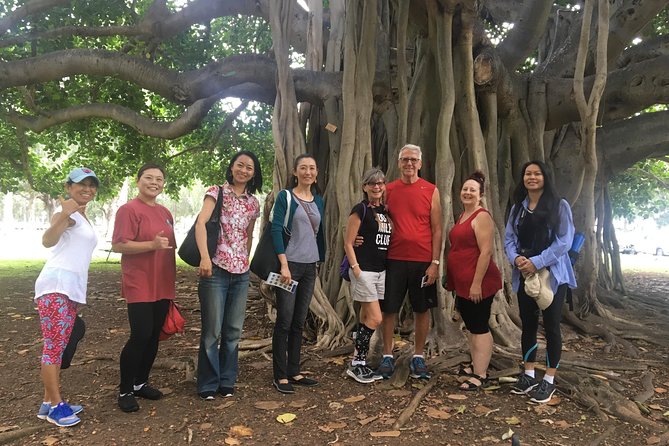
Next you head to Kaimana Beach, and the tour turns from war-era Waikiki to surf-era Waikiki—specifically the basics of surfing history at the site where the first surf schools were established.
Here’s what makes this stop more interesting than the usual surf-buzz conversation: you’ll hear about a conflict between the two original surf clubs—Outrigger and Hui Nalu—and how that rivalry shaped the public image of surfing and Hawai’i abroad. It’s a reminder that even recreation has politics, branding, and power behind it.
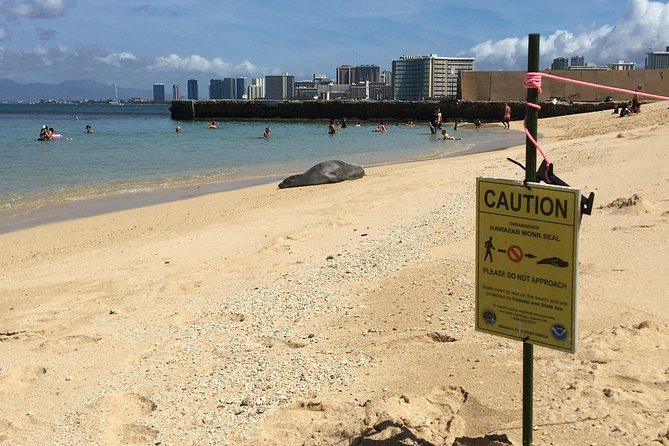
You’ll also get a real wildlife “maybe” moment. Kaimana Beach is one of the favorite haul-out spots for a rare Native Hawaiian monk seal, so the guide may encourage you to watch along the shore (no guarantees). That little bit of suspense is what keeps this from feeling like a lecture you can tune out.
Time-wise, it’s about 10 minutes, so you’ll want to stay present and look while the guide talks. If you’re the kind of person who notices small details—where people stand, where the waterline sits, how the coast curves—this stop should land well.
Kapiolani Park: photos, ice cream, and a breather with purpose
From the beach you move to Kapiolani Park. This is where the tour slows just enough for you to reset: a photo pause plus a short break.
You’ll enjoy locally made ice cream here, and it’s not just a random treat stop. It helps you shift from “fact gathering” into “street observing,” so you start noticing the park as a living part of Waikiki instead of a pit stop between sights.
The tour schedules about 15 minutes at this point. That means you’re not losing the morning to a long break, but you also aren’t rushing through. If you get tired easily, this is a good moment to sip water, take a breath, and regroup mentally before the tour turns back to animal stories and geology.
- Waikiki Trolley Blue Line Coastline & Local Grindz Hop-on Hop-off
★ 5.0 · 4,159 reviews - Oahu Circle Island Tour with Waimea Waterfall
★ 5.0 · 3,912 reviews - Oahu’s North Shore: 8-Line Zipline Adventure
★ 5.0 · 3,616 reviews - Hidden Gems of Oahu Circle Island Tour with Byodo In Temple
★ 5.0 · 3,450 reviews - Toa Luau at Waimea Valley, Oahu
★ 5.0 · 3,350 reviews
Around the zoo: animal stories from residents, not just exhibits
Later the walk includes circling the zoo, where you’ll hear stories about animals that have called this place home over the years. The tour doesn’t list specific species, so I’d treat it as a “listen for themes” experience rather than a checklist.
This section is valuable because it nudges you away from the usual zoo mindset of only seeing cages. Instead, you focus on individual and historical connections—how animals and humans interact through time, and how zoos become part of the local conservation and community conversation.
If you care about wildlife, this is a good segment. If you only want scenery and don’t like hearing about animals in public settings, you might find it less your style. Either way, it stays part of a two-hour whole, so it doesn’t drag.
Diamond Head (Le’ahi) at street level: geology you can picture

After the animal-focused stop, you walk along the base of Diamond Head (Le’ahi) State Park and get the geology story behind the iconic volcanic cone. This is one of those moments where you can see a shape for years, but only later understand what makes it that shape.
The guide explains how the island formed and how Diamond Head fits into that bigger volcanic picture. You’ll get the “why” behind the famous silhouette, right from the path near the park rather than far away in a viewpoint with less context.
This section is great if you’re the type who loves connecting visuals to science. And even if you’re not, it still works because it’s tied to what’s right in front of you: the slope, the rock, the fact that Hawai’i’s beauty comes from geology that’s still doing its thing.
The tour’s sustainability angle: better questions for Waikiki
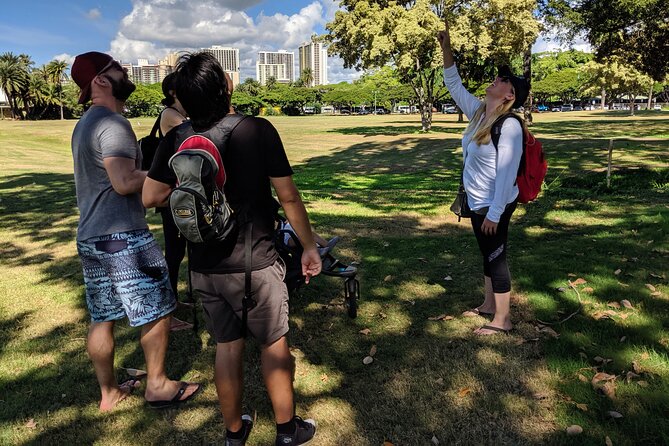
One of the most distinct elements here is the lens the guides use. Hawai’i Walks positions the experience around sustainability and consumer awareness—how industry in Waikiki affects the environment and local life, and what visitors can do differently while they’re in Hawai’i.
You’re also learning Hawaiian flora and fauna, plus broader human history across the Pacific, not just a list of Instagram spots. That matters because Waikiki can feel like a place built for tourists. This tour tries to reconnect the area to the living systems around it and the human choices that shape those systems.
If you like tours that leave you with practical takeaways—things you’ll actually do differently—this is the kind of structure that usually fits. You don’t just hear facts; you’re encouraged to think about impacts and responsibility while you walk through the city.
Value check: $14 for two hours that packs in meaning
At $14 for about two hours, this is one of the more budget-friendly ways to get context in Waikiki. The price is low enough that you’re not taking a financial risk, especially if you’re doing other paid activities later.
What boosts the value is what’s included. Admission at the listed stops is free for the tour, snacks are included, and you get the mochi ice cream around 45 minutes in. They also make cold water available via sterilized hydroflasks if you forgot yours, which is a small detail but a real comfort factor on a warm morning.
The group cap at 4 also helps. With fewer people, you’re more likely to get answers to your questions, and you’re not just following a herd of strangers.
So the math is simple: you’re paying very little for a guided walk that mixes history, nature, and geology in a way that’s hard to DIY unless you already know what to look for.
Who should book, and who should skip
This tour fits best if you want more than beach scenery and you’re curious about how Waikiki got the way it is. If you like learning from expert interpretation—especially when it connects Hawaiian history, nature, and real-world impacts—this should feel satisfying.
It also fits families and groups with service animals, since service animals are allowed and the stops are spread out in manageable chunks. The moderate fitness level means you should be comfortable walking for two hours with short pauses.
You might skip it if you want a purely relaxing morning with no learning component, or if long stretches of walking make you feel uncomfortable fast. Also, the monk seal element is a hope, not a guarantee, so if you’re only interested in guaranteed animal viewing, treat that as bonus luck.
Should you book? My decision guide
I’d book this if you’re spending time in Waikiki and you want a fast, low-cost way to understand what you’re looking at: surf culture history at Kaimana, war-era footprints at Waikiki War Memorial Natatorium, animal stories around the zoo, and Diamond Head geology right at the base of the cone.
I’d be cautious only about weather and timing. The tour requires good weather, and since there’s at least one reported no-show issue, arrive early and make sure the meeting spot is correct before the start time. If you do those two things, you’re set up for a morning that feels like Waikiki is telling you its story—not just posing for photos.
FAQ
How long is the East Waikiki Walking Tour?
It runs for about 2 hours.
How much does the tour cost?
The price is $14.
Where do I meet the guide for the tour?
You meet at the public art Surfer on a Wave at Kalakaua Ave + Opp, Monsarrat Ave, Honolulu, HI 96815.
Where does the tour end?
The tour ends back at the same meeting point.
What’s included with the tour?
Snacks are included, including free local mochi ice cream about 45 minutes into the tour.
Is bottled water provided?
Bottled water is not provided. If you forgot your own, the tour provides sterilized hydroflasks with cold water.
Is this tour good for people with moderate physical fitness?
Yes. It’s described as requiring a moderate physical fitness level.
Are tickets or admissions required for the stops?
The tour states admission tickets are free for the stops listed.
What happens if the weather is poor?
The experience requires good weather. If it’s canceled due to poor weather, you’ll be offered a different date or a full refund.
Oahu Block by Block





More Tours in Oahu





More Tour Reviews in Oahu


Just Reviewed: More Oahu Tours


Walking Tours, compared.
 ★ 4.2Honolulu Haunts: Ghosts and Spirits Walking TourFrom $27169 reviews
 ★ 5.0Honolulu Downtown Walking TourFrom $5149 reviews
 ★ 4.0Kualoa Ranch – Horseback Walking TourFrom $173145 reviews
 ★ 4.5Ghosts of Old Honolulu Walking TourFrom $3553 reviews
 ★ 5.0Honolulu’s Walking Food TourFrom $12929 reviews
 ★ 3.5Downtown Honolulu Self Guided Walking Audio TourFrom $96 reviews
 ★ 4.0Honolulu Historic District a Smartphone Audio Walking TourFrom $106 reviews
 ★ 5.0Private Walking Food Tour in Honolulu With Secret Food ToursFrom $3705 reviews
Where else this tour ranks