
Reviewed · TROLLEY & SIGHTSEEING PASSES
Waikiki Trolley Hop-On Hop-Off Tour of Honolulu
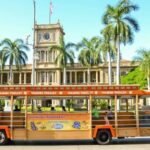
Hop on and let Honolulu come to you. This Waikiki Trolley Hop-On Hop-Off setup is built for visitors who want a flexible plan without dealing with traffic or parking stress, with routes that fan out across Waikiki and key sights around Oahu’s south shore. You choose your line, then ride a double-decker bus or open-air trolley with unlimited use for 1, 4, or 7 days.
What I like most is the freedom: you can shape your own day, stay onboard for the views through downtown and Chinatown, or hop off for a specific stop. I also love how the on-board commentary can turn a simple ride into a quick orientation—especially when the driver leans into local stories and humor. The main drawback to think about is practical timing: in peak hours, you may face crowding and longer waits than the promise of frequent departures.
In This Review
- Key things to know before you ride
- Starting at Waikiki Shopping Plaza: Where the trolley day begins
- How the hop-on hop-off pass works (and why it’s worth it)
- Blue Line sights: Diamond Head, ocean views, and the Waikiki-to-eastside rhythm
- Duke Paoa Kahanamoku Statue
- Honolulu Zoo
- Waikiki Aquarium
- Kahala Mall
- Halona Blow Hole
- Sea Life Park
- Koko Marina Center
- Diamond Head Market & Grill, Aloha Pineapple Cafe’, Rainbow Drive-In, Local Foods stop
- Stop repeats like Kahala Mall
- Red Line sights: Chinatown and downtown Honolulu without getting lost
- Honolulu Museum of Art (HoMA)
- Hawaii State Capitol and Iolani Palace
- Punchbowl Crater and National Memorial Cemetery of the Pacific
- Foster Botanical Garden
- Izumo Taishakyo Mission of Hawaii and Royal Kitchen
- Chinatown and Downtown Honolulu & Hawaii Theatre
- King Kamehameha Statue
- Aloha Tower Marketplace and Honolulu Harbor
- SALT at Our Kaka’ako and Ward Centre
- Ala Moana Regional Park
- The Kahala and blowhole-style route: Stops that feel like a different Honolulu
- Waikiki-to-Ala Moana style loops: Hotels, shopping centers, and easy transfers
- Hilton Waikiki Beach Resort & Spa and Courtyard by Marriott Waikiki Beach
- Waikiki Aquarium-area style stops (where applicable)
- Marugame Udon and other food stops
- Ala Moana Center (ocean side) and Ward Centre
- Hale Koa Hotel and Ka La’i Waikiki Beach
- Ilikai Hotel & Luxury Suites, plus Ilikai bus stop location cues
- KCC Farmers’ Market (Saturdays only)
- On-board narration: When drivers turn transit into a mini orientation
- Timing and crowds: The real-world stuff you should plan for
- Value check: Is $22 a good deal for your Honolulu style?
- Practical rules that affect your day (and help you avoid irritation)
- Who this trolley tour fits best (and who should be cautious)
- Should you book the Waikiki Trolley Hop-On Hop-Off Tour?
- FAQ
- How long is the Waikiki Trolley Hop-On Hop-Off tour?
- How much does the tour cost?
- Where do I redeem my ticket?
- Do I get hotel pickup or drop-off?
- Are admissions to attractions included?
- Can I choose a one-day, four-day, or seven-day pass?
- Is the tour offered in English?
- Are food and drinks allowed onboard?
- What are the baggage rules?
- Is this experience refundable or changeable?
Key things to know before you ride
- Pick your line, then ride as much as you want on a 1-, 4-, or 7-day pass
- Blue Line = Diamond Head–focused views, with popular stops along the way
- Red Line = downtown and Chinatown access, ideal for first-time navigation
- All-line tickets can be handy, but switching lines can add backtracking time
- Plan for peak-season crowding and don’t expect every wait to be perfect
- Some big attractions still need separate admission, like zoo, aquarium, and other venues
Starting at Waikiki Shopping Plaza: Where the trolley day begins
The whole tour is anchored at a single easy-to-find meeting spot: 320 Royal Hawaiian Ave, across Waikiki Shopping Plaza. That matters because hop-on hop-off only works if you can get back on confidently. If you’re using the pass over multiple days, I recommend you do a quick “find it once” moment at pickup, then you’ll feel relaxed the rest of the trip.
Your pass is valid for whatever colored line(s) you buy (a single line, or an all-lines option). You can start at any stop along your chosen line, so you’re not locked into one exact departure point. That’s a real benefit on Oahu, where “one more bus” can turn into “where did the day go?”
One more practical note: this isn’t a snack cruise. Food, drinks, and smoking aren’t allowed onboard, and the rules also require shirts/cover-ups and footwear. There are also baggage limits—up to 24″ x 18″ x 12″—and you store it on your lap. If you’re traveling light, that’s easy. If you’re bringing a lot of stuff, think like you’re on a commuter vehicle, not a roomy coach.
Hop the trolley and passes around town
- Waikiki Trolley Blue Line Coastline & Local Grindz Hop-on Hop-off★ 5.0 · 4,159 reviews
- Waikiki Trolley Red Line Heroes & Legends Hop-on Hop-off Tour★ 5.0 · 2,120 reviews
- Oahu: Waikiki Trolley Hop-on Hop-off All-Line Pass★ 4.4 · 810 reviews
- Waikiki Trolley Green Line Diamond Head Shuttle★ 5.0 · 606 reviews
How the hop-on hop-off pass works (and why it’s worth it)
The tour runs on a simple promise: you can ride, get off, and then return to your route without buying a new ticket each time. The overall “tour ride” time is listed at about 2 hours, which is roughly the full circuit feel. But your value comes from taking that loop and stretching it across your own pace for 1, 4, or 7 days.
This is especially useful when you’re mixing sightseeing with real-life schedules: beach time, a museum stop, a grocery run, or just a need to get out of the heat and into some shade. You can stay onboard for the long scenic sections, then hop off when something catches your eye—like a landmark, a viewpoint stop, or an attraction you want to try.
Also, the big picture benefit: you’re not paying for a car for short hops. Even if you end up renting a vehicle later, the trolley can serve as your quick “map in motion.” It helps you decide where you actually want to spend longer once you’ve seen the distances firsthand.
Blue Line sights: Diamond Head, ocean views, and the Waikiki-to-eastside rhythm
You already know the Blue Line association: it’s the option built around Diamond Head and the scenic east side. Expect stops that balance big-name landmarks with classic family-friendly Waikiki-adjacent attractions.
Here’s how the major stops shape the experience:
Duke Paoa Kahanamoku Statue
This is a great early “start your bearings” stop. It’s closely tied to Waikiki’s surf heritage, and it’s a natural checkpoint when you’re trying to orient yourself near the water.
- Waikiki Trolley Blue Line Coastline & Local Grindz Hop-on Hop-off
★ 5.0 · 4,159 reviews - Oahu Circle Island Tour with Waimea Waterfall
★ 5.0 · 3,912 reviews - Oahu’s North Shore: 8-Line Zipline Adventure
★ 5.0 · 3,616 reviews - Hidden Gems of Oahu Circle Island Tour with Byodo In Temple
★ 5.0 · 3,450 reviews - Toa Luau at Waimea Valley, Oahu
★ 5.0 · 3,350 reviews
Honolulu Zoo
If you hop off here, you’re choosing a full-on attraction. The zoo isn’t included in the pass—you’ll need separate admission—but the stop is still useful. Even if you only do a quick look around the area, it can help you plan a longer day later.
Waikiki Aquarium
Same idea as the zoo: a real destination, not just a photo pull-off. You’ll want to budget time if you plan to go inside, because admissions aren’t included.
Kahala Mall
This stop is practical. When you want a break from tourist-only spots, Kahala Mall can work as an easy way to handle errands and grab something to eat. It’s also handy if you’re trying to shift from beach sightseeing to something more local.
Halona Blow Hole
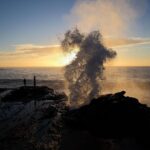
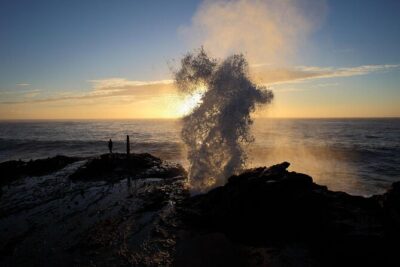
This is one of those stops that can make the trolley feel worth it by itself. Even if you don’t spend long, it’s a strong “Oahu roadside drama” moment. As always with sights like this, you’ll want to check what you can access easily at ground level versus deeper walking or separate entry.
Sea Life Park
Another full attraction stop, again with admission not included. If you’re into marine life shows or animal encounters, this is where you’d build a longer chunk of time.
Koko Marina Center
This helps keep the ride from feeling like only “big-ticket stops.” You can use it as a “pause point” and regroup, especially if you’ve been hopping around.
Diamond Head Market & Grill, Aloha Pineapple Cafe’, Rainbow Drive-In, Local Foods stop
These are the stops that make the trolley act like a flexible day plan, not just transportation. Food options along the route mean you’re less dependent on guessing what’s nearby when you’re hungry. Still, remember: the pass doesn’t cover meals—bring your appetite, not your wallet-proofing.
Stop repeats like Kahala Mall
You’ll notice the same stop can show up more than once depending on your direction. That’s not a mistake—it’s how these routes work when they loop through neighborhoods. It makes reboarding easier because you’re not hunting a totally new location.
Red Line sights: Chinatown and downtown Honolulu without getting lost
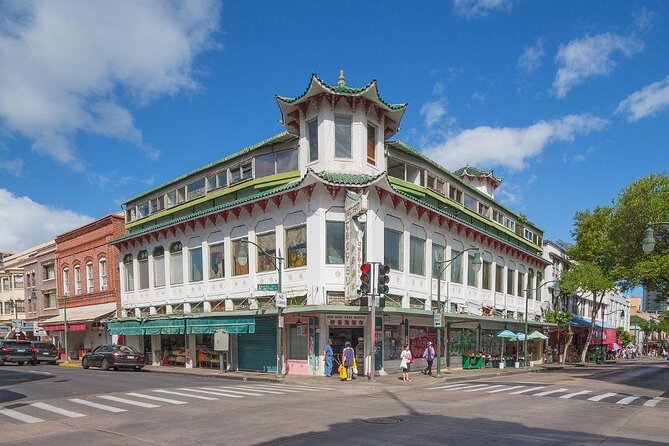
The Red Line’s mission is clear: it’s designed for Chinatown and downtown Honolulu. If your first priority is city energy and history stops, this is the line that makes your day feel organized.
Here’s what the downtown section offers:
Honolulu Museum of Art (HoMA)
A great “culture stop,” with one practical catch: it’s closed Mondays–Wednesdays. If you’re on those days, plan around it. If you’re not, it’s a strong candidate for a timed museum visit rather than a quick photo.
Hawaii State Capitol and Iolani Palace
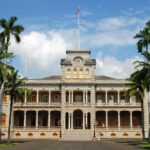
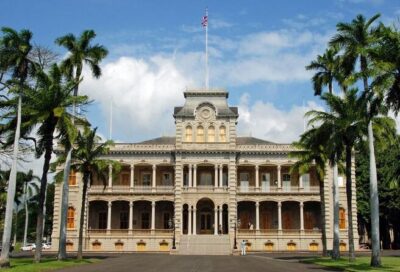
These are big landmarks. Even if you don’t go inside, the area gives you instant context for the island’s political and royal story. If you do plan on interior visits, you’ll need to work admissions into your schedule since they’re not included.
Punchbowl Crater and National Memorial Cemetery of the Pacific
This is a solemn, powerful stop area. It’s the kind of place where you’ll want calm time instead of rushing. It also pairs well with a “history day” on the same line.
Foster Botanical Garden
If you want a break from streets and buildings, this stop brings greenery into the plan. It’s also a nice contrast after something more formal like the memorial sites.
Izumo Taishakyo Mission of Hawaii and Royal Kitchen
This is one of those “stop by for a look” clusters. Even if you don’t go far, the area can help your day feel less like a theme park and more like actual neighborhoods.
Chinatown and Downtown Honolulu & Hawaii Theatre
This is the big payoff, especially if you want the sights, food energy, and people-watching. The pass gives you the freedom to hop off and then decide if you want longer time or a quick look. Keep your pickup strategy in mind—when you’re ready to leave, you need a clear reboarding spot.
King Kamehameha Statue
A strong landmark stop for an easy photo and a quick orientation point back toward the rest of the downtown area.
Aloha Tower Marketplace and Honolulu Harbor
This is where the city and the coast meet. The stop is useful for waterfront strolling and for building in a snack break between more structured attractions.
SALT at Our Kaka’ako and Ward Centre
These stops are for modern shopping and street-level activity around Kaka’ako. Use them when you want a “walkable in chunks” day, not just jumping from one paid attraction to the next.
Ala Moana Regional Park
This one fits best when you want breathing room. It’s a natural bridge between sightseeing and relaxing, especially if you’ve been moving nonstop.
The Kahala and blowhole-style route: Stops that feel like a different Honolulu
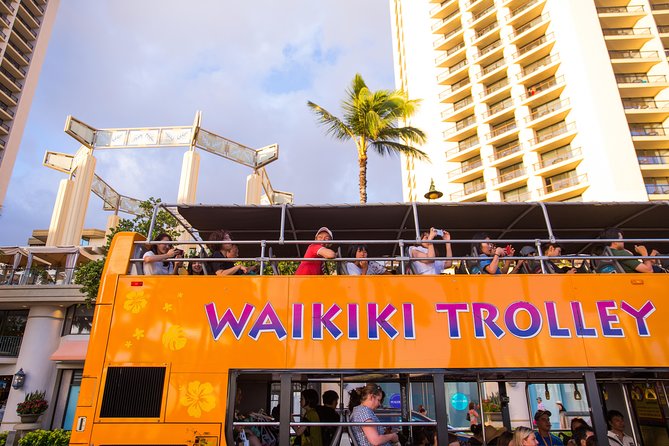
One of the most fun things about this trolley system is that it can take you beyond the classic Waikiki strip. If your chosen line includes Kahala-area stops and the Halona Blow Hole, you’ll get a more “local geography” feel—ocean views and residential-to-sightseeing transitions instead of only hotel towers.
You’ve also got a cluster of aquarium/park energy with Sea Life Park and a food-and-errand blend with Kahala Mall and nearby dining stops. This is the line type that works well when you’re tired of the same strip but still want to keep moving with minimal effort.
Two realistic notes:
- Admissions aren’t included, so if you plan zoo/aquarium/Sea Life Park, budget for separate tickets.
- Some of these stops involve time outside waiting for the next departure, so don’t stack a “long entry” attraction with a “tight back-on-board” schedule. Give yourself buffer.
Waikiki-to-Ala Moana style loops: Hotels, shopping centers, and easy transfers
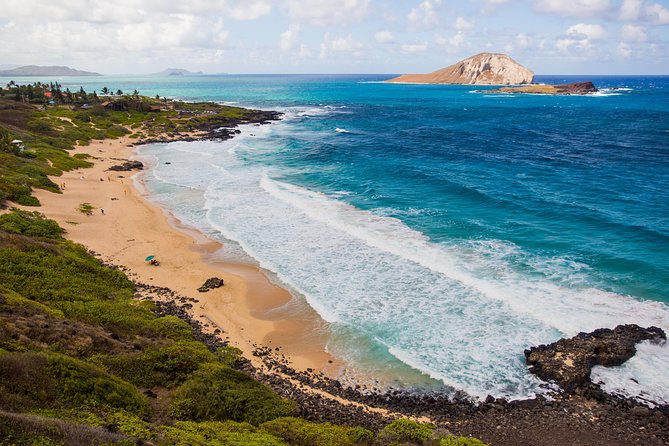
Another route pattern you’ll see includes lots of hotel-area stops plus shopping centers and beach-adjacent points. This is the line type that helps you avoid the classic problem on Oahu: your hotel is in one zone, your “must see” is in another, and bus transfers take time.
From the stop list, you’ll spot a few key anchors:
Hilton Waikiki Beach Resort & Spa and Courtyard by Marriott Waikiki Beach
These stops matter because they’re common reference points. If you’re staying somewhere in Waikiki, hopping on near a major resort gives you an easy mental landmark.
Waikiki Aquarium-area style stops (where applicable)
Depending on the direction/line, you’ll get access to family attractions and waterfront-adjacent locations. That helps you plan a day that mixes “see something” with “cool down somewhere.”
Marugame Udon and other food stops
Food stops along the route are a quiet but real convenience. They let you time meals without betting your day on one specific restaurant location.
Ala Moana Center (ocean side) and Ward Centre
Ala Moana is a natural place to break the day into pieces. You can use it for shopping, snacks, and a reset before hopping back on for sightseeing.
Hale Koa Hotel and Ka La’i Waikiki Beach
If your travel includes beach time but you also want easy return options, these hotel stops give you that. They’re also useful if you’re trying to cut walking distances after a long day outside.
Ilikai Hotel & Luxury Suites, plus Ilikai bus stop location cues
The tour includes a specific bus stop reference here, which is a helpful detail if you’re trying to align trolley boarding with local transit patterns.
KCC Farmers’ Market (Saturdays only)
This is a key day-of-week tip: this stop is listed with a Saturdays only schedule. If your trip lands on a Saturday, it can turn your trolley ride into a full-on market morning. If not, it’s still a stop, just not the market event.
On-board narration: When drivers turn transit into a mini orientation
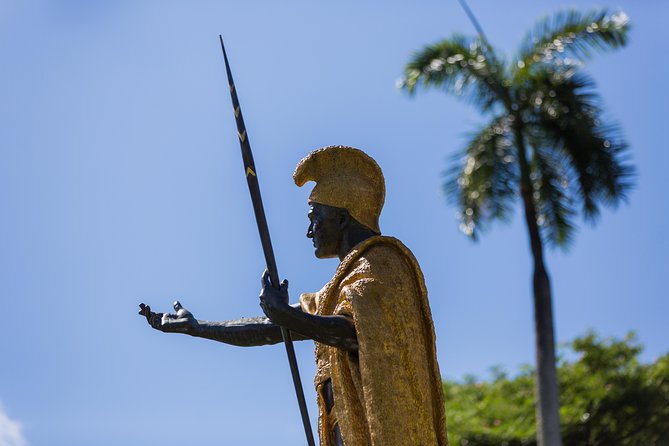
A trolley ride can be quiet. This one usually isn’t. Strong on-board storytelling is a major reason people rate this highly.
In the names that show up with praise, you’ll see drivers like Tyler and Tim, plus Sam, Oli, Carl, and Tony called out for being informative and fun. That kind of energy changes what you remember. Instead of just seeing Diamond Head or passing Chinatown, you get quick context you can use later while you explore on foot.
Still, even with good narration, remember the rules: no standing in stairwells while the vehicle is in motion, no food/drink, and keep baggage stored properly. If you want photos, aim for the moments when the trolley is stopped, not while it’s moving.
Timing and crowds: The real-world stuff you should plan for
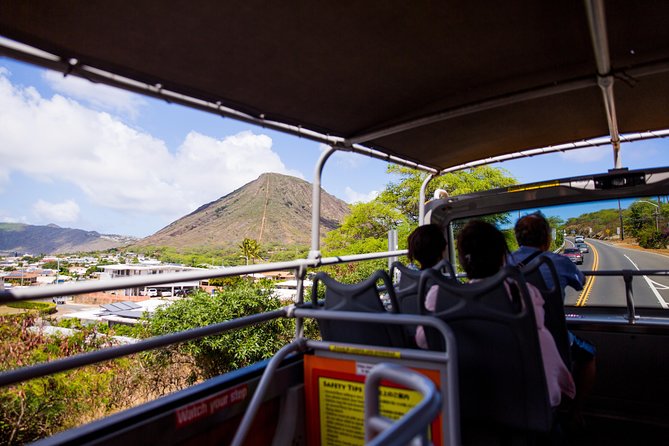
This is where you can either have a smooth day or a frustrating one.
The tour advertises frequent service (one note says about every 40 minutes on a Blue Line run), but real life includes traffic and peak-season pressure. Some people experience long waits and late departures, and during busy periods the vehicle can become standing room only.
So here’s my practical advice:
- If you care about getting a seat, start early.
- Don’t stack a must-do attraction right after an uncertain boarding time. Build slack.
- If you’re using an all-line pass, you might spend extra time backtracking to switch lines. That can be fine if you’re patient, but it’s less ideal if your schedule is tight.
Also: yes, one stop can feel rougher than the next. For example, Chinatown is listed as part of the Red Line route, and it’s a place with a range of conditions street to street. The trolley gives you the control to stay briefly or linger, but still be ready for a more mixed environment than the glossy hotel zones.
Value check: Is $22 a good deal for your Honolulu style?
At $22 per person, this trolley pass can be a very good value if you use it as it’s meant to be used: multiple stops, multiple days, and a mix of “ride plus explore” rather than treating it like a single quick loop.
The strongest value angle is this: it reduces the cost and stress of getting around while you figure out where you want to invest time. Parking and driving costs add up fast in Waikiki, and the time cost can be bigger than you expect. A hop-on hop-off pass keeps you mobile without committing to one neighborhood all day.
It’s also a solid budget play if your group includes different energy levels. One person wants zoo/aquarium time. Another wants shopping. You’re all moving on the same system.
But it’s not perfect value if you mostly plan to stay within walking distance of one hotel. If you’re not going to hop off often, you might be better off with a simpler plan like local transit or rideshare for specific trips.
Practical rules that affect your day (and help you avoid irritation)
Small rules can matter when you’re tired and on the move. Here’s what you should remember so you don’t get surprised:
- Shirts/cover-ups and footwear are required.
- Food, drinks, and smoking aren’t allowed onboard.
- Baggage must fit within the stated limit and be stored on your lap.
- Foldable strollers and boogie boards can’t protrude into other passengers’ space.
- Service animals are allowed.
- Keep an eye on boarding behavior: avoid blocking aisles, and don’t linger in stairwells while moving.
These rules usually aren’t a big deal—until you’re carrying beach gear or traveling with kids. If you’re traveling with a lot of equipment, travel light if you can.
Who this trolley tour fits best (and who should be cautious)
This tour is a great match if you:
- want a simple way to cover Diamond Head, downtown, and Chinatown without renting a car
- like to plan loosely and decide on the fly
- want a “first-time orientation” while you learn Honolulu geography fast
- are traveling with mixed interests and need a common transport backbone
It’s less ideal if you:
- hate waiting and want pinpoint timing
- can’t handle crowded vehicles during peak periods
- want only one or two stops total
- assume the pass covers admissions at zoos/aquariums and other paid attractions
Should you book the Waikiki Trolley Hop-On Hop-Off Tour?
If you’re arriving in Honolulu with big priorities like Diamond Head and Chinatown, and you want freedom to explore at your own pace, I think this is a strong buy. The pass price is low enough that it can act like a transport “utility bill,” letting you spend your energy on what you actually want to see.
Just go in with eyes open. Expect crowds on busy runs, bring patience for wait times, and budget separately for admission-heavy stops like the zoo and aquarium. If you do that, this trolley can turn a complicated day of moving around Honolulu into a much easier one.
FAQ
How long is the Waikiki Trolley Hop-On Hop-Off tour?
The tour duration is listed as approximately 2 hours.
How much does the tour cost?
The price is $22.00 per person.
Where do I redeem my ticket?
You redeem your ticket at 320 Royal Hawaiian Ave, Honolulu, HI 96815 (across Waikiki Shopping Plaza).
Do I get hotel pickup or drop-off?
No. Hotel pickup and drop-off are not included.
Are admissions to attractions included?
No. Admissions are not included.
Can I choose a one-day, four-day, or seven-day pass?
Yes. Passes are available for one, four, or seven days.
Is the tour offered in English?
Yes, it is offered in English.
Are food and drinks allowed onboard?
No. Food and drinks (and smoking) are not allowed onboard.
What are the baggage rules?
The maximum baggage allowance is 24″ x 18″ x 12″, and it must be stored on your lap.
Is this experience refundable or changeable?
This experience is non-refundable and cannot be changed for any reason.
More Tours in Oahu



More Tour Reviews in Oahu

Around Town on the Trolley


Just Reviewed: More Oahu Tours

Trolley & Sightseeing Passes, compared.
 ★ 5.0Waikiki Trolley Blue Line Coastline & Local Grindz Hop-on Hop-offFrom $354,159 reviews
 ★ 5.0Waikiki Trolley Red Line Heroes & Legends Hop-on Hop-off TourFrom $352,120 reviews
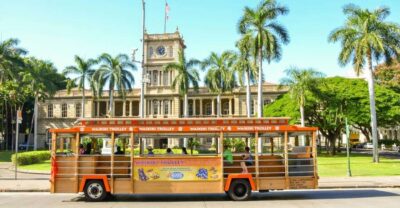 ★ 4.4Waikiki Trolley Hop-on Hop-off All-Line PassFrom $62810 reviews
 ★ 5.0Waikiki Trolley Green Line Diamond Head ShuttleFrom $22606 reviews
 ★ 4.0Go City: Oahu All-Inclusive Pass with over 45 Things To DoFrom $214314 reviews
 ★ 5.0Waikiki Turtle Snorkeling Tour with Complimentary Trolley RideFrom $10086 reviews
 ★ 4.5Hawaii: Oahu Attraction Pass with Top-Rated LuauFrom $19282 reviews
 ★ 4.01 Day Pass LeaLea Trolley and Waikiki Trolley Pink LineFrom $359 reviews
Where else this tour ranks