
Reviewed · WAIKIKI SURF LESSONS
Surfing Lessons On Waikiki Beach
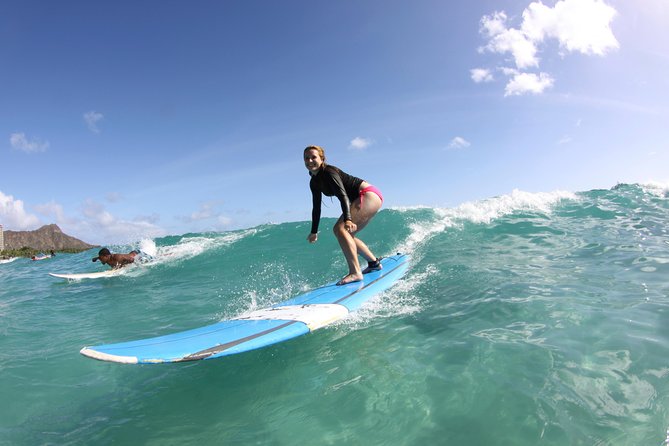
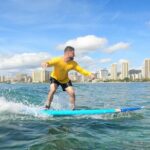
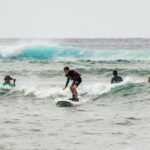
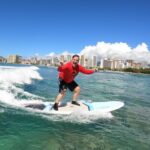
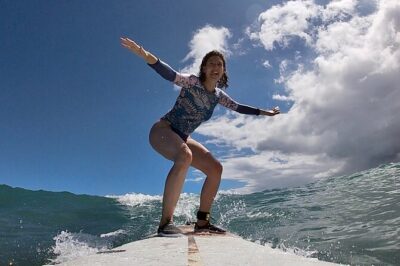
First wave fear turns into first wave grin. This Waikiki surf lesson is built for beginners, with hands-on coaching, a short fundamentals talk, and low-stress water conditions along Oahu’s south-facing beach. You’ll check in near Waikiki Beach Walk, grab your board and leash, and head out with an instructor focused on getting you standing and riding in manageable waves.
I especially like the small-group setup (up to five), because it means you’re not just listening from the shore—you get closer attention when your takeoff needs fixing. I also like that your core gear is handled for you: surfboard and leash, plus locker access, so you can show up without hauling equipment.
One consideration: you must be able to swim, and conditions at Waikiki can be busy. If you’re very nervous about open water, this is the kind of lesson where you’ll want to follow the instructor’s plan closely and speak up fast if something feels off.
In This Review
- Key things to know before you go
- Where the lesson starts: Big Wave Dave Surf & Coffee in Waikiki
- The 90-minute flow: how the lesson is paced
- Beach fundamentals (about 20 minutes): safety, paddling, and first control
- Waikiki’s beginner waves: why the south-facing coast helps
- Coaching in the water: standing up, one wave at a time
- Equipment and extra costs: what’s included and what you might pay for
- Price and value: is $129 fair for Waikiki surfing?
- For whom this lesson works best (and who should plan differently)
- Waikiki reality check: timing, waves, and busy-day stress
- Quick decision guide: should you book this Waikiki surf lesson?
- FAQ
- FAQ
- What’s included in the Waikiki surf lesson?
- How long is the lesson?
- Where do I meet for the lesson?
- Do I need to bring surf equipment?
- Is a rash guard required?
- Do I have to know how to swim?
- What’s the cancellation window?
Key things to know before you go
- Max five-person coaching for more time to practice, not just watch
- 20-minute on-land fundamentals before you ever hit the water
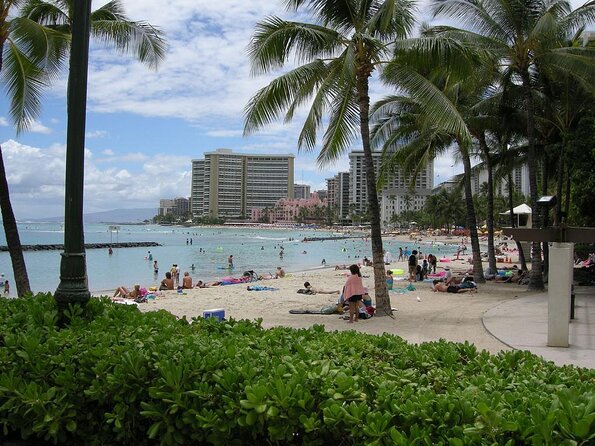
- Beginner-friendly water on Waikiki’s south-facing coast with shallow, sandy bottom areas
- Gear and locker included, so you only need to focus on the waves
- Rash guard and extra locks cost extra, but you can bring your own
Where the lesson starts: Big Wave Dave Surf & Coffee in Waikiki
Your lesson kicks off at Big Wave Dave Surf & Coffee at 226 Lewers St #154, Honolulu. The shop is easy to reach from Waikiki, and it’s set up for quick check-in rather than a long waiting game. I recommend arriving about 20 minutes early so you can get settled, use the locker, and avoid the mad scramble right before you’re called to head out.
After you check in, you’ll use the locker provided to store your stuff. Then you’ll pick up what matters most: your included surfboard and leash. This matters more than people expect. Waikiki’s a “do everything at once” place—walkways, towels, sunscreen, phone chargers, and timing. Having the gear and storage handled means you start the lesson with a clear head.
Also, this is taught in English, and you’ll get a mobile ticket. If you’re juggling a packed day, that’s a plus: you don’t need to print anything, and you can usually slot it in without too much hassle.
Catch the gentle Waikiki rollers, more lessons
- Open Group Surfing Lesson in Waikiki, Hawaii★ 4.5 · 582 reviews
- Oahu: Beginner-Friendly Waikiki Beach Surfing Lesson★ 4.9 · 425 reviews
- Surfing Lessons On Waikiki Beach★ 4.5 · 317 reviews
- Waikiki Private Group Surf Lesson★ 5.0 · 298 reviews
The 90-minute flow: how the lesson is paced
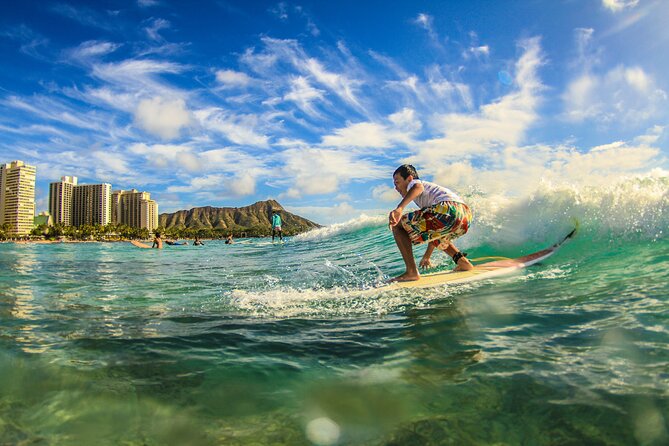
This is an approx. 1 hour 30 minutes experience, designed as a true beginner progression. The structure is simple: quick safety and technique on land, then coaching in the water where you actually practice standing and turning.
The timing is smart. You’re not thrown into the ocean with zero preparation. First, you’ll learn the basics on the beach—paddling mechanics, surfboard handling, and what to do around waves. Then you’ll move into the key goal: getting up. You’ll stay out with the instructor nearby for guidance, not just a vague “good luck, hope you survive.”
At the end, the session finishes back at the meeting point, so you don’t have to figure out how to get yourself home while sandy, wet, and mildly windblown. For a Waikiki afternoon (or morning), that kind of clean wrap-up is real value.
Beach fundamentals (about 20 minutes): safety, paddling, and first control
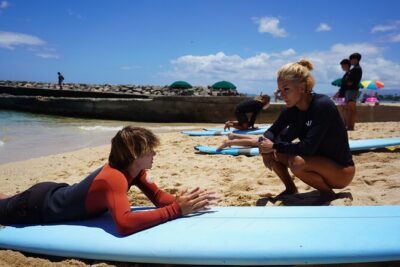
The lesson begins near Waikiki’s shore with an instructor-led on-land session—around 20 minutes. This isn’t a long lecture. It’s focused, practical stuff that helps you stop guessing and start doing.
Here’s what you can expect from that beach time:
- Water safety etiquette so you know where to move and when to listen
- Paddling technique to build speed without exhausting yourself
- Surfboard maneuvering so the board isn’t just a slippery mystery under your feet
- Wave handling practices so you understand what the next set is doing
Why this matters: beginners often waste energy fighting the board instead of positioning for the wave. A good on-land reset fixes that. It also helps you avoid the common beginner panic spiral—when your mind locks up and your body stops doing the basics.
The beach stage also sets the tone. If you’re a little apprehensive, this part gives you a plan. You’ll know what “go time” looks like, and that cuts stress before you hit the water.
Waikiki’s beginner waves: why the south-facing coast helps
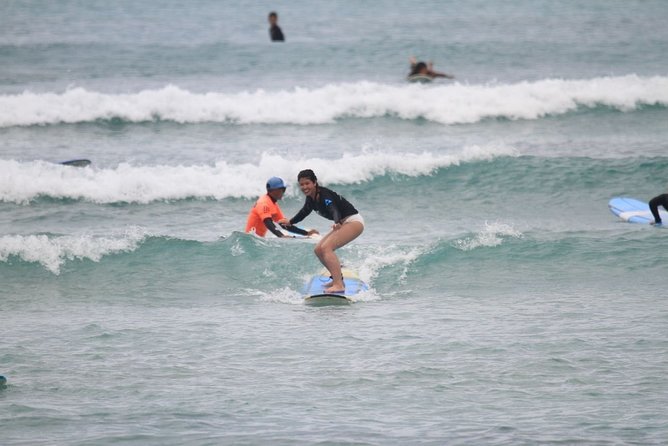
Waikiki’s south-facing coast is a major reason this lesson works for first-timers. The conditions described for beginners include a soft, sandy bottom and shallow water. That combo is what makes wipeouts less dramatic and practice more consistent.
You’re still in the ocean, so it’s not a kiddie pool. But shallow, sandy footing areas give you room to recover, reset, and try again without feeling like every mistake means a long swim. And sandy bottoms usually mean less stress about the board tangling around sharp stuff.
One more practical tip you’ll hear locally: wave size can vary through the day. An experienced style of advice from instructors in this area is to look at tides—morning can mean higher tides, while afternoon can offer smaller waves. If you’re nervous, ask when you should schedule to match your comfort level.
Try your hand at something island-made
- Open Group Surfing Lesson in Waikiki, Hawaii
★ 4.5 · 582 reviews - Oahu: Beginner-Friendly Waikiki Beach Surfing Lesson
★ 4.9 · 425 reviews - Surfing Lessons On Waikiki Beach
★ 4.5 · 317 reviews - Waikiki Private Group Surf Lesson
★ 5.0 · 298 reviews - Surf Lessons on the North Shore of Oahu
★ 5.0 · 267 reviews
Coaching in the water: standing up, one wave at a time
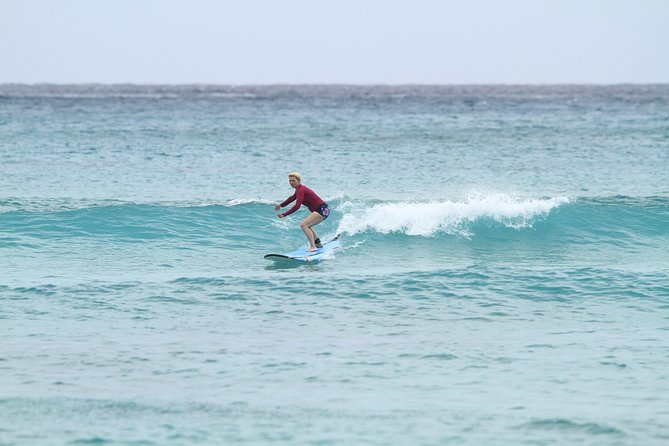
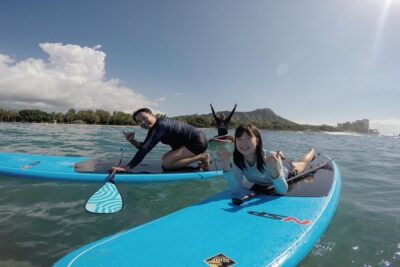
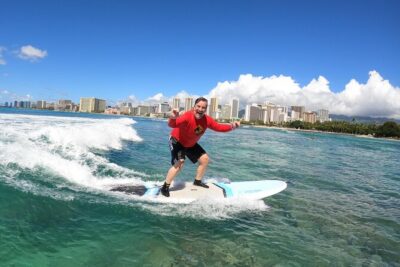
Once you’re out in the water, the lesson shifts from learning to doing. The goal becomes clear: stand up and catch your first Waikiki waves with your instructor beside you. In a small group, you’re not stuck waiting for your turn while someone else gets all the coaching attention.
This is where the max group size matters. If you’re in a class that really keeps to five travelers, you’re more likely to get individual corrections—how to shift weight, how to position knees, how to paddle with intention, and what to do when a wave lifts you but doesn’t magically throw you into a perfect ride.
A couple real-world concerns to keep in mind:
- Waikiki can be busy. You might deal with boat traffic or a crowded lineup depending on the day.
- Your instructor needs clear volume and timing to be heard over waves. If you struggle to hear directions, speak up and ask for repetition or simpler cues.
When it goes well, the feeling is simple: you try, fail, adjust, and then suddenly the board cooperates. That is the lesson’s best promise. You leave with a skill you can practice—not just a souvenir photo.
Equipment and extra costs: what’s included and what you might pay for
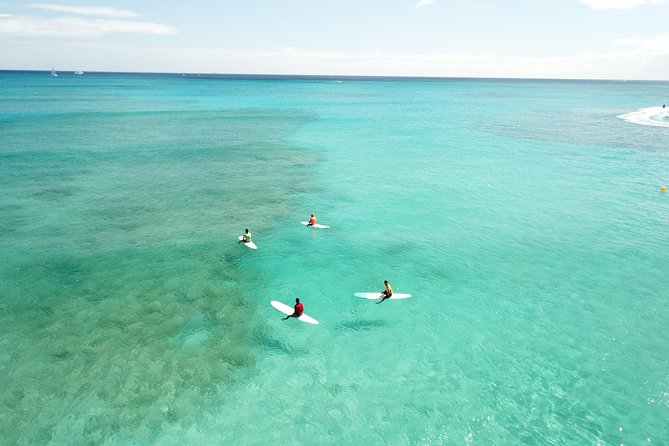
The lesson includes the big-ticket items:
- Surfboard
- Leash
- Professional instructor
- Locker use to store your belongings securely
That’s already a big cost reducer. A lot of surf experiences nickel-and-dime you for basics. Here, your core gear is handled so you can spend your energy on learning.
What’s not included:
- Photography (available with advance reservations)
- Rash guard rental for $5
- Optional lock rental for $5 or you can bring your own
Here’s the practical part: if you’re going to rent, plan ahead. A rash guard can help you feel better in the water and avoid chafing from board friction. If you already own one, bring it. If not, the $5 rental is straightforward.
Also think about what you bring to the ocean itself. Even though the board and leash are supplied, you still need to be ready for getting sandy and wet. Simple, secure stuff for your phone and wallet matters.
Price and value: is $129 fair for Waikiki surfing?
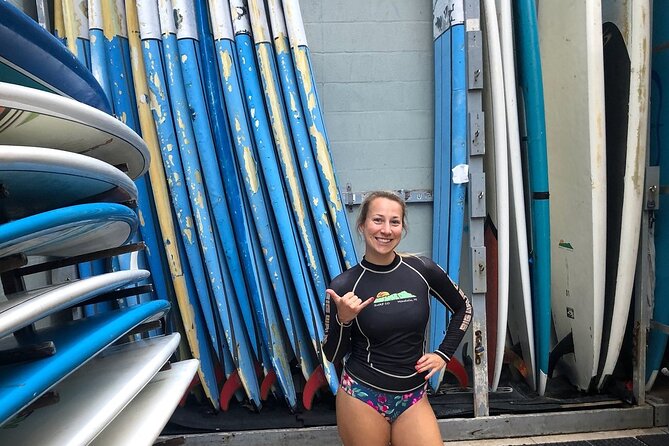
At $129 per person, you’re paying for a beginner-friendly setup, instructor time, and the included gear. That price can feel steep if you compare it to a “we’ll push you in and see what happens” style. But this is not that. The structure includes safety coaching, a technique-focused on-land start, and hands-on instruction in the water.
Value here depends on one thing: whether the instructor attention stays consistent. When you get the intended small group dynamic, the lesson becomes worth it fast. You’re practicing the same core actions repeatedly—paddle, pop up, balance—rather than spending most of your session waiting.
It also helps that the learning area is tuned for beginners. Shallow, sandy-bottom conditions are not accidental. They reduce risk and increase chances you’ll stand up.
If you only need a one-time photo moment, you might feel disappointed. If you want actual skill and confidence, the price is easier to justify—especially for your first surfing experience in Hawaii.
For whom this lesson works best (and who should plan differently)
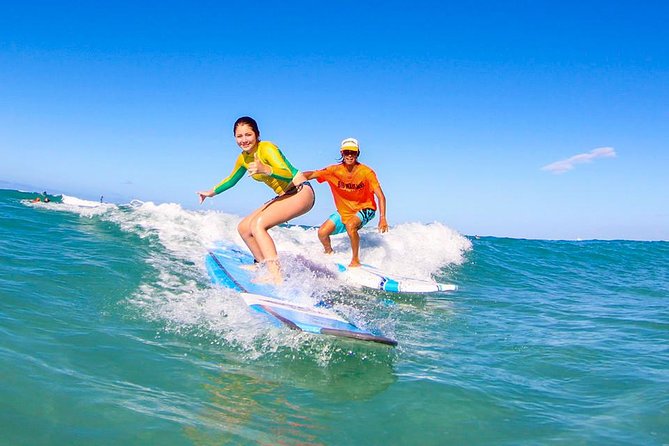
This experience is best for people who want a guided start and are willing to work physically. It asks for moderate physical fitness and it requires you must be able to swim. If you can swim and you’re comfortable learning in open water with an instructor near you, you’re a good match.
It’s also ideal if you:
- want a structured introduction rather than random attempts
- like hands-on coaching with a small group
- are visiting Waikiki and want a straightforward ocean activity without complicated logistics
If you’re extremely risk-averse or you panic in open water, take a careful look. This lesson may still be doable, but your experience will depend heavily on how clearly the instructor can guide you and how well you can follow safety cues.
Waikiki reality check: timing, waves, and busy-day stress
Waikiki is popular. That means you can have good learning conditions one moment and chaos the next, depending on crowd levels and water activity. Some classes can feel stressed by boat traffic near launch areas, or by a busy beach setup that affects where you enter the water.
That’s not necessarily the instructor’s fault. Ocean lessons are affected by the real world: currents, wind, and how many other groups show up. What you can control is how you prepare.
My advice:
- Arrive early so you’re not rushed during setup
- Wear a rash guard if you’re prone to chafing
- If you’re hard to hear, communicate early so cues work for you
- If you get tired, tell someone. Surfing is a workout, and quitting early can be safer than pushing through panic
When conditions match the beginner plan—gentler, shallow water, clear instruction—this can be a smooth “first waves” experience. When conditions are rougher or the area is crowded, your session quality can swing.
Quick decision guide: should you book this Waikiki surf lesson?
I’d book it if this is your first surf lesson and you want a real beginner path: short beach fundamentals, small-group coaching, and included gear right in the Waikiki zone. The max-five structure and the beginner water setup make it a sensible choice for learning without dragging equipment around.
I’d think twice if you’re not a confident swimmer, if you dislike busy beach environments, or if you only care about a single photo and not about building skill. At $129, you’re paying for instruction quality, and your best experience happens when coaching is audible, consistent, and responsive.
If you want the best odds of a great day, pick a time aligned with your comfort level—morning can mean higher tides, while afternoon can mean smaller waves.
FAQ
FAQ
What’s included in the Waikiki surf lesson?
Your price includes the surfboard and leash, a professional instructor, and locker use to store your belongings.
How long is the lesson?
The lesson is listed as about 1 hour 30 minutes.
Where do I meet for the lesson?
You meet at Big Wave Dave Surf & Coffee, 226 Lewers St #154, Honolulu, HI 96815. The activity ends back at the meeting point.
Do I need to bring surf equipment?
No. Surfboard and leash are provided. You may want to consider bringing your own rash guard or using the rental option.
Is a rash guard required?
A rash guard is not stated as required, but it is available for $5 rental if you want one. An optional lock rental is $5 if you don’t bring your own.
Do I have to know how to swim?
Yes. The lesson requires that you can swim, and it’s suggested you have a moderate physical fitness level.
What’s the cancellation window?
You can cancel for a full refund up to 24 hours before the experience starts. If you cancel less than 24 hours before, the amount paid is not refunded.
Make Something Island-Made


More Tour Reviews in Oahu





Learn to Surf at Waikiki
Just Reviewed: More Oahu Tours



Waikiki Surf Lessons, compared.
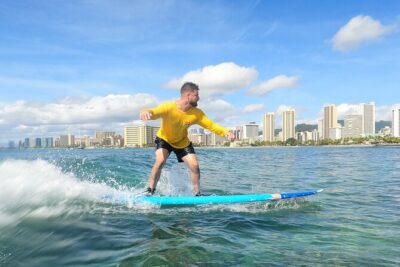 ★ 4.5Open Group Surfing Lesson in Waikiki, HawaiiFrom $112582 reviews
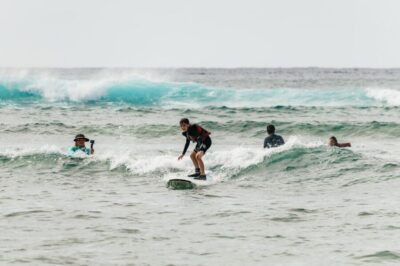 ★ 4.9Beginner-Friendly Waikiki Beach Surfing LessonFrom $125425 reviews
 ★ 5.0Waikiki Private Group Surf LessonFrom $123298 reviews
 ★ 5.0Surf Lessons on the North Shore of OahuFrom $95267 reviews
 ★ 5.0Family, Private & Group Surfing Lessons, Waikiki Courtesy ShuttleFrom $107216 reviews
 ★ 4.9Waikiki 2-Hour Beginner Group Surf LessonFrom $103191 reviews
 ★ 5.0Private Surfing Lessons in WaikikiFrom $96176 reviews
 ★ 5.0Surf Lesson Without the Crowds Including GoPRO VideosFrom $125167 reviews
Where else this tour ranks