
Reviewed · WAIKIKI SURF LESSONS
Oahu: Waikiki 2-Hour Beginner Group Surf Lesson
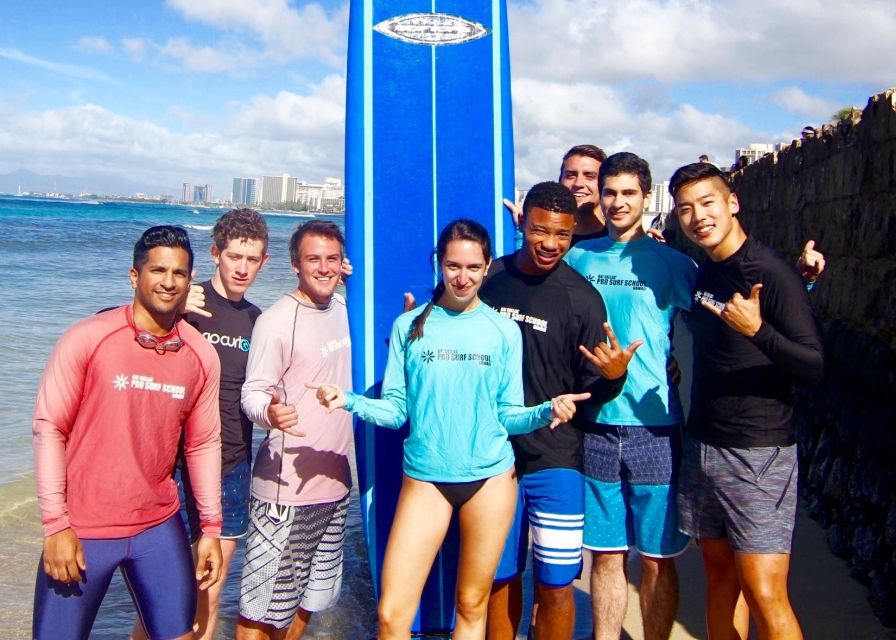
Two hours later, you might be standing. This Waikiki surf lesson is interesting because you’re not learning from someone who just tried surfing once—you’re coached by current, professional surfers who know how to translate Waikiki’s waves into beginner wins. And you’re in CPR & lifeguard-certified hands, so the focus stays on progress instead of worry.
My favorite part is the pacing: you get a quick 20-minute land lesson, then you’re back in the water riding waves for the rest of the session. The one drawback to consider is fit. This class is not suitable for pregnant women or people with mobility impairments, and kids must be 11+ for the group option.
In This Review
- Key Points You’ll Care About First
- Waikiki Surf Lessons: Why This One Works for Beginners
- The 2-Hour Flow: What Happens Before You Paddle Out
- The Location Trick: A Quieter Beginner Break Outside Waikiki
- Coaching You Can Actually Use: Pro Surfers Calling the Shots
- Safety First: CPR and Lifeguards in the Water
- Gear Included: What You’ll Get and What You Still Need
- Surf Etiquette and Wave Reading: The Stuff That Makes You Better Fast
- Price and Value: Is $103 Fair for a 2-Hour Lesson?
- Who Should Book This (and Who Should Skip It)
- A Few Practical Tips Before Your Lesson
- Should You Book This Waikiki Beginner Surf Lesson?
- FAQ
- How long is the Waikiki beginner surf lesson?
- What’s included in the lesson?
- What should I bring with me?
- What are the age requirements?
- How many people are in the group?
- Is this lesson safe for everyone?
Key Points You’ll Care About First
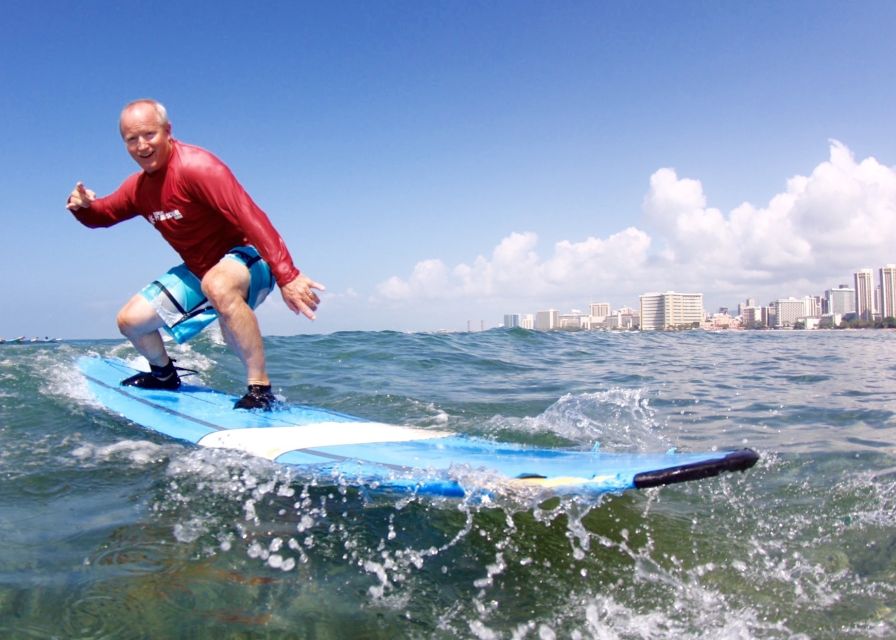
- Small group size (up to 6) means more coaching attention and faster feedback when you’re learning to pop up
- Current pro surfers teach it so you get technique cues that actually match what works on Waikiki’s breaks
- CPR & lifeguard-certified instructors keep safety front and center during every wave attempt
- 20 minutes on land, then real surf time with plenty of time to practice stance, timing, and surf etiquette
- Gear included: surfboard and leash, rashguard, and reef booties, so you can travel lighter
- Beginners welcome with a beginner-friendly spot about a mile outside Waikiki, away from the most dangerous crowds
Waikiki Surf Lessons: Why This One Works for Beginners
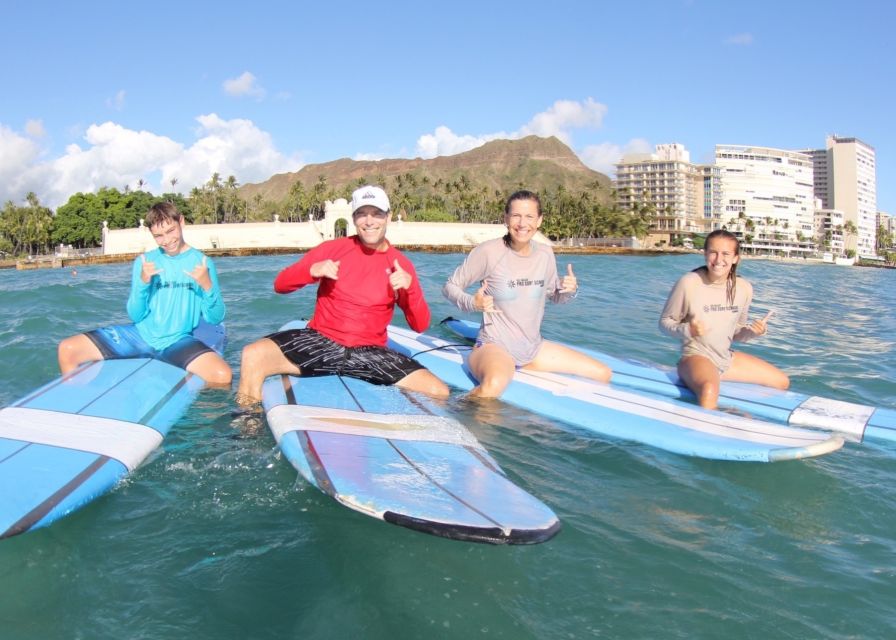
Waikiki is famous for surfing, but the best part of learning there isn’t the hype. It’s having waves that you can study, then try, then try again with guidance. That’s why this 2-hour beginner group lesson feels like a practical way to get your bearings fast.
I like that you start with technique that’s grounded in real surf—how to handle the board, where to position yourself, and what to do when waves stack up. The instruction also keeps things grounded in safety. You’re not just handed a board and pointed toward the water. You’re coached in how to move over crashing waves and how to act responsibly around other surfers (surf etiquette is part of the lesson, not an afterthought).
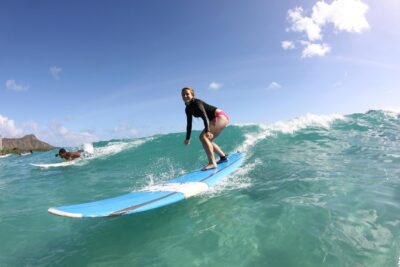
If you’re worried about whether you’ll actually stand up, the setup helps. You’re not spending most of the time watching. You’re in the group for a short land session, then you’re in the water for the bulk of the experience.
Catch the gentle Waikiki rollers, more lessons
- Open Group Surfing Lesson in Waikiki, Hawaii★ 4.5 · 582 reviews
- Oahu: Beginner-Friendly Waikiki Beach Surfing Lesson★ 4.9 · 425 reviews
- Surfing Lessons On Waikiki Beach★ 4.5 · 317 reviews
- Waikiki Private Group Surf Lesson★ 5.0 · 298 reviews
The 2-Hour Flow: What Happens Before You Paddle Out
The lesson runs for two hours, and it typically runs twice a day. It’s designed to keep energy up, too—short enough that you don’t feel drained, long enough to make noticeable progress.
Here’s the rhythm you should expect:
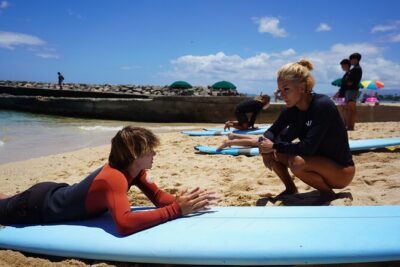
First comes a 20-minute lesson on land. This is where you learn the sport basics without getting overwhelmed. You’ll get an explanation of the materials involved in surfing (which matters more than people think, because board type changes how you balance and catch waves). You’ll also get safety techniques and an overview of how the session will work.
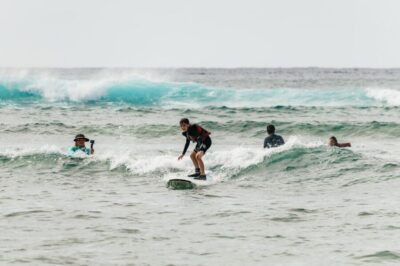
Then you move to the water and get to practice with coaching in real time. After the land instruction, the class helps you choose the right equipment for your skill level and then guides you through basics like proper surf stance. From there, it’s about timing and wave selection—standing up on beginner-appropriate opportunities and learning how to maneuver when the water gets choppy.
The goal is simple: by the end, you should be riding open waves with more confidence than you started with.
The Location Trick: A Quieter Beginner Break Outside Waikiki
One of the most useful details is where you learn. You’ll head to a beginner-friendly surf spot about one mile outside Waikiki, which helps you avoid the most intense, dangerous crowd conditions.
That distance matters. In surf, crowd density affects everything: how easy it is to find space, how often you get bumped, and how much you have to think just to stay safe. A quieter spot gives beginners a chance to practice without constantly getting pulled into high-speed chaos.
You still get the Waikiki experience—famous wave energy, Hawaiian surfing culture, the whole vibe—but with a layout that’s friendlier for first-timers.
Coaching You Can Actually Use: Pro Surfers Calling the Shots
The coaching style is a big reason this class earns top marks. The instructors are professional surfers, and they coach with patience and clear feedback. In real examples from past students, instructors like Turner, Kai, Tucker, and Noah/Noa are repeatedly described as encouraging, calm, and good at adjusting to individuals in the water.
What that looks like in practice:
- You get help turning theory (what to do) into action (what to do right then)
- You’re coached on stance and timing before you’re expected to succeed
- You’re pushed to try multiple waves during the session, not just one
The best part for beginners is that the teaching doesn’t feel like a test. Students talk about getting up quickly, sometimes within minutes, because the coaching focuses on the small mechanics that make popping up possible.
And since the group is small—limited to 6 participants—you’re more likely to receive the kind of hands-on correction that turns confusion into progress.
Try your hand at something island-made
- Open Group Surfing Lesson in Waikiki, Hawaii
★ 4.5 · 582 reviews - Oahu: Beginner-Friendly Waikiki Beach Surfing Lesson
★ 4.9 · 425 reviews - Surfing Lessons On Waikiki Beach
★ 4.5 · 317 reviews - Waikiki Private Group Surf Lesson
★ 5.0 · 298 reviews - Surf Lessons on the North Shore of Oahu
★ 5.0 · 267 reviews
Safety First: CPR and Lifeguards in the Water
Surfing looks carefree until you’re in the break and realize how fast conditions can change. That’s why it’s good to know the instructors are CPR & lifeguard certified.
This kind of certification matters for how the lesson is run. You get safety techniques early, you’re taught how to manage your actions in the water, and you’re not expected to figure out the hard parts without help. The class also includes guidance on how to handle surf etiquette and how to move appropriately over waves—skills that keep you safer and keep others safer too.
If you’re brand new to ocean water (or just nervous), that safety structure turns the experience from something you’re bracing through into something you can actually enjoy.
Gear Included: What You’ll Get and What You Still Need
You’ll be provided with the essentials:
- Surfboard and leash
- Rashguard
- Reef booties
This is a real value point. Boards and proper foot protection aren’t optional if you want your day to feel stable instead of constantly trying to adjust. The included rashguard also helps you stay comfortable during repeated wipeouts and wave sessions.
What you still need to bring:
- Towel
And because the lesson doesn’t include everything you might expect, plan on bringing:
- Swimsuit (it’s not included)
One practical note: if you’re coming from Waikiki, don’t underestimate how quickly you’ll go from “dry and tourist-ready” to “wet and sand-covered.” Having your towel and wearing the right swimwear from the start keeps the lesson stress low.
Surf Etiquette and Wave Reading: The Stuff That Makes You Better Fast
The lesson covers more than popping up. You’ll learn surf basics that help you not only catch waves, but also function safely in a shared ocean.
You can expect instruction on:
- Surf etiquette (how to act around other surfers so you’re not creating danger)
- Maneuvering over crashing waves (how to position and move as you approach the break)
- How to improve surf stance, which is where beginner progress often stalls
You also learn materials and technique choices that make the sport less mysterious. For example, understanding why certain boards work better for beginners helps you stop fighting the equipment.
Wave reading comes down to timing, and that’s why you practice in the water with coaching rather than just listening on land.
Price and Value: Is $103 Fair for a 2-Hour Lesson?
At $103 per person for a 2-hour beginner session, the price only feels “right” if you’re getting more than a quick one-and-done experience. Here, you are.
You’re paying for:
- Pro-level coaching from current surfers
- CPR & lifeguard-certified safety structure
- A small group format (up to 6)
- Rental equipment that includes board, leash, rashguard, and reef booties
- A session plan that starts with a land lesson and then gives you sustained time in the water
If you’ve ever tried to learn surfing without instruction, you know how much time gets wasted on trial-and-error. This class compresses the learning curve by teaching stance and safety first, then coaching you as you try waves.
Also, the equipment portion is part of the value. You don’t have to hunt for boards or get the right gear at the last minute. That saves time and reduces the odds you’ll show up unprepared.
Free cancellation is available up to 24 hours in advance, which is helpful if you need to shift plans around ocean conditions or your overall Oahu schedule.
Who Should Book This (and Who Should Skip It)
This lesson is well-suited for:
- First-timers who want a real chance to stand up during one session
- People who learn best with short, practical instruction and lots of water time
- Families and small groups with kids who meet the 11+ age requirement for group classes
If you’re an under-11 child, the group class isn’t the option. You’d need a private one-on-one lesson for safety reasons. The same goes if you’re a weak swimmer.
It’s not suitable for:
- Pregnant women
- People with mobility impairments
If that’s your situation, it’s worth considering a different surf plan or speaking directly with a surf school about accessible options. Don’t try to force a group class when the provider has clear limits for safety.
A Few Practical Tips Before Your Lesson
Here’s how to set yourself up for a smoother session:
- Arrive early enough to handle any confusion around the meeting spot. One past student noted that the front of the business doors wasn’t always open when they arrived and they had to find staff on the backside. A small buffer of time saves stress.
- Wear your swimsuit under what you’ll use for sun protection, because you’re not just walking around—you’re getting wet.
- Bring a towel so you can dry off and warm up quickly after the water time.
- If you’re nervous, that’s normal. The coaching approach is designed to keep you comfortable and moving step-by-step, even if you start off wobbly.
Should You Book This Waikiki Beginner Surf Lesson?
If your main goal is to surf on Oahu without wasting a day, I’d book this. The mix of pro surfers, CPR & lifeguard-certified safety, and a small group format gives you the best odds of real progress in just two hours.
Book it especially if you want:
- Equipment handled for you (board, leash, rashguard, reef booties)
- A structured lesson plan (20 minutes on land, then plenty of water time)
- Guidance that focuses on stance, timing, surf etiquette, and safety—not just vibes
Skip (or choose a different format) if you’re in a group that the lesson doesn’t support, like pregnancy or mobility impairments, or if you’re under 11 and need a private session.
FAQ
How long is the Waikiki beginner surf lesson?
The class lasts 2 hours, with a 20-minute lesson on land followed by the rest of the time in the water riding waves.
What’s included in the lesson?
The surf lesson includes a surfboard and leash, a rashguard, and reef booties.
What should I bring with me?
Bring a towel. A swimsuit is not included, so you should plan to wear one.
What are the age requirements?
Group classes require children to be 11 years old or older. Children under 11 or weak swimmers must take a private one-on-one lesson for safety.
How many people are in the group?
It’s a small group limited to 6 participants.
Is this lesson safe for everyone?
The lesson is not suitable for pregnant women or people with mobility impairments. In-water instructors are CPR & lifeguard certified, and safety techniques are taught as part of the class.
Make Something Island-Made





More Tour Reviews in Oahu





Learn to Surf at Waikiki
Just Reviewed: More Oahu Tours





Waikiki Surf Lessons, compared.
 ★ 4.5Open Group Surfing Lesson in Waikiki, HawaiiFrom $112582 reviews
 ★ 4.9Beginner-Friendly Waikiki Beach Surfing LessonFrom $125425 reviews
 ★ 4.5Surfing Lessons On Waikiki BeachFrom $129317 reviews
 ★ 5.0Waikiki Private Group Surf LessonFrom $123298 reviews
 ★ 5.0Surf Lessons on the North Shore of OahuFrom $95267 reviews
 ★ 5.0Family, Private & Group Surfing Lessons, Waikiki Courtesy ShuttleFrom $107216 reviews
 ★ 5.0Private Surfing Lessons in WaikikiFrom $96176 reviews
 ★ 5.0Surf Lesson Without the Crowds Including GoPRO VideosFrom $125167 reviews
Where else this tour ranks