
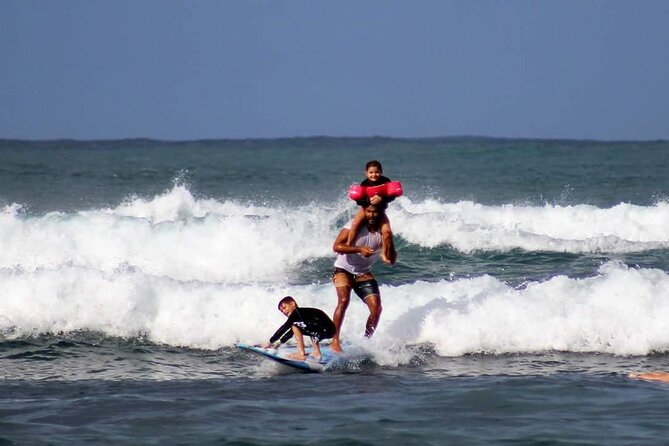
Reviewed · NORTH SHORE & HALEIWA
Surf Lessons on the North Shore Great for Families and all Ages
First wave day starts on Oahu’s North Shore. This surf lesson in Haleiwa is built for people who want to learn fast, with hands-on coaching where the North Shore helps you aim for that first stand-up. I especially like that you get a top longboard and rashguard included, and the small-group setup keeps the attention focused.
One thing to keep in mind: surfing depends on good weather, and lessons can be moved if conditions aren’t right. If you’re bringing kids, that matters—this is exactly the kind of calm, patient teaching associated with instructors James, Evan and Kane, including support for children and multi-generational groups.
In This Review
- Key things to know before you go
- Haleiwa on Oahu: why this North Shore style works for first-timers
- Your $165 value: board, rashguard, and coaching that’s built for results
- What happens during the lesson: beach prep to first stand-up
- Stop 1: Haleiwa (where you build confidence fast)
- The “paddling to standing” moment
- Private, semi-private, and small groups: pick the help level you need
- Instructors and patience: why this fits families (including multi-generation groups)
- Safety and etiquette: the unglamorous parts that make surf lessons better
- Scheduling on Oahu: morning vs afternoon and how far ahead to book
- When weather doesn’t cooperate: planning for surf reality
- Quick practical fit check: who should book this and who might rethink it
- Should you book this surf lesson?
- FAQ
- Where is the meeting point for the lesson?
- How long does the surf lesson last?
- Can I choose between a morning or afternoon lesson?
- What surf gear is included?
- How many people are in each group?
- Are private or semi-private lessons available?
- What’s the minimum age for children?
- What happens if the lesson is canceled due to poor weather or you need to cancel?
Key things to know before you go
- Haleiwa base on the North Shore: You learn where surfing culture is strong and conditions are set up for beginners.
- Gear included: A top ST longboard and rashguard are provided so you can focus on technique.
- Small group size (max 12): More coaching time, less standing around waiting.
- Instructor push for first wave: They help with timing and the jump from paddling to standing.
- Flexible lesson styles: Private, semi-private, and small group options are offered, up to 2 hours.
Haleiwa on Oahu: why this North Shore style works for first-timers
If your goal is a first real wave, you want two things: the right coaching and a spot where beginners can practice without feeling totally lost. That’s the point of learning along Oahu’s world-famous North Shore in Haleiwa. The ocean zone here is known for being a place people go specifically to learn how to catch a first wave, not just watch surfers from shore.
What I like about this lesson is that it doesn’t treat you like you’ll magically figure it out. The instructor covers fundamentals you can actually use immediately: how to read the surf zone, how to time your takeoff, and how to move from paddling to standing. That sequence matters. A lot of beginners understand the idea of standing on the board, but they miss the timing that gets the board into the right part of the wave.
You’ll also practice surfing etiquette and safety right up front. That means you’re not just learning moves—you’re learning how not to interfere with others in the water, which helps keep the whole session smoother for everyone.
More of the North Shore, from Haleiwa out to Waimea
- Oahu’s North Shore: 8-Line Zipline Adventure★ 5.0 · 3,616 reviews
- Toa Luau at Waimea Valley, Oahu★ 5.0 · 3,350 reviews
- Oahu North Shore Experience: Activities, Waterfall & Free Time★ 5.0 · 1,799 reviews
- Oahu: Shark Cage Dive on the North Shore★ 4.8 · 1,485 reviews
Your $165 value: board, rashguard, and coaching that’s built for results
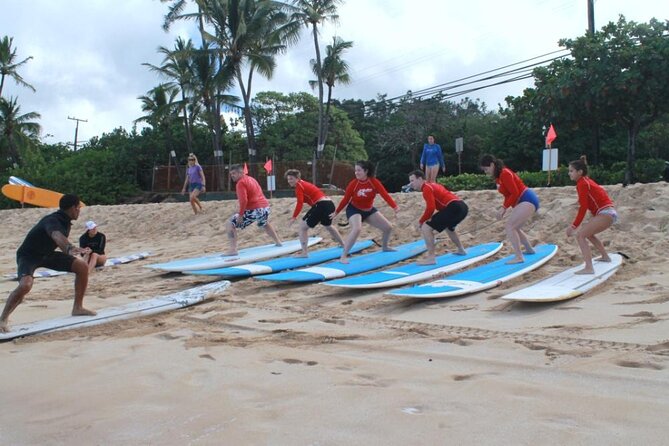
At $165 per person for about 1 hour 30 minutes, the value hinges on what’s included and how much direct attention you get. Here, the big cost-saving is gear. You’re provided a top-quality ST longboard and a rashguard, and they can offer other board types on request. That removes a common headache: hunting down rentals or guessing what board you need for your body and comfort level.
Then there’s the coaching style. This is not a “watch and hope” session. The lesson includes pre-surf instruction on the beach, guidance and assistance in the water, and a focus on fundamentals that help you catch waves sooner. A key detail: they fine-tune the lesson to your needs, and the instructor can give a push to help you catch your first Hawaiian wave. That’s a practical difference. When you’re brand new, the hardest part is often not balance—it’s committing at the right moment.
You also get flexibility that adds value if your schedule is tight: you can choose a morning or afternoon lesson. If you’re balancing a whole Oahu day—beach time, food stops, and maybe other North Shore stops—that time choice helps you plan with less stress.
Finally, there are group discounts, and the group size is capped at 12. If you come with family or friends, that’s how you stretch your budget while still keeping the attention where it matters.
What happens during the lesson: beach prep to first stand-up
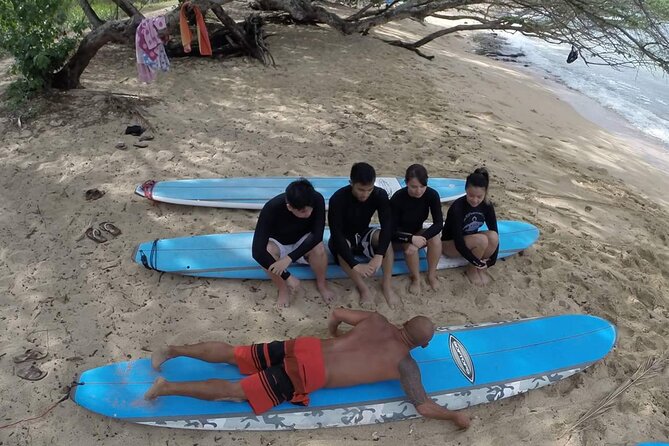
The experience runs roughly 1 hour 30 minutes, and it generally follows a simple structure that beginners can handle. You start in Haleiwa and meet at Sea & Board Sports Hawaii at 62-540 Kamehameha Hwy, Haleiwa, HI 96712. The activity ends back at the meeting point, which is convenient when you’re juggling kids or timing with the rest of your day.
Stop 1: Haleiwa (where you build confidence fast)
Expect a mix of calm instruction and active practice. Before you even get in the water, the instructor gives pre-surf instruction on the beach. This is where you learn the basics that prevent the classic beginner mistake: rushing into the ocean without knowing what to watch for.
You’ll cover:
- how to read the surf zone
- surfing etiquette (so you’re not guessing how to share space)
- timing and catching the wave
- the transition from paddling to standing
Then you get the hands-on coaching. Guidance and assistance in the water is the point where the lesson turns from theory into something you can feel. The instructor isn’t just yelling tips. They’re actively working with the flow of your session—helping you line up, giving direction at the moment it counts, and offering support to help you catch that first wave.
Catch the gentle Waikiki rollers, more lessons
- Open Group Surfing Lesson in Waikiki, Hawaii
★ 4.5 · 582 reviews - Oahu: Beginner-Friendly Waikiki Beach Surfing Lesson
★ 4.9 · 425 reviews - Surfing Lessons On Waikiki Beach
★ 4.5 · 317 reviews - Waikiki Private Group Surf Lesson
★ 5.0 · 298 reviews - Family, Private & Group Surfing Lessons, Waikiki Courtesy Shuttle
★ 5.0 · 216 reviews
The “paddling to standing” moment
For new surfers, this step is usually the make-or-break. The board may feel stable once you’re up, but getting up on time can feel impossible. This lesson is built around that transition. When they help you with the timing and even provide a push when needed, you get more attempts that actually turn into progress.
That’s why this lesson works well for first-timers and “recently new” surfers. You’re not being graded. You’re being coached through the hardest part repeatedly, with safety and etiquette in the background.
Private, semi-private, and small groups: pick the help level you need
The offering includes private, semi-private, and small group lessons, with options that can run up to 2 hours. That matters because not every beginner learns at the same pace. Some people need more time for repetition. Others just need more direct attention at the start.
Here’s how I’d think about choosing:
- Small group is ideal if you want a social vibe but still need real coaching time. With the cap at 12, you shouldn’t feel lost.
- Semi-private can be a strong middle ground if you’re comfortable sharing instruction time but you want more hands-on attention than a larger group.
- Private is a great choice if you’re traveling with kids and want extra focus, or if you know you’ll feel anxious without one-on-one support.
If you’re unsure which lesson type fits you, the provider offers a straightforward option: you can call and get help choosing.
Also, note that even in the standard structure, they adjust your lesson to meet your specific needs. That’s valuable because beginners often come with the same question but different answers: some need help choosing where to wait; others need help committing to standing.
Instructors and patience: why this fits families (including multi-generation groups)
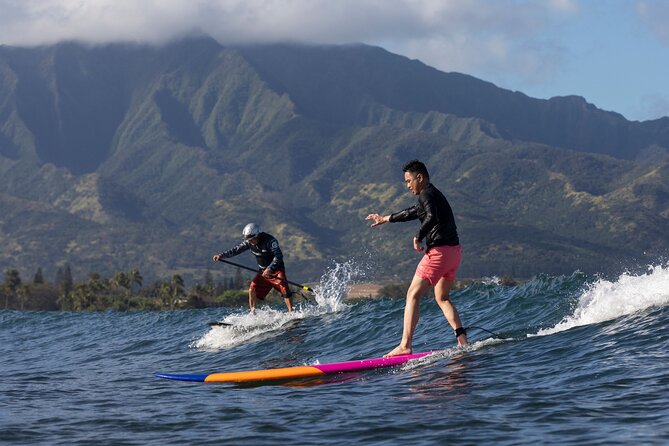
The most highly praised aspect is the coaching style—patient, kind instruction that helps kids and older family members stay calm and keep trying. In particular, instructors James, Evan and Kane are associated with a smooth experience for children and grandchildren. That’s a big deal, because surf lessons can go one of two ways: either kids get overwhelmed, or they get guided in a way that feels doable.
This lesson’s approach supports that family-friendly feel. It starts with safety as a priority, then builds toward the fun part: catching waves. The instructor doesn’t just explain. They guide in the water and help you with the transition to standing, which helps beginners keep momentum rather than getting stuck in the frustration loop.
It also helps that the lesson is designed for all ages in practice, with clear guidance that children from ages 4–12 should call. That tells me the provider is thinking about appropriate readiness and supervision rather than treating every child as the same.
If you’re planning a family trip and you want an activity where everyone can participate—without everyone needing prior surf experience—this is a strong match.
Safety and etiquette: the unglamorous parts that make surf lessons better
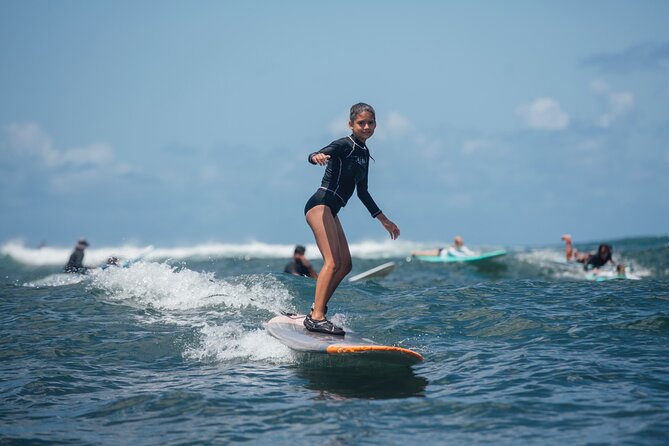
Surf lessons have a reputation for being mostly about fun. But the reason they work is the behind-the-scenes safety and etiquette teaching. In this session, instructors explain surfing etiquette, safety priorities, and how to read what’s happening in the water.
That includes learning the surf zone, which is basically learning where waves are breaking and how to position yourself so you’re not fighting the ocean blindly. They also focus on timing, so you learn when to go rather than trying to stand up too early or too late.
Why I think this matters for beginners: when you understand what to look for, you stop blaming yourself and start adjusting. Instead of panic, you get small wins—better paddling position, a more accurate takeoff, and ultimately a first wave that feels real.
The “instructor push” detail also ties into safety and progression. If the instructor is helping you catch your first wave at the right moment, that’s not cheating. It’s a coaching tool to help you experience success while still learning proper sequencing.
Scheduling on Oahu: morning vs afternoon and how far ahead to book
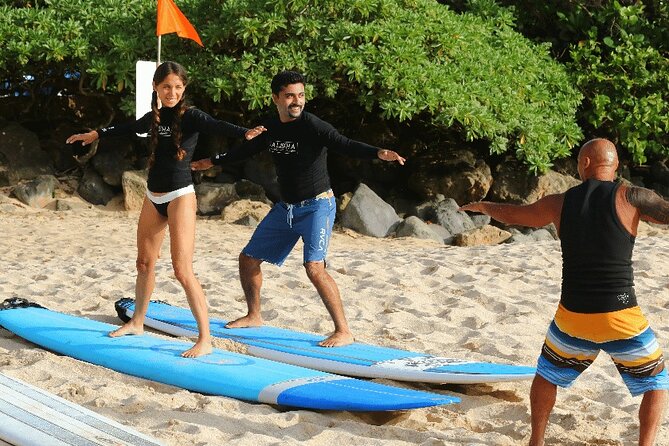
You can choose a morning or afternoon lesson, and that choice is more practical than it sounds. On a busy Oahu trip, you’re always trading time between beaches, driving, meals, and whatever else your day holds. A lesson time that matches your energy level helps you arrive ready instead of rushed.
This activity is also booked about 39 days in advance on average. That’s a sign it’s a popular option on the North Shore. If you’re traveling during a busy season or you have a specific date in mind, it’s smart to lock it in early rather than assuming you’ll find an open slot.
Another simple plus: you get a mobile ticket. Less paperwork, faster check-in.
And the meeting location is in Haleiwa at Sea & Board Sports Hawaii, which keeps your day organized. You’re not juggling complicated transfers—start there, learn there, and return there.
When weather doesn’t cooperate: planning for surf reality
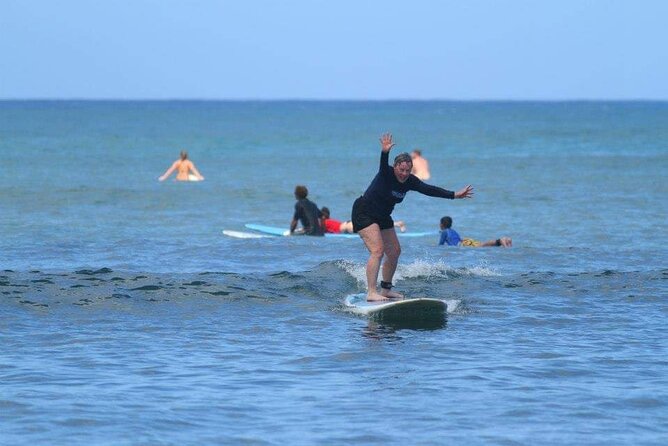
This is the part you can’t ignore: good weather is required. The provider notes that if the activity is canceled due to poor weather, you’ll be offered a different date or a full refund. That’s the safest way to handle an outdoor sport where conditions change.
So if you’re building a plan around one specific day, keep a little flexibility. Surf sessions are weather-dependent, and you’ll have the best chance of a smooth experience when you can shift to an alternate date if needed.
Quick practical fit check: who should book this and who might rethink it
Book it if:
- you want a beginner surf lesson on Oahu’s North Shore
- you prefer small-group coaching with safety and etiquette included
- you need gear covered (top longboard and rashguard)
- you’re traveling with family and want patient instruction that works for kids and multi-generation groups
- you want support that targets the hard part: paddling to standing
Consider a different format or a different lesson if:
- your schedule is extremely rigid and you can’t move if weather changes
- you’re traveling with children in the 4–12 range and you need a quick call to confirm the best option
Should you book this surf lesson?
I’d book it if you’re aiming for a real first-wave experience with coaching that understands beginners. The price is fair when you factor in the included board and rashguard, plus the structured instruction that teaches reading the surf zone, etiquette, and the paddling-to-standing transition. The small group size and the fact that instructors like James, Evan and Kane are recognized for patience make it especially attractive for families.
If weather could mess with your schedule, build in a little wiggle room. Surf is outside, and the ocean doesn’t care about plans.
FAQ
Where is the meeting point for the lesson?
You’ll meet at Sea & Board Sports Hawaii, 62-540 Kamehameha Hwy, Haleiwa, HI 96712, USA.
How long does the surf lesson last?
The duration is about 1 hour 30 minutes.
Can I choose between a morning or afternoon lesson?
Yes. The lesson offers a choice of morning or afternoon to match your schedule.
What surf gear is included?
The lesson includes a top-quality ST longboard and a rashguard. Other board types are available on request.
How many people are in each group?
This activity has a maximum of 12 travelers.
Are private or semi-private lessons available?
Yes. Private, semi-private, and small group lessons are available, and lessons can be up to 2 hours long.
What’s the minimum age for children?
For children from ages 4–12, you need to call.
What happens if the lesson is canceled due to poor weather or you need to cancel?
Good weather is required. If it’s canceled due to poor weather, you’ll be offered a different date or a full refund. You can cancel up to 24 hours in advance for a full refund.
More Tour Reviews in Oahu


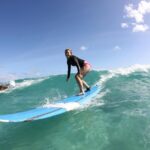
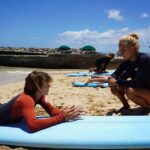
Learn to Surf at Waikiki

Up on the North Shore



Just Reviewed: More Oahu Tours


North Shore & Haleiwa, compared.
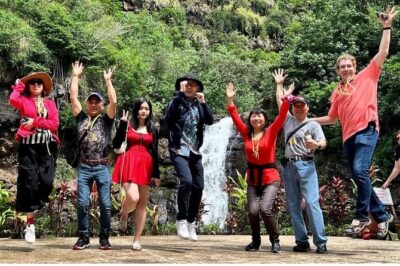 ★ 5.0Oahu Circle Island Tour with Waimea WaterfallFrom $1543,912 reviews
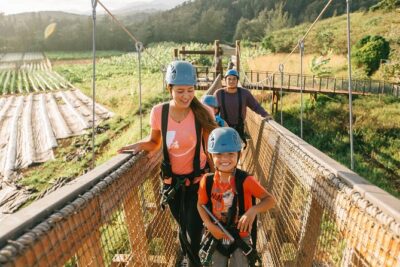 ★ 5.0Oahu’s North Shore: 8-Line Zipline AdventureFrom $2033,616 reviews
 ★ 5.0Toa Luau at Waimea Valley, OahuFrom $1333,350 reviews
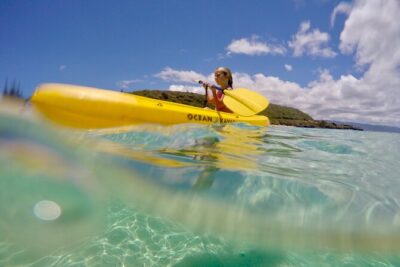 ★ 5.0Oahu North Shore Experience: Activities, Waterfall & Free TimeFrom $1671,799 reviews
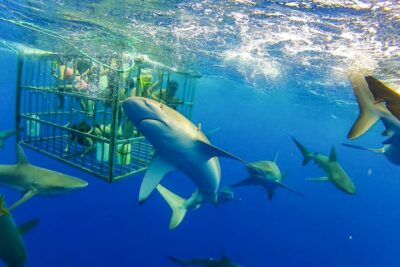 ★ 4.8Shark Cage Dive on the North ShoreFrom $991,485 reviews
 ★ 5.0Shark Cage Diving on Oahu’s North ShoreFrom $1001,391 reviews
 ★ 5.0Full Day Oahu Circle Island -Turtle Beach Snorkel at North ShoreFrom $110662 reviews
 ★ 5.0Safe and Educational Shark Dive from Haleiwa: Sharks GuaranteedFrom $165553 reviews
Where else this tour ranks