
Reviewed · NORTH SHORE & HALEIWA
Shark Cage Diving on Oahu’s North Shore
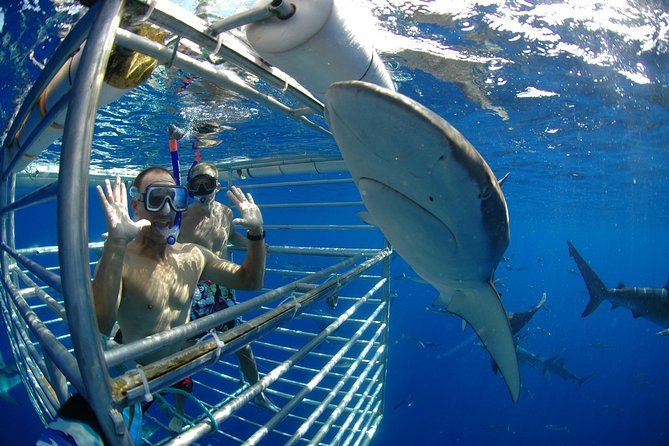
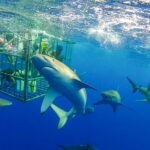
A cage turns fear into facts. This shark encounter on Oahu’s North Shore lets you watch Galapagos and sandbar sharks up close in a floating cage, with big viewing panels that keep you feeling in control. I love how small-group the experience is, so the crew can actually help you instead of juggling a crowd.
My second big win is that you don’t need scuba training. You’ll get snorkeling equipment, stay mostly on the surface, and look through clear panels while sharks glide by like they own the place. The one drawback to plan for: the ocean can be choppy, and a few people find the cage motion gets to them, especially in cooler months.
In This Review
- Key points before you go
- Why Oahu’s North Shore is built for shark viewing
- Meeting at Haleiwa Boat Harbor: what the first hour feels like
- Inside the floating cage: safety, viewing, and how it works
- Shark time: spotting strategy and what to expect from Galapagos and sandbars
- The crew’s shark talk: biology you can actually use
- Ocean conditions: sea sickness, cold water, and how to prep
- Bonus wildlife: whales and birds sometimes join the show
- Cost and value: what $100 buys you on this North Shore trip
- Who this is best for (and who should think twice)
- Should you book this shark cage encounter?
- FAQ
- How long does the shark cage experience last?
- How much does it cost?
- What’s included in the price?
- Do I need scuba certification or prior diving experience?
- Can I choose not to get in the cage?
- What is the minimum age to participate?
- How many people are in the group?
- What should I bring if towels and swimwear aren’t included?
- What happens if weather is bad or I need to cancel?
Key points before you go
- Max 12 people: a tighter setup than the mega-tours.
- Surface snorkeling + clear panels: no scuba certification needed.
- Cage access feels straightforward: easy in and out, with crew support.
- Observer ticket option: you can stay on the boat if you’d rather not enter the cage.
- Weather matters: it runs only when conditions are good.
- Bring warmth and a towel: water can feel cool, and you’ll want to dry off after.
Why Oahu’s North Shore is built for shark viewing
Oahu’s North Shore is famous for clear water, and this trip leans into that. You’re not doing a “look for dolphins from land” kind of experience. You’re out where the ocean is open, the visibility can be excellent, and the sharks are living their normal routine.
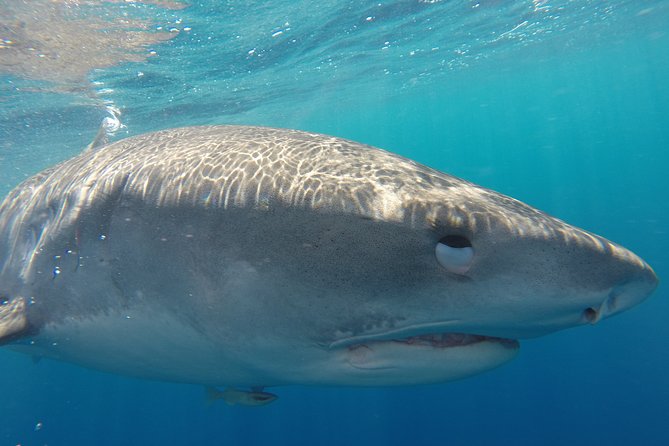
The species focus is also a plus for real-world expectations. The trip is designed around Galapagos sharks and sandbar sharks, the kind of animals that show up repeatedly in this area. And if you’re lucky, other visitors can pop up too, like tiger sharks—though that part is always a nature roll of the dice.
More of the North Shore, from Haleiwa out to Waimea
- Oahu’s North Shore: 8-Line Zipline Adventure★ 5.0 · 3,616 reviews
- Toa Luau at Waimea Valley, Oahu★ 5.0 · 3,350 reviews
- Oahu North Shore Experience: Activities, Waterfall & Free Time★ 5.0 · 1,799 reviews
- Oahu: Shark Cage Dive on the North Shore★ 4.8 · 1,485 reviews
Meeting at Haleiwa Boat Harbor: what the first hour feels like
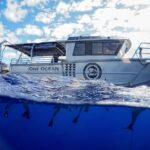
You start at Hale‘iwa Boat Harbor, where you meet the crew, get oriented, and board. The whole thing runs about two hours total, so it’s not one of those half-day commitments that eats your schedule.
From what I’ve seen on similar ocean tours, the best indicator of quality is how smoothly the crew gets people moving—because nerves are real on this kind of trip. Here, the vibe tends to be calm and practical. The boat ride is relatively short (many people describe it as around 15 minutes) before you reach the shark area offshore. You’ll also get little “look for this” cues along the way, which helps the water time feel purposeful instead of wandering.
One more value note: you’re getting a mobile ticket, so you’re not stuck hunting for paper confirmations at the dock.
Inside the floating cage: safety, viewing, and how it works
The centerpiece is the floating cage. The crew helps you get in, get situated, and stay comfortable. People often comment that it feels safe and easy to use, and that matters, because the hardest part for many first-timers is simply wrapping your head around being that close.
Here’s how the viewing typically works:
- You’ll spend time in the cage in open ocean conditions.
- You stay on the surface with a mask and snorkel.
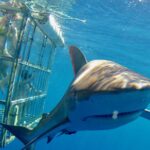
- You can look through the large clear panels—called out as polyglass windows—which give you a cleaner, less-distorted view than you’d get from bars alone.
One detail that’s worth knowing: the cage doesn’t have full clear walls. Some sides are clear, and others are bars. That’s normal for cage design, but it’s nice to know up front so you don’t imagine a fully glass-walled underwater aquarium.
Also, the crew is present the whole time. You’re not left to figure out your breathing, your gear, or your nerves on your own. When people feel relaxed, they see more. When they’re frantic, they miss the best moments. This setup is built to keep you in the calm zone.
Shark time: spotting strategy and what to expect from Galapagos and sandbars
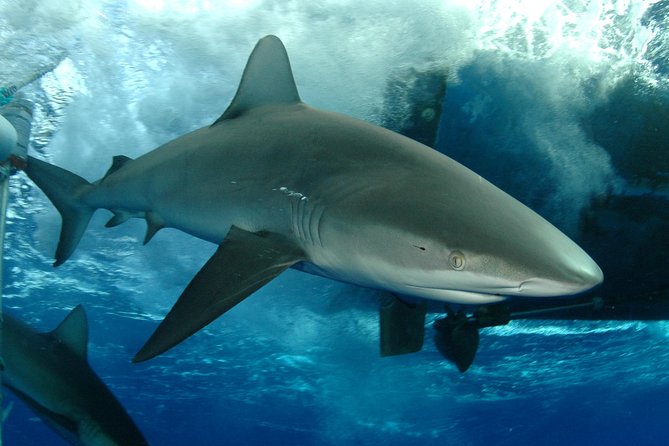
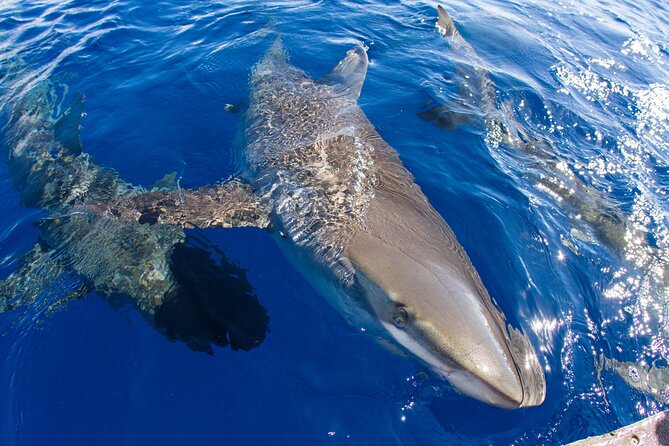
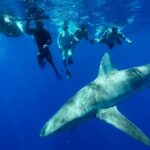
This experience is about presence. Once you’re at the site and the sharks are around, the “wow” factor comes fast. People describe sharks circling the cage and showing up in numbers—sometimes plenty enough that you feel like you’re watching an entire neighborhood, not a single animal.
What you’re likely to see:
- Galapagos sharks: steady, strong swimmers that can feel surprisingly “close” even when they’re just gliding.
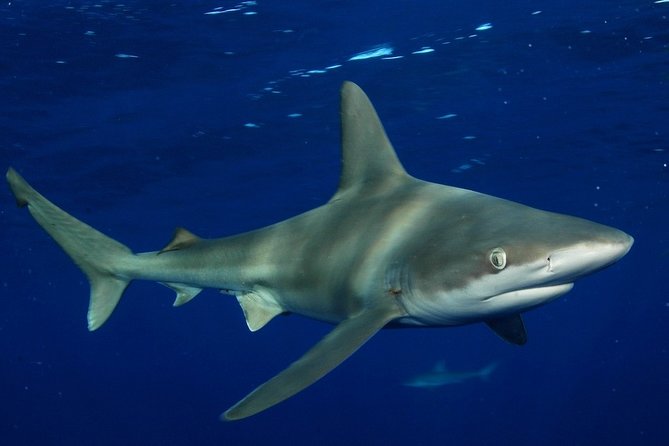
- Sandbar sharks: often appear in calm, methodical passes around the cage area.
And what you should keep your expectations grounded on:
- Shark behavior is never scheduled. You might get a slow, mesmerizing circuit, or you might get a cluster of animals that feels like a busy intersection.
- Nature can also be picky on the day—visibility, current, and even other wildlife in the area can shift what shows up.
A practical mindset that helps: don’t “stare down” one shark for too long. Watch the area around the cage. Sharks frequently turn up from different angles, and the clearest moments often happen right as you look away and then re-check.
Also, here’s a mental shortcut that seems to help nervous first-timers: sharks aren’t doing a movie scene. They’re curious and active in their environment, and most of the “scary” stories people worry about are the result of misinformation. The crew’s job is to connect you to what’s actually happening in the water.
Out past the break with the sharks
- Oahu Shark Dive
★ 5.0 · 2,903 reviews - Shark Cage Diving on Oahu’s North Shore
★ 5.0 · 1,391 reviews - Cage-Free Shark Swim from Oahu
★ 5.0 · 1,064 reviews - Safe and Educational Shark Dive from Haleiwa: Sharks Guaranteed
★ 5.0 · 553 reviews - Dive with Sharks in Hawaii: Shark Tour from Haleiwa
★ 5.0 · 468 reviews
The crew’s shark talk: biology you can actually use
This trip isn’t just visual. The crew provides commentary about shark biology and behavior, so you’re not stuck watching shapes without context.
You can expect:
- Straight-to-the-point explanations of how sharks live and hunt in the wild
- Notes on why their movement looks the way it does
- Basic Q and A moments (and yes, some crews turn it into little quizzes)
Guide personalities show up in reviews in a fun way. People specifically mention Caleb as patient and great at answering questions, and they also call out Captain David plus Efraim/Efram for making the day feel both professional and relaxed. That combination matters. A confident crew keeps you calmer, and calmer guests are the ones who enjoy the whole experience instead of just surviving it.
One more small win: some guides seem to encourage questions without eye-rolling. If you’re the type who always wants to know what you’re seeing, this tour plays well with that habit.
Ocean conditions: sea sickness, cold water, and how to prep
This is the part people sometimes forget: you’re on the North Shore ocean, not a calm lagoon. Reviews include mentions of rougher waves on certain days and that the cage can rock more than you expect.
If you’re sensitive to motion, be proactive:
- Consider taking a seasickness medicine ahead of time. One review specifically recommends Dramamine the night before.
- If you feel nauseated during the wait or the cage time, sit where the motion feels most manageable. Some people find the corner helps them steady their focus.
Warmth matters too. In winter months (and especially around February), people report the water feeling cool. A body suit or wetsuit-style layer can make the experience more comfortable, especially if you’re in the water longer than you expect to be.
And don’t forget the basic comfort gear:
- Bring a towel
- Bring what you need for swimwear
Towels and swimwear aren’t included, but the crew often rinses you off after, which is a nice touch after time in saltwater.
If you’re deciding when to go, one of the smartest tips that repeats: book an early morning slot. People say mornings often mean smoother conditions and a calmer cage session.
Bonus wildlife: whales and birds sometimes join the show
A lot of shark trips also become wildlife trips, and this one can be that way. On some days, people report whales on the way out or back (including humpbacks), along with little “watch for this” nature spotting like flying fish and an Iwa bird.
None of this is guaranteed—ocean wildlife is always unpredictable. But the fact that people see it at all tells you the trip’s pacing is good: you’re not racing around so fast that you miss what’s floating by.
If you’re the type who enjoys ocean ecology, you’ll probably appreciate these extra moments even when sharks are the main event.
Cost and value: what $100 buys you on this North Shore trip
At $100 per person, this is not the cheapest activity in Honolulu. But it also isn’t priced like a luxury private outing. The value comes from what’s included and what you’re buying with the money:
You’re getting:
- Shark cage time (the main event)
- Snorkeling equipment
- Local taxes
- An expert crew guiding you and teaching you
And the group size is capped at 12 travelers, which supports a more personal experience than the huge-tour model. A smaller group is not just a comfort perk. It often means better instructions, smoother gear help, and a calmer entry process—especially for first-timers.
Optional extras can add cost, like GoPro rentals mentioned in reviews. But even without that, the experience is designed around clear viewing through panels, so you’re not depending on perfect luck with your own camera setup.
Bottom line on value: if you want a safe, guided, close-up shark encounter without scuba training, this price can feel fair because the “product” is time in the habitat plus real instruction, not just a boat ride.
Who this is best for (and who should think twice)
This tour fits really well if you:
- Want a close-up shark experience but don’t have scuba training
- Are nervous about the ocean and prefer a structured setup with a crew
- Like wildlife and want the biology context, not just the spectacle
- Prefer small groups over crowded tours
It can also work for families. Reviews mention kids doing it successfully, with the cage making the experience feel manageable.
Think twice if:
- You’re highly prone to motion sickness and haven’t had good luck with any prevention method.
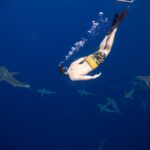
- You want lots of time underwater with full scuba-style immersion. This experience keeps you mostly on the surface, with snorkeling and viewing through panels.
And there’s a smart option built in: the observer ticket. If one person wants to stay on the boat and watch, that option exists. Just note it does not include cage entry or snorkeling equipment—so it’s for comfort and participation, not for a “halfway in, halfway out” water experience.
Should you book this shark cage encounter?
If you’re choosing between doing nothing and doing a bucket-list ocean experience, I’d lean toward booking—especially if you like animals and want a guided, low-stress way to see them up close.
I think it’s a great match when:
- You want no-scuba snorkeling access with clear viewing.
- You want a calm, crew-led experience with a small headcount.
- You’re okay with ocean variability, like cool water or some rocking.
But go in prepared. Bring a towel, plan for the possibility of choppy conditions, and consider seasickness prevention if you’re sensitive. Do those things, and you’ll spend your time watching real sharks do real shark behavior—up close enough to change how you see the whole species.
FAQ
How long does the shark cage experience last?
The experience runs about 2 hours in total.
How much does it cost?
It’s $100.00 per person.
What’s included in the price?
Your ticket includes shark cage time, snorkeling equipment, local taxes, and an expert crew.
Do I need scuba certification or prior diving experience?
No. No prior scuba diving experience is necessary, and no certification is required.
Can I choose not to get in the cage?
Yes. There’s an observer ticket option. It does not include cage entry or snorkeling equipment, and it’s mainly for people who want to stay with family or friends while not going in the water.
What is the minimum age to participate?
The minimum age is 5 years old.
How many people are in the group?
The tour has a maximum of 12 travelers.
What should I bring if towels and swimwear aren’t included?
Plan to bring your towel and swimwear. Sunscreen is also not included, so bring that too if you use it.
What happens if weather is bad or I need to cancel?
This experience requires good weather. If it’s canceled due to poor weather, you’ll be offered a different date or a full refund. You can also cancel for free up to 24 hours before the experience for a full refund.
More Tour Reviews in Oahu



Out With the Sharks
Up on the North Shore



Just Reviewed: More Oahu Tours



North Shore & Haleiwa, compared.
 ★ 5.0Oahu Circle Island Tour with Waimea WaterfallFrom $1543,912 reviews
 ★ 5.0Oahu’s North Shore: 8-Line Zipline AdventureFrom $2033,616 reviews
 ★ 5.0Toa Luau at Waimea Valley, OahuFrom $1333,350 reviews
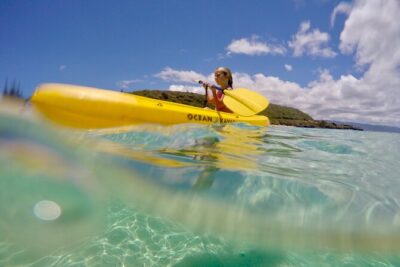 ★ 5.0Oahu North Shore Experience: Activities, Waterfall & Free TimeFrom $1671,799 reviews
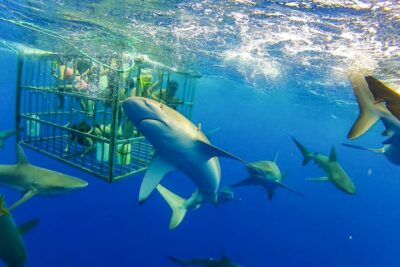 ★ 4.8Shark Cage Dive on the North ShoreFrom $991,485 reviews
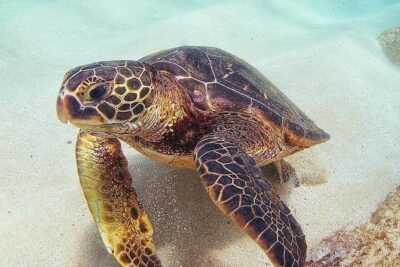 ★ 5.0Full Day Oahu Circle Island -Turtle Beach Snorkel at North ShoreFrom $110662 reviews
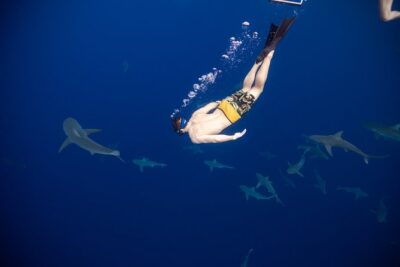 ★ 5.0Safe and Educational Shark Dive from Haleiwa: Sharks GuaranteedFrom $165553 reviews
 ★ 5.0Oahu Island Experience feat the North Shore (Small Group Tour)From $89495 reviews
Where else this tour ranks