
Reviewed · SCUBA DIVING TOURS
Open Water Scuba Certification
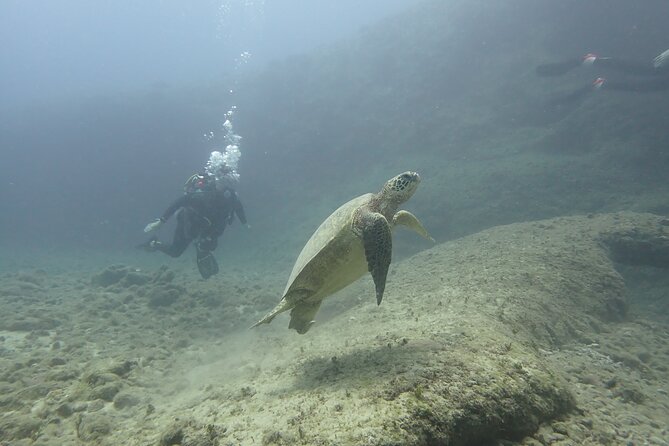
Scuba in Honolulu feels surprisingly doable. This SSI Open Water certification runs over two consecutive weekends, mixing beach training with open-water checkouts and a real chance to spot sea turtles and octopuses. You’ll come away with a credential, four logged local training sessions, and a new lens for Hawaii’s coral reefs.
I love how small the class is (up to 8), and how the instruction style stays calm and confidence-building, even if you’re nervous at first. I also like the value of what’s included: you get a professional guide and the bulk of your scuba setup, while you only bring a couple personal items.
One drawback to plan around: the program is non-refundable, and there are health screening rules plus a warning about doing scuba work too soon after flying. Also, before you leave the shop on day one, take a minute to confirm your gear fits well so you don’t start the course fighting your equipment.
In This Review
- Key highlights I’d mark in your planner
- Honolulu’s SSI Open Water Course: Two Weekends, Four Days, Real Reef Time
- Day-by-Day Plan: From Beach Skills to Ocean Checkouts
- Instructors and Teaching Style: Why People Feel Safe Fast
- Reef Wildlife and Hawaii’s Underwater Focus: What You Can Expect to See
- Gear, What to Bring, and the Comfort Checklist
- Timing, Meeting Point, and the Schedule That Actually Works on Vacation
- Price and Value: Is $495 Fair for a Full SSI Credential?
- Who This Course Fits Best (and Who Should Reconsider)
- Should You Book This Open Water Course?
- FAQ
- What certification will I earn?
- How long is the course and how is it scheduled?
- Do I need to do any online learning before the first day?
- What scuba equipment is included, and what do I need to bring?
- Where do I meet, and what time does the course start?
- Do I need my own transportation?
- How many people are in the group?
- Are there health or safety rules I should know about?
Key highlights I’d mark in your planner
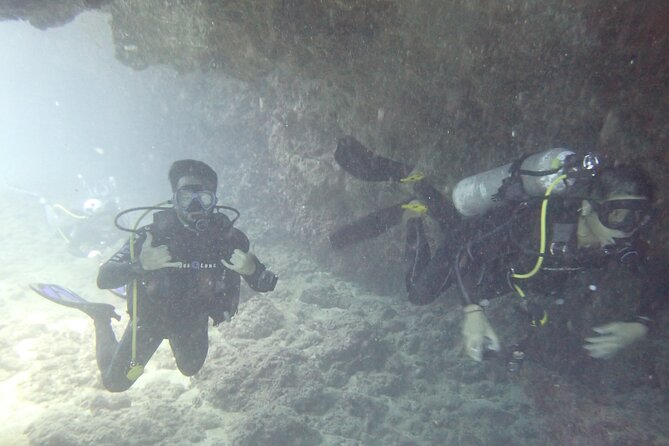
- Two-weekend format: 4 days total, structured as confined-skills practice plus checkouts
- Up to 8 students: easier questions, more personal coaching during skills
- SSI Open Water credential: you finish with an internationally recognized certification from SSI
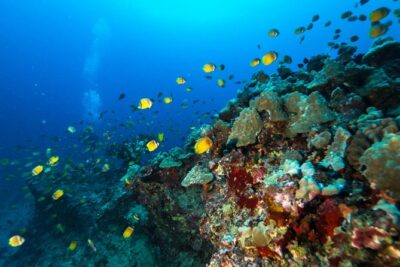
- Reef wildlife odds: sea turtles, octopuses, and colorful tropical fish are a realistic goal
- Most gear included: you handle a few personal items, but the rest is provided
- Hands-on leadership: instructors like Lenny, Theo, Jess, Anna, Hunter, Ed, Chandler, and Nick are repeatedly praised for patience and safety focus
Honolulu’s SSI Open Water Course: Two Weekends, Four Days, Real Reef Time
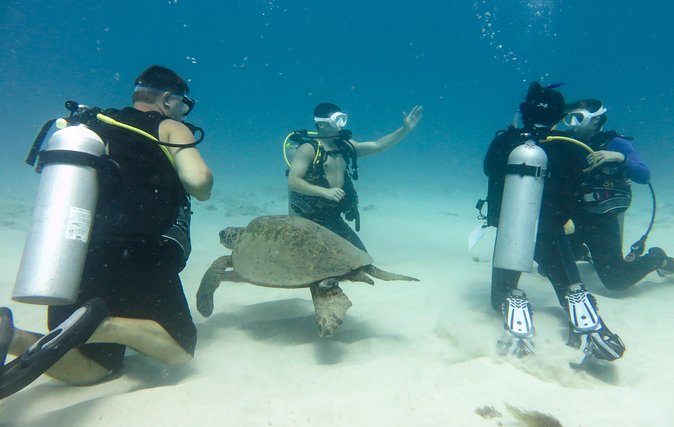
If you’ve ever watched someone float over a coral wall and thought, That looks intense, this course is built to make it manageable. You’re not just doing a one-off experience. You’re working through the full open water certification flow that SSI requires, with a mix of knowledge work, confined skills, and open-water checkouts.
What makes this Hawaii setup especially practical is the schedule. It spreads the course across two consecutive weekends, not a single marathon. That structure helps you absorb skills without rushing your brain or your body.
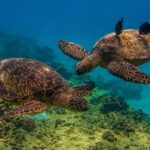
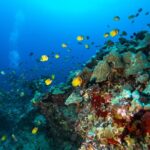
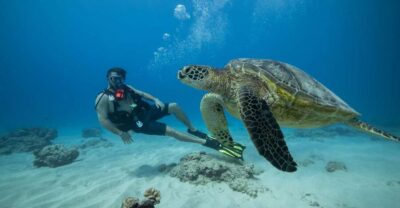
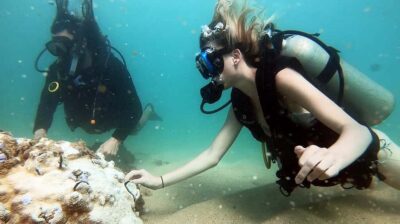
And yes, you’re here in Honolulu, with access to the type of underwater habitat where you might spot sea turtles cruising by, octopuses tucked into reef structure, and plenty of bright tropical fish. Your reward isn’t just the certificate. It’s learning how to look at the ocean without panicking and then applying that during your final checkouts.
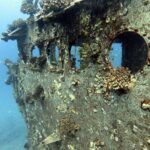
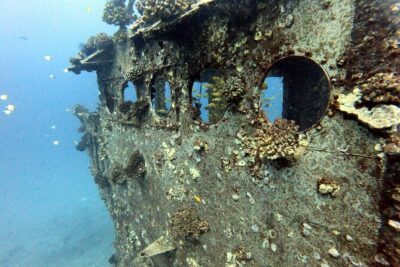
Down to the wrecks and reefs off the island
- Beginner Scuba Diving Experience with Video Package in Honolulu★ 5.0 · 877 reviews
- Certified Diver: 2-Tank Deep Wreck and Shallow Reef Dive Off Oahu★ 5.0 · 331 reviews
- Incredibly Fun Coral Reef Giant Sea Turtles 4hour Boat Scuba Tour★ 4.5 · 300 reviews
- Certified Diver: 2-Tank Shallow Reef Dives off Oahu★ 5.0 · 278 reviews
Day-by-Day Plan: From Beach Skills to Ocean Checkouts
The course runs as a 4-part program over 2 weekends, with a total of four training days. On the first day, you’re not thrown straight into the water like a movie scene. You’ll start with the final exam review and then do the confined water scuba work from the beach.
Confined water (in this format) matters because it’s where you build muscle memory. You’ll practice the core equipment behaviors and key control skills in a setting designed to reduce surprises. It’s the part that makes open-water checkouts feel like a natural extension instead of a jump into the unknown.
On day two, you take those skills into the ocean for two open-water training sessions. This is where you start using what you learned while dealing with real conditions: moving water, natural visibility changes, and the mental shift from controlled practice to actual navigation and buoyancy tasks.
The next weekend, day three finishes the confined water training portion. Think of it as consolidation. If you struggled with something earlier, this is where you get repeated chances to fix it before the final two checkouts.
Day four brings the final two checkouts. This is the moment where you prove you can manage your equipment calmly and perform the required tasks while the group and instructor watch for control and safety habits. Finishing strong here is also what sets you up to enjoy future reef time, because you’re not guessing anymore—you’re applying a routine.
Instructors and Teaching Style: Why People Feel Safe Fast
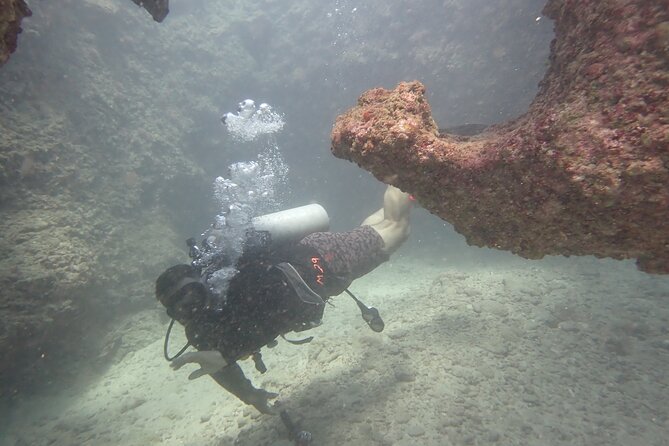
The most consistent theme in the class reputation is how instruction happens. You’ll notice it right away in the way instructors break skills down and how they pace practice so you don’t feel rushed. In particular, you’ll see a pattern of praise for instructors who are patient, safety-focused, and quick to make nervous students comfortable.
Names that come up often include Lenny and Theo for patient teaching, Jess for leadership with a strong sense of humor, and Anna for helping students who were scared to start feel in control. Other instructors mentioned include Jake, Ed, Chandler, Hunter, and Nick, with the same general message: they teach you the basics clearly, then help you practice until it clicks.
One practical takeaway for you: if you’re new to scuba, don’t treat the first confined session like a pass-or-fail test. Treat it like onboarding. The class is designed to build competence step by step, and that’s exactly why people leave saying they felt safe and supported.
Reef Wildlife and Hawaii’s Underwater Focus: What You Can Expect to See
Hawaii’s reefs are a real draw, and the goal here is not just to see stuff. It’s to learn how to spot stuff while you’re still managing buoyancy, breathing rhythm, and awareness.
Based on the course’s stated theme and how the training is described, you should aim for common wildlife sightings like sea turtles and octopuses, plus a wide range of colorful tropical fish. The exact animals depend on the day and conditions, so don’t treat sightings as guaranteed. But you’re training in an environment where these creatures are part of the local underwater world, so the odds are genuinely worth your effort.
Just as important: you’ll learn how to move and look without smashing reef structure or disturbing wildlife. That is what turns a good trip into a responsible one—and it’s how people end up wanting to return for more.
A few more Oahu tours to weigh up before you book:
- Shark Cage Diving on Oahu’s North Shore
★ 5.0 · 1,391 reviews - Shark Cage Diving On “The World Famous North Shore of Oahu”, Hawaii
★ 5.0 · 222 reviews - DISCOVER Scuba Diving Experience in Honolulu
★ 5.0 · 202 reviews - Oahu Open Water Shark Diving Experience
★ 5.0 · 128 reviews - Oahu: Waikiki Discovery Scuba Diving for Beginners
★ 4.8 · 99 reviews
Gear, What to Bring, and the Comfort Checklist
This course includes the use of scuba equipment, but you should plan on bringing your own mask, snorkel, fins, and boots. If you don’t have them, the course notes that prices for those items start at $175, which is a reminder to budget for at least a basic setup if you’re starting from scratch.
A key planning tip: don’t show up on day one with random gear that’s half-right. Your mask fit affects comfort and confidence immediately. Tight fins can make your legs cramp before you’ve even settled into the routine. If you’re unsure, bring your items early enough to test in a controlled way.
Also, you’ll be doing both confined practice and ocean sessions. That means the equipment you choose needs to work for both. If your fins feel fine in a pool but pinch in open water, that problem will show up fast.
Lastly, before any training time, you’ll be required to complete a health questionnaire. Some pre-existing conditions—like asthma or heart issues—may prevent you from scuba training, so it’s smart to discuss your situation with a doctor if you’re not sure.
Timing, Meeting Point, and the Schedule That Actually Works on Vacation
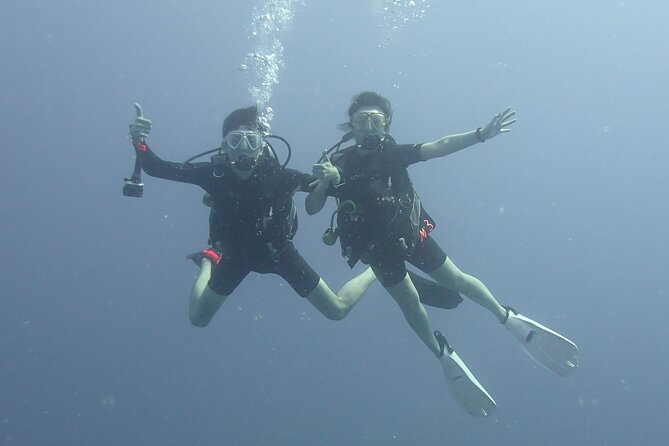
The meeting point is Honolulu Scuba Company at 670 Auahi St, suite a-1, Honolulu, HI 96813. You start at 7:00am, and the activity ends back at the meeting point.
You’ll want to plan your travel day around that early start. Even if you’re staying nearby, mornings in Honolulu can be cooler and calmer, and you’ll likely appreciate showing up ready rather than scrambling for gear.
Also, the course is designed for locals and others who can meet the schedule. Anyone can join if they fit the timing, but it’s not built as a casual grab-and-go excursion.
You’ll also need your own transportation. Private transportation isn’t included, so build time to park or arrange rides for both weekends.
Price and Value: Is $495 Fair for a Full SSI Credential?
At $495 per person, this is best understood as a bundled deal for learning and certification—because you’re not just paying for a few hours in the water. You’re paying for a structured four-part SSI Open Water course, with professional guidance, equipment use, and digital learning required before the first day.
Digital learning is included and required. The course notes you’ll need to contact them directly for access, so handle that early after booking. This part matters because it shifts some work off your first morning and helps you arrive knowing what to expect.
The value equation looks strong when you compare the components:
- full SSI certification pathway
- coached confined practice plus ocean checkouts
- equipment use included (with a short list of personal items you must bring)
- small group size (max 8)
- four training sessions logged locally
The main caution on price isn’t cost. It’s risk. The experience is non-refundable and cannot be changed for any reason. So if you’re booking while worried about illness timing, family emergencies, or medical concerns, you’ll want to think hard before you commit.
Who This Course Fits Best (and Who Should Reconsider)
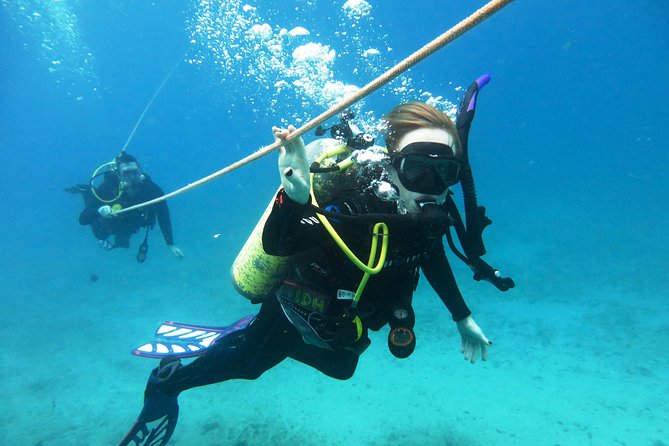
This training is ideal if you want scuba certification in Hawaii and you like structure. If you learn best with step-by-step coaching and you prefer a guided path rather than winging it, you’ll likely feel comfortable with this format.
It’s also a good choice if you want to keep your vacation manageable. Because the course runs over two weekends, you’re not forced into a single long block of days. That’s easier for people balancing work schedules, other sightseeing, or travel logistics.
The course mentions you should have moderate physical fitness. That doesn’t mean you need to be an athlete. It means you should be able to handle getting in and out of gear, moving with equipment, and completing training tasks without pushing your body too far.
If you have asthma, heart conditions, or any other medical concern, don’t guess. Use the required health questionnaire and talk to your doctor if you’re unsure whether you can safely complete the training. The goal is to make scuba accessible, not to gamble.
Should You Book This Open Water Course?
I’d book this if you want a real SSI Open Water certification in Honolulu with a safety-first team and a course that gives you time to build skills before the ocean checkouts. The best signal is the repeated focus on patient instruction and making beginners feel comfortable—especially with instructors like Lenny, Theo, Jess, Anna, Hunter, Ed, Chandler, and Nick.
I would pause before booking if you need flexibility. Because the experience is non-refundable and has health-screening requirements, you should only commit when your schedule and health situation are solid. And because you’re required to bring certain gear items, double-check your equipment situation so you’re not scrambling at 6:15am outside the shop.
If you show up prepared and give yourself permission to learn slowly, you’ll leave with more than a card. You’ll leave with a repeatable set of skills—and a much more confident way to enjoy Hawaii’s reefs.
FAQ
What certification will I earn?
You’ll complete an Open Water Scuba Certification from SSI and finish with four logged local scuba training sessions.
How long is the course and how is it scheduled?
It’s approximately 4 days total, run over two consecutive weekends, with skills work and required checkouts on separate days.
Do I need to do any online learning before the first day?
Yes. Digital learning is included and required, and you must complete it before the first day of class.
What scuba equipment is included, and what do I need to bring?
The course includes the use of scuba equipment. You’re expected to bring your own mask, snorkel, fins, and boots.
Where do I meet, and what time does the course start?
You start at Honolulu Scuba Company, 670 Auahi St suite a-1, Honolulu, HI 96813, and the start time is 7:00am. It ends back at the meeting point.
Do I need my own transportation?
Yes. Private transportation is not included, so you’ll need to arrange your own way to the meeting point and training times.
How many people are in the group?
The course has a maximum of 8 travelers.
Are there health or safety rules I should know about?
You’ll need to complete a health questionnaire prior to participating. Diving within 48 hours of flying is not recommended, and some medical conditions (like asthma or heart conditions) may prevent you from diving—so consult your doctor if you have concerns.
More Scuba Diving in Oahu
More Tour Reviews in Oahu


Under Oahu: More Dives
Just Reviewed: More Oahu Tours

Scuba Diving Tours, compared.
 ★ 5.0Beginner Scuba Diving Experience with Video Package in HonoluluFrom $77877 reviews
 ★ 5.0Certified Diver: 2-Tank Deep Wreck and Shallow Reef Dive Off OahuFrom $248331 reviews
 ★ 4.5Incredibly Fun Coral Reef Giant Sea Turtles 4hour Boat Scuba TourFrom $299300 reviews
 ★ 5.0Certified Diver: 2-Tank Shallow Reef Dives off OahuFrom $141278 reviews
 ★ 4.5Waikiki 2 Tank World Class Wreck SCUBA Diving – Certified OnlyFrom $269205 reviews
 ★ 5.0DISCOVER Scuba Diving Experience in HonoluluFrom $141202 reviews
 ★ 4.8Waikiki Discovery Scuba Diving for BeginnersFrom $27099 reviews
 ★ 4.7Waikiki: Honolulu Beginner Scuba Diving with VideosFrom $7994 reviews
Where else this tour ranks