
Reviewed · SCUBA DIVING TOURS
Incredibly Fun Coral Reef Giant Sea Turtles 4hour Boat Scuba Tour
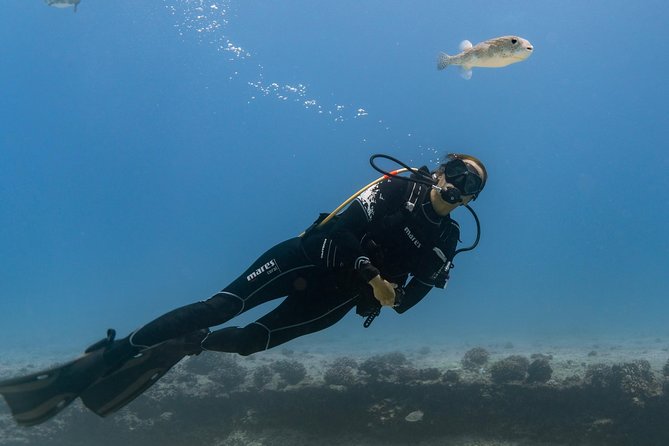
Sea turtles are the headline, but the setup matters. This 4-hour Oahu boat outing pairs a real open-water scuba experience with professional instructors and tank time off Waikiki, so you’re not stuck on a short, shallow gimmick. You’re aiming for two shallow sessions in warm water, with the chance to spot turtles and other reef life.
What I like most is the emphasis on patient instruction for first-timers, plus the tighter small-group ratios (up to 16 people on board). In the feedback I reviewed, names like Olga, Chad, Josh, Mike, and the captains (Yoshi and Steve show up a lot) are repeatedly tied to clear coaching and steady safety checks.
The main drawback is that ocean conditions can change the show. In rainy weather, visibility can drop, and you may feel like the reef is less impressive than you hoped, even though you’ll still get real tank time and wildlife sightings whenever the water cooperates.
In This Review
- Key takeaways before you book
- Entering The Water With Serious Instruction (Not a Quick Trick)
- Two Tank Sessions in a Tight 4-Hour Window
- The Instructor Team: Why Names Like Olga and Chad Keep Showing Up
- Wildlife Chances Off Waikiki: Turtles, Rays, and Reef Creatures
- Route Feel: From Waikiki to Lanikai, North Shore, and Hanauma Bay Area
- Price and Value: Is $299 Worth It?
- Weather, Visibility, and the Rainy-Season Reality
- Safety Rules You’ll Want to Plan Around
- Getting the Most From Your Day: Practical Advice Before You Go
- Should You Book This Scuba Intro on Oahu?
- FAQ
- How long is the Oahu boat scuba experience?
- What’s the price per person?
- Do I need any scuba experience to go?
- What’s included, and what’s not included?
- Are medical forms required?
- Is alcohol allowed before the trip?
- How soon can I fly after the shallow or deeper sessions?
Key takeaways before you book
- Real two-tank, shallow open-water setup (40–60 feet is the typical range for the beginner track).
- Professional coaching from day one, with instructors checking gear and comfort constantly.
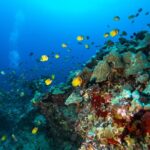
- Turtle chance is strong, and you might also see eagle rays, sharks, octopus, and plenty of colorful reef fish.
- Small group vibe with a maximum of 16 travelers, which usually helps first-timers get attention.
- Weather really affects the experience, especially visibility during rainy season.
- Safety rules are strict, including medical paperwork and no alcohol before your water time.
Entering The Water With Serious Instruction (Not a Quick Trick)
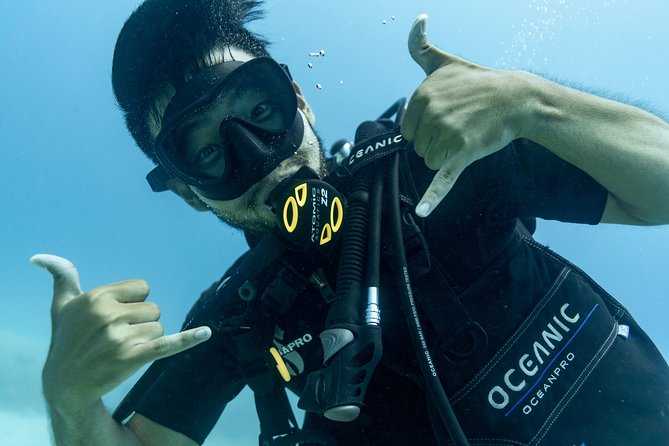
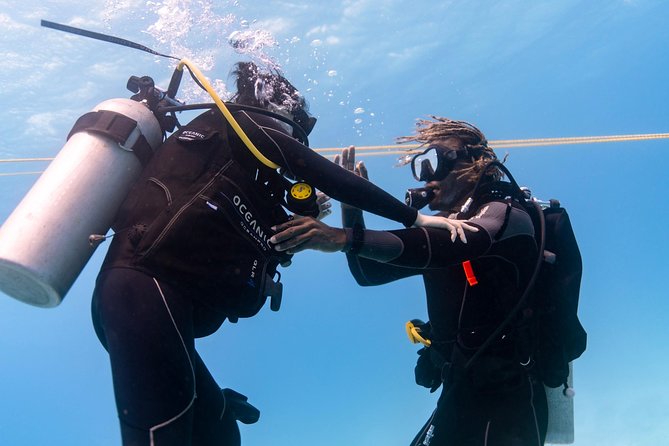
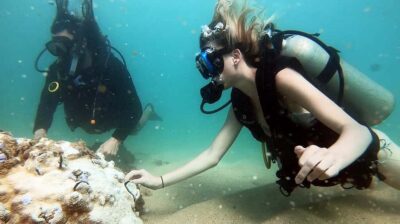
I’m a big fan of tours that don’t pretend. This one is built around the real process: gear fitting, skill practice, and coaching from a professional instructor team with PADI-style standards in mind. The pitch is clear—don’t risk a low-budget beach setup. You’re going out to open water on Oahu, with an instructor-led experience and proper equipment rental included.
For first-timers, that matters more than people expect. The hardest part isn’t seeing fish—it’s learning how to manage breathing, buoyancy, and the small body motions that keep you safe down there. The best feedback I saw kept coming back to patient teaching and constant check-ins, and it often named instructors like Olga and Chad. When an instructor is actively watching your equipment and comfort, you spend less time panicking and more time paying attention to what’s around you.
There’s also a practical angle: you’re not just dropped in the ocean. You’re taught how to move with purpose, which tends to make the rest of your trip smoother, whether you’re a true beginner or someone returning after years away.
Down to the wrecks and reefs off the island
- Beginner Scuba Diving Experience with Video Package in Honolulu★ 5.0 · 877 reviews
- Certified Diver: 2-Tank Deep Wreck and Shallow Reef Dive Off Oahu★ 5.0 · 331 reviews
- Incredibly Fun Coral Reef Giant Sea Turtles 4hour Boat Scuba Tour★ 4.5 · 300 reviews
- Certified Diver: 2-Tank Shallow Reef Dives off Oahu★ 5.0 · 278 reviews
Two Tank Sessions in a Tight 4-Hour Window
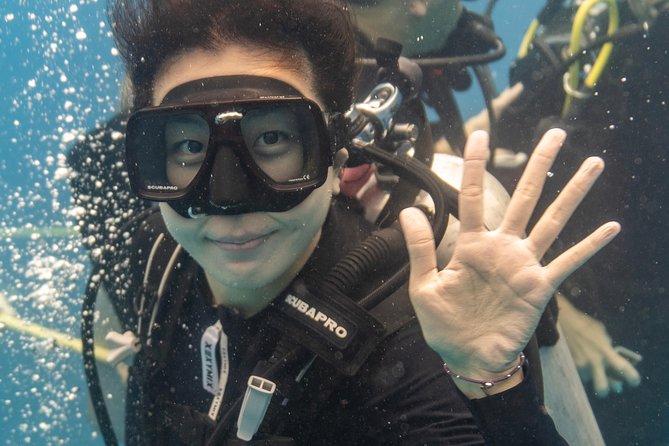
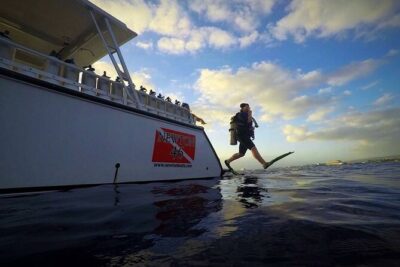
This is a half-day plan—about 4 hours on the schedule. You’ll start with an instruction phase at the shop (some guides describe it as around 20 minutes for the initial briefing). Then you move to the boat launch area and head out for your first shallow tank session.
Here’s what the underwater timing tends to feel like for newer divers:
- First session: skills practice while you follow a line/rope down to roughly the 40–60 foot range. One account described about 50 feet, with the early focus on the basics.
- Swap time: you change tanks and reset.
- Second session: more freedom to explore the reef area for roughly 30–45 minutes, depending on how quickly the group uses air.
The “two session” format is a sweet spot for beginners. You get repetition—enough to build confidence—without turning the day into a long ordeal. If your goal is to feel what open-water scuba is like and come away thinking, I could actually do this again, this structure is designed for that.
One more thing: the boat portion is usually short before you’re in the water. Multiple accounts describe a quick ride off shore, which helps if you get seasick or if you just want to maximize your time underwater.
The Instructor Team: Why Names Like Olga and Chad Keep Showing Up
If you’re nervous about being new, you’re looking for calm, specific instruction. The strongest praise here is about instructors who slow things down when you need it, then help you get back on track without making you feel behind.
In the feedback, these names appear repeatedly:
- Olga: praised for knowledge and steady equipment checks.
- Chad: credited with patience and coaching that helped first-timers feel comfortable by the end.
- Josh: mentioned for safety focus and clear teaching.
- Mike: singled out for patience during a tougher first attempt.
- Captains like Yoshi and Steve: praised for running the operation smoothly and staying engaged with the group.
What you should take from this as a reader: the real value isn’t just that instructors are “nice.” It’s that they actively watch how you’re doing—breathing, buoyancy control, and gear behavior—so you’re not drifting, rushing, or guessing.
That said, not everyone’s day is perfectly managed. A couple of accounts pointed to moments of confusion (for example, how groups were separated for the second session). If you’re the type of person who needs the plan explained in plain language, do ask your instructor for clarity during the briefing. The best outcomes happen when you speak up early, not halfway through the underwater time.
Wildlife Chances Off Waikiki: Turtles, Rays, and Reef Creatures
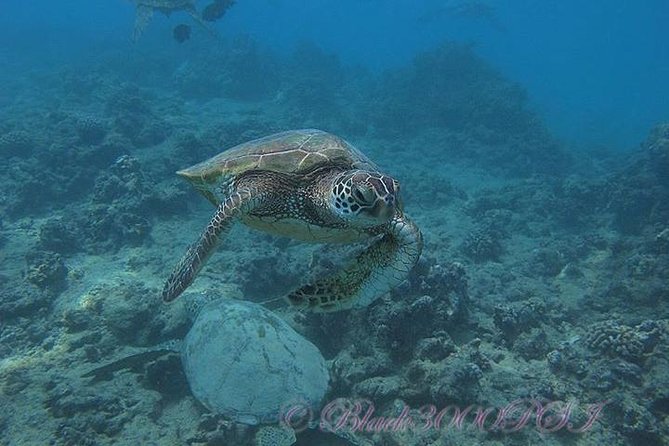
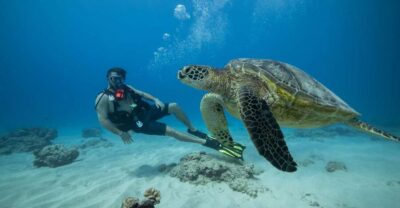
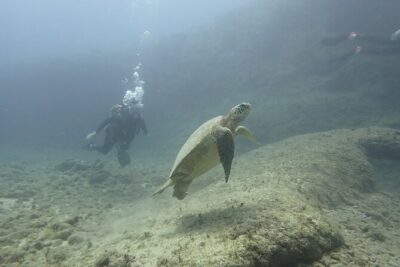
This outing markets giant sea turtles as the headline, and the sightings you’ll hear about tend to include:
- Sea turtles, sometimes resting on or near the reef and sometimes swimming close to divers
- Eagle rays (including feeding behavior)
- Reef sharks (often mentioned alongside other reef life)
- Eels
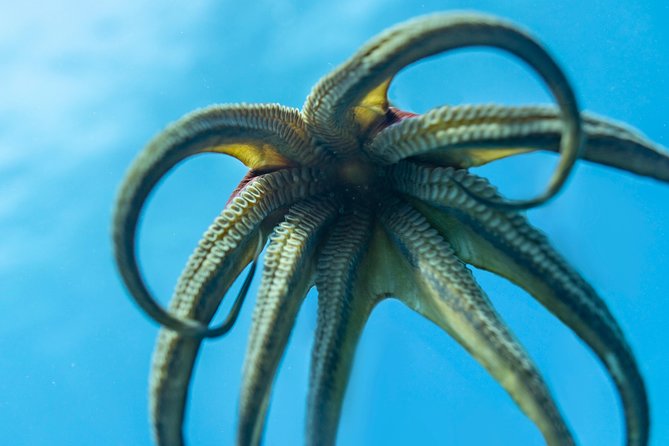
- Octopus
- Small tropical fish and reef-dwelling creatures like urchins and starfish
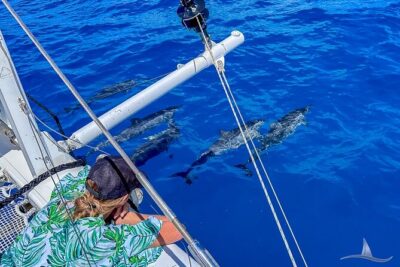
You also have a chance at dolphins sometimes, depending on conditions.
Here’s how to manage expectations without killing the fun: you’re seeing wildlife in the wild. That means you should plan for variety, not guarantee. Even in “great” water, the ocean decides how close animals will come and how often you’ll spot them in time. The best mindset is to watch slowly and follow your instructor’s cues. When you’re new, that’s also how you stay relaxed enough to actually notice what’s around you.
One useful tip from the style of coaching described in the feedback: if you want turtles (or rays), go with the flow. The team may reposition you to where marine life is active. If you rush through the skills or stay tense, you’ll miss opportunities.
More hours out on the swell off Oahu
- Waikiki Glass Bottom Boat Cruise
★ 4.5 · 2,192 reviews - Honolulu: Glass Bottom Boat Tour along Oahu’s South Shore
★ 4.6 · 1,575 reviews - Luxury Snorkel Cruise, Local Buffet with Whale & Dolphin Watch
★ 4.5 · 1,334 reviews - Honolulu: Three Star Deluxe Sunset Dinner Cruise and Show
★ 4.5 · 1,204 reviews - Sunset Dinner Cruise in Honolulu, Hawaii
★ 4.0 · 1,023 reviews
Route Feel: From Waikiki to Lanikai, North Shore, and Hanauma Bay Area
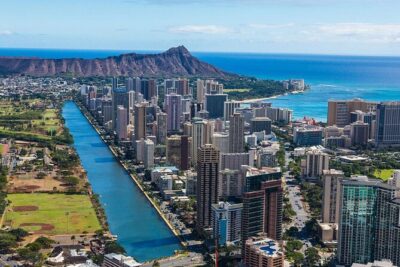
The day is anchored in Waikiki, with a meeting point at 424 Nāhua St, Honolulu. From there, the tour route works its way around well-known Oahu coastal spots—Lanikai Beach, Diamond Head State Monument, and the Hanauma Bay Nature Preserve area show up as part of the overall itinerary sequence.
What does that mean for you in real terms?
- You’ll be starting in the Honolulu/Waikiki area and heading out early enough to make the most of daylight.
- You’ll likely pass through some of the most recognizable coastlines on Oahu as you travel.
- If you’re the kind of traveler who likes seeing coastline scenery even when your main goal is underwater, this format gives you both.
One caveat: the names in the itinerary don’t automatically mean you’ll be “in” those exact locations for the underwater portion. Ocean operations depend on conditions. But the route choice is a good sign—you’re operating in regions of Oahu that are well known for marine life.
Price and Value: Is $299 Worth It?
At $299 per person, this isn’t a bargain-basement add-on. You’re paying for three things that usually cost more than people expect:
- Real equipment rental (not just a mask-and-fins setup)
- Professional instruction and guided underwater time
- A boat outing that puts you out into open ocean habitat
That value makes the most sense if you’re:
- A true beginner who wants proper training and wants to feel safe
- Returning to scuba after a long break and want structure again
- Traveling in a small group where attention from an instructor really matters
If you’re already very experienced and you’re chasing long bottom times, extreme depths, or a big, varied reef route, you might find the “intro” format a bit tame. Multiple accounts describe the sessions as manageable and controlled—exactly the point—but that can be less exciting if you’re used to more demanding underwater plans.
Still, for most first-timers, the equation is simple: if you want to leave Oahu feeling like you learned something real and saw turtles, this price usually lands in the zone of fair.
Weather, Visibility, and the Rainy-Season Reality
Oahu can be gorgeous, but visibility can change fast. One account described rainy-season conditions with about 10–15 feet of visibility, plus a reef experience that felt limited compared to expectations. That doesn’t mean the team fails—it means the ocean conditions didn’t cooperate.
Here’s the practical approach I’d use:
- If you’re visiting during a wetter stretch, build flexibility into your schedule.
- Understand that if conditions are unsafe, the operator may cancel for weather.
- If you do get lower visibility, focus on the creatures you can still see and on practicing the skills you’re there to learn.
Also note: the business emphasizes that safety-driven cancellations happen a lot. One response stated they cancel around 20 days out of the year due to unsafe weather conditions. That’s not comforting news, but it is honest. If you want a stress-free day, schedule it earlier in your trip so you have a chance to reschedule if the ocean says no.
Safety Rules You’ll Want to Plan Around
This tour is very clear about safety boundaries, and you should take them seriously because they affect whether you get in the water at all.
Key points that come straight from the tour info:
- Medical paperwork is required. You’ll complete a health questionnaire, and if you have conditions listed as needing a doctor’s clearance, you must bring a doctor’s consent for check-in.
- No drinking is allowed before the activity. You may be turned away if safety concerns exist.
- Late check-in matters. There’s a 15-minute cut-off, and missing it can cancel your trip without refund.
- You should have moderate physical fitness.
- Don’t book your flights too soon after your tank sessions. The guidance is:
- Avoid flying within 18 hours after shallow sessions (40–60 feet).
- Avoid flying within 24 hours after deeper sessions (60–100 feet), if that’s part of your dive plan.
If you read that and think, That’s a lot, you’re right. But it’s also the difference between a smooth first-time experience and a stressful one.
Getting the Most From Your Day: Practical Advice Before You Go
Here are the small moves that tend to make the biggest difference on a first-timer scuba outing:
- Speak up early. If something about gear or instruction feels unclear, ask before you enter the water.
- Don’t fight the schedule. Some days involve swapping groups or waiting while everyone finishes skills and tank changes.
- Bring the right clothing mindset. You’ll be on a boat and getting changed; have a plan for staying comfortable on deck, not just underwater.
- If you’re prone to motion sickness, consider taking precautions ahead of time since you’re going out offshore.
And if you’re deciding between a shared instructor-led day and a private option, the private instructor route can be ideal when you want less group complexity and more one-on-one attention. The tour info explicitly mentions private instructors as an option if you want even more personalized guidance.
Should You Book This Scuba Intro on Oahu?
I’d book this if you want a guided, beginner-friendly way to experience real open-water scuba with a strong chance of seeing sea turtles—without gambling on sketchy shortcuts. The consistent pattern in the praised experiences is clear: patient coaching, safety focus, and memorable wildlife moments (turtles and rays are the big ones).
I’d hesitate or reconsider if:
- You’re traveling during a rainy window and can’t afford a reschedule.
- You know you can’t handle the paperwork (medical questionnaire and potential doctor’s consent).
- You’re tempted to treat the day like a casual party plan—no alcohol is allowed prior to going in the water.
- You’re an experienced diver looking for a more advanced, varied underwater program.
If your goal is a confident first scuba outing in Hawaii’s waters, this is one of the stronger choices—especially because you’re paying for instruction, not just scenery.
FAQ
How long is the Oahu boat scuba experience?
It’s listed as about 4 hours total.
What’s the price per person?
The price is $299.00 per person.
Do I need any scuba experience to go?
No experience is needed for the beginner intro format. The tour includes instruction with a professional instructor.
What’s included, and what’s not included?
Included: full equipment rental, water, and snacks. Not included: lunch.
Are medical forms required?
Yes. You’ll complete a health questionnaire on a waiver, and if your answers indicate conditions that require it, you must present a doctor’s consent at check-in.
Is alcohol allowed before the trip?
No. The tour requires you to remain sober, and the operator reserves the right to deny participation if safety concerns arise.
How soon can I fly after the shallow or deeper sessions?
The guidance is to avoid flying within 18 hours after shallow sessions (40–60 ft) and within 24 hours after deeper sessions (60–100 ft).
More Tours in Oahu



More Tour Reviews in Oahu

Under Oahu: More Dives
Just Reviewed: More Oahu Tours

Scuba Diving Tours, compared.
 ★ 5.0Beginner Scuba Diving Experience with Video Package in HonoluluFrom $77877 reviews
 ★ 5.0Certified Diver: 2-Tank Deep Wreck and Shallow Reef Dive Off OahuFrom $248331 reviews
 ★ 5.0Certified Diver: 2-Tank Shallow Reef Dives off OahuFrom $141278 reviews
 ★ 4.5Waikiki 2 Tank World Class Wreck SCUBA Diving – Certified OnlyFrom $269205 reviews
 ★ 5.0DISCOVER Scuba Diving Experience in HonoluluFrom $141202 reviews
 ★ 4.8Waikiki Discovery Scuba Diving for BeginnersFrom $27099 reviews
 ★ 4.7Waikiki: Honolulu Beginner Scuba Diving with VideosFrom $7994 reviews
 ★ 5.0Open Water Scuba CertificationFrom $49581 reviews
Where else this tour ranks