
Reviewed · SCUBA DIVING TOURS
Oahu: Wreck & Reef Scuba Dive for Certified Divers
Wrecks in Hawai‘i feel like sci-fi. This small-group scuba tour for certified divers takes you to deep Oahu wrecks and then to a favorite reef area with guidance from PADI-certified professionals. You can choose between the Sea Tiger site and the YO-257 / San Pedro wreck pair, so your day can be built around what you want to see underwater.
I love that the tour is set up for convenience: premier gear and wetsuits are included, plus snacks and refreshments between underwater sessions. The main thing to plan for is that wreck and site choices depend on conditions. If currents or visibility are off, the shallower San Pedro wreck may only happen when conditions are ideal, and the day may feel a bit more variable than a strict, fixed schedule.
In This Review
- Quick hits before you go
- Where the day starts at Unit 109, Kewalo Basin area
- The charter boat setup: more comfortable surface time than you might expect
- Two wreck options, and how to pick what matches your mood
- Sea Tiger: deeper wreck with lots of structure
- YO-257 and San Pedro: a pair with condition-based timing
- What to expect underwater: wildlife, wreck details, and realistic goals
- The wreck life: sharks, turtles, rays, and schools of fish
- The wreck structure: multiple depths change the feel
- The second stop: a guided reef favorite after a surface interval
- Why that reef stop is great value for certified divers
- Gear, wetsuits, and what you should bring to avoid a last-minute headache
- Timing, depth readiness, and the “don’t fly yet” rule
- Price and value: is $248 fair for what’s included?
- Language on the boat: why English matters for safety
- Who this tour fits best (and who should choose something else)
- Should you book this Oahu wreck-and-reef scuba tour?
- FAQ
- How long is the Oahu wreck-and-reef scuba tour?
- How much does it cost?
- Where do I meet the tour?
- What wreck sites are available?
- Is this tour for certified divers only?
- What’s included in the price?
- What should I bring?
- Can I fly after the scuba session?
- Is free cancellation available?
Quick hits before you go
- Sea Tiger is a deep wreck highlight: the ship rests in 123 feet, with portions of the structure and deck showing at 60–90 feet.
- YO-257 and San Pedro sit side by side: about 50 yards between them, with YO-257 deeper and San Pedro shallower and more current-prone.
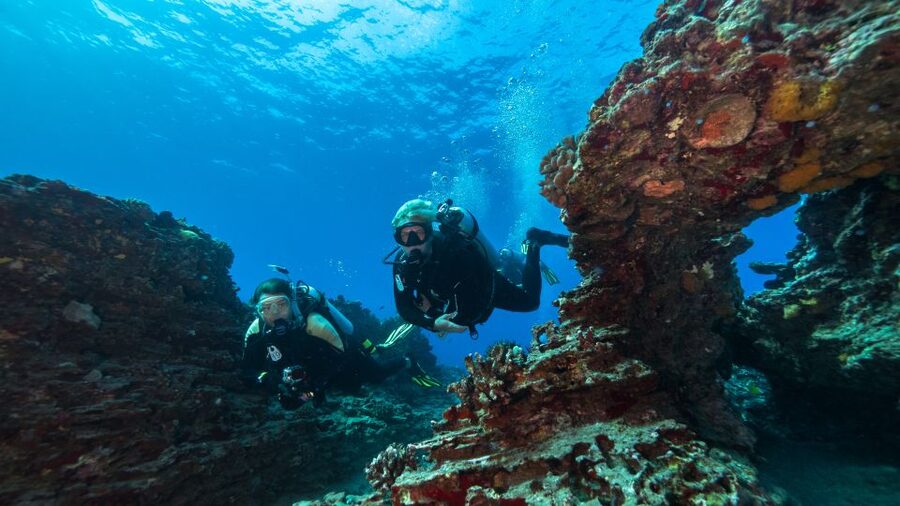
- You’re not just looking at metal: you’ll aim for wildlife sightings like whitetip reef sharks, turtles, eagle rays, moray eels, and schools of fish.
- Boat comfort matters: sun deck, shaded deck, and a restroom on board keep the surface time more pleasant.
- Snacks and refreshments are part of the rhythm: you get a surface interval with water + small bites before the next stop.
Where the day starts at Unit 109, Kewalo Basin area
The meeting point is Unit 109 at the Harbor. That’s one of those details that affects how smooth your morning feels—arrive early because you’ll need time for waivers and equipment fitting. If you’re the type who hates rushing, give yourself an extra cushion.
Parking is workable if you plan ahead. You can park at Kewalo Basin for $2 an hour, or you can use Ala Moana Beach Park for free parking. If you’re staying nearby, it’s also worth checking what’s easiest on your feet. This isn’t a shuttle situation; you’ll be responsible for getting to the harbor on time.
Down to the wrecks and reefs off the island
- Beginner Scuba Diving Experience with Video Package in Honolulu★ 5.0 · 877 reviews
- Certified Diver: 2-Tank Deep Wreck and Shallow Reef Dive Off Oahu★ 5.0 · 331 reviews
- Incredibly Fun Coral Reef Giant Sea Turtles 4hour Boat Scuba Tour★ 4.5 · 300 reviews
- Certified Diver: 2-Tank Shallow Reef Dives off Oahu★ 5.0 · 278 reviews
The charter boat setup: more comfortable surface time than you might expect
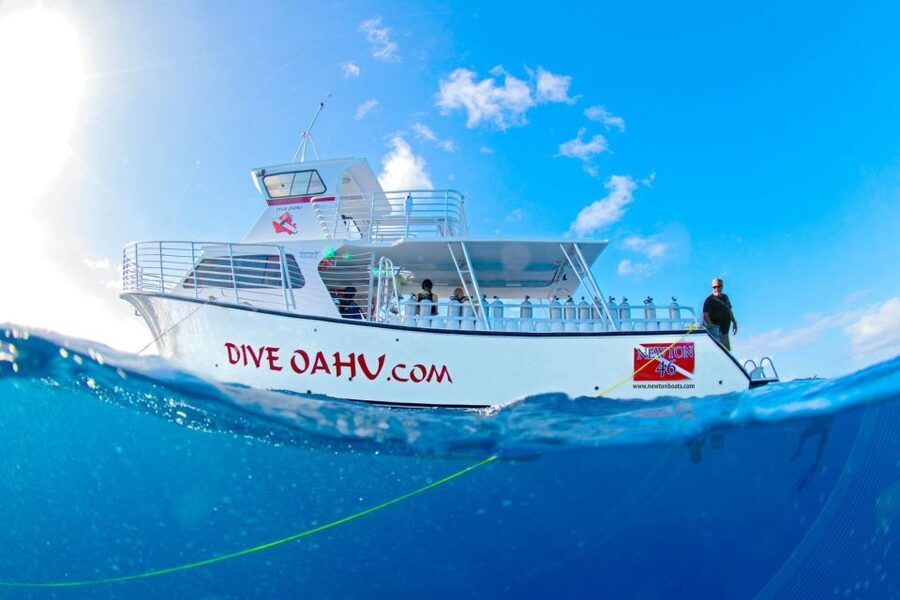
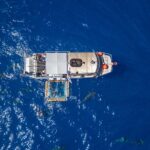
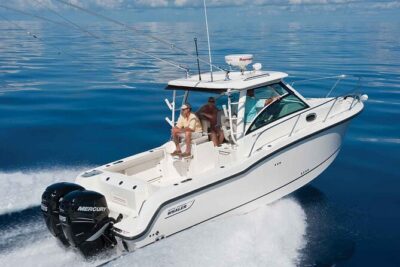
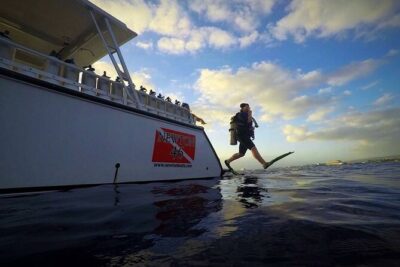
This tour is run from a fully equipped charter boat with a sun deck and a shaded deck. That matters because even when you’re excited to get underwater, the time between sessions adds up. Having shade if the sun is strong—and room to move around on deck—makes the “waiting part” feel less like waiting.
You’ll also find a restroom on board. On a 3-hour outing, that sounds like a minor perk, but it’s the kind of comfort that prevents stress and keeps the day feeling easy.
Two wreck options, and how to pick what matches your mood
You get to choose between wreck routes for your first underwater stop:
- Sea Tiger
- YO-257 and San Pedro (the twin-ship pair)
Sea Tiger: deeper wreck with lots of structure
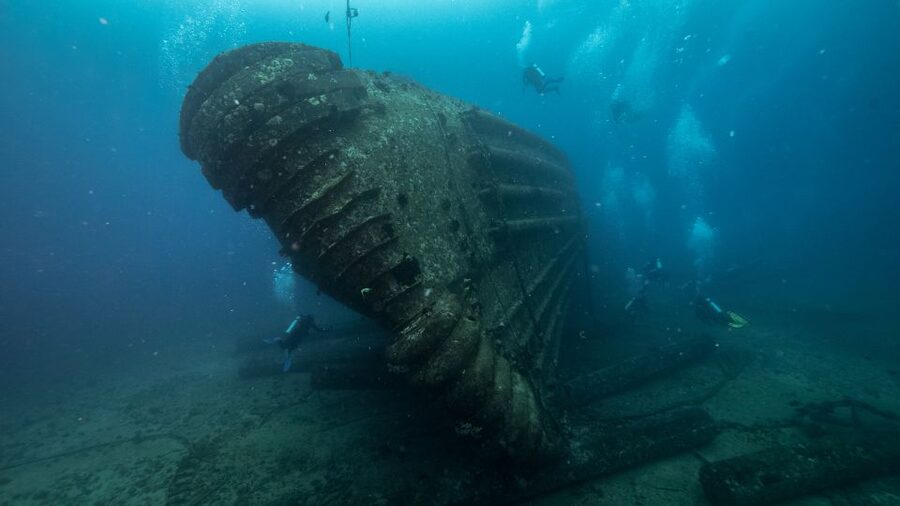
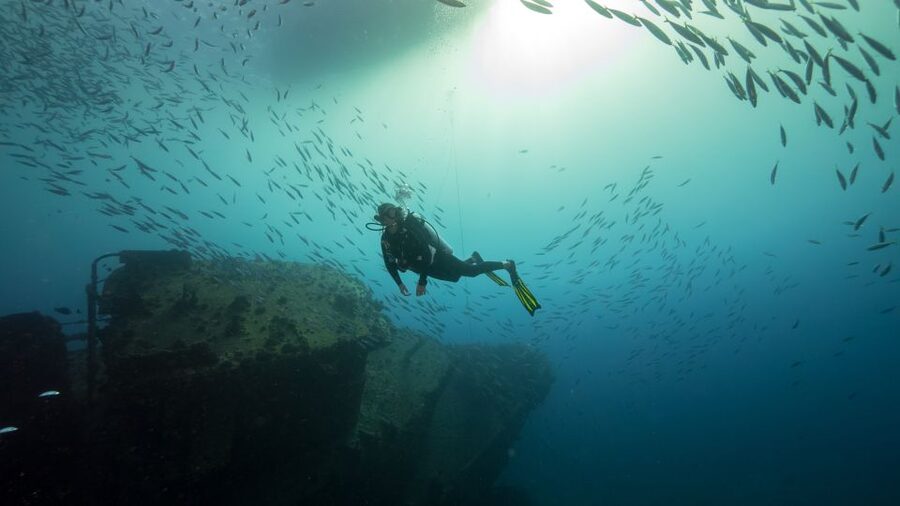
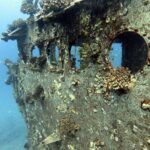
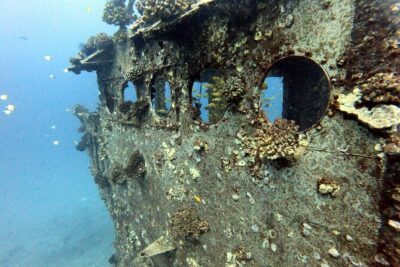
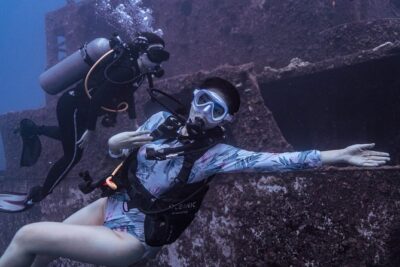
Sea Tiger is a former trading vessel. The ship rests in 123 feet of water, while the superstructure and deck are at depths around 60–90 feet. That depth profile is a big reason people come here. You’re not limited to a single feature on the bottom—you can encounter parts of the wreck at multiple depths, which often makes the dive route feel more interesting.
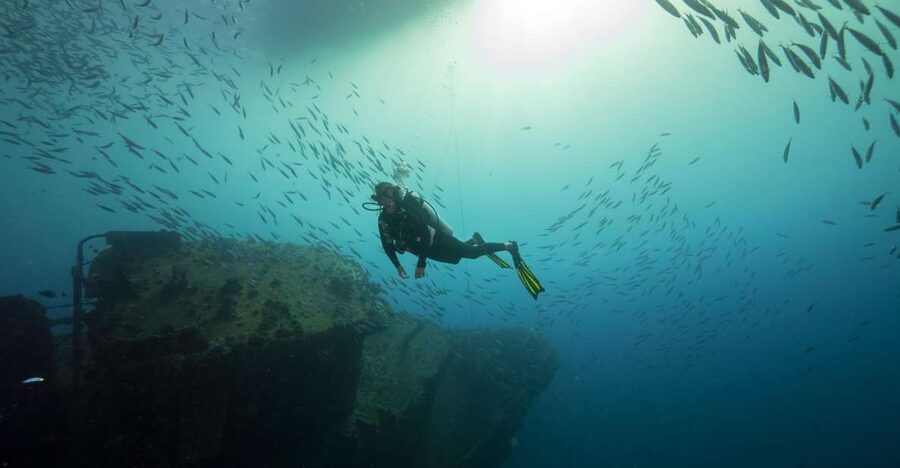
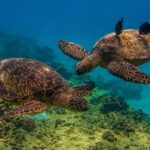
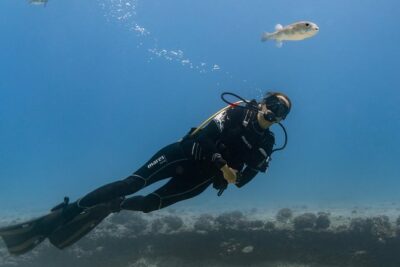
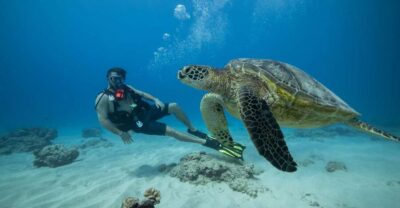
On Sea Tiger, you’ll want to keep your eyes busy for wildlife such as resident whitetip reef sharks, sea turtles, moray eels, eagle rays, and massive schools of fish. In one example from the recent experience notes, a diver started on Sea Tiger and saw a large turtle on the ship, plus a small shark near the bottom area of the boat. Those kinds of sightings are exactly why wrecks can beat plain reef.
A few more Oahu tours to weigh up before you book:
- Shark Cage Diving on Oahu’s North Shore
★ 5.0 · 1,391 reviews - Shark Cage Diving On “The World Famous North Shore of Oahu”, Hawaii
★ 5.0 · 222 reviews - DISCOVER Scuba Diving Experience in Honolulu
★ 5.0 · 202 reviews - Oahu Open Water Shark Diving Experience
★ 5.0 · 128 reviews - Oahu: Waikiki Discovery Scuba Diving for Beginners
★ 4.8 · 99 reviews
YO-257 and San Pedro: a pair with condition-based timing
The YO-257 and San Pedro wrecks are two other recreational wreck sites where the ships lie side by side with about 50 yards between them. YO-257 rests in 115 feet, while its superstructure and deck show at about 70–90 feet. San Pedro is shallower, and that comes with a trade-off: it can experience strong currents, and it’s only dived when conditions are ideal.
If you’re a diver who likes options and variety in a single outing, the twin-ship route has appeal. You’re effectively choosing two targets that give different depth and flow behavior. Just don’t assume you’ll always get the shallower one—this operator explicitly adjusts based on conditions.
What to expect underwater: wildlife, wreck details, and realistic goals
This is a recreational scuba tour for certified divers, so the focus is on fun, variety, and seeing life up close—not training.
The wreck life: sharks, turtles, rays, and schools of fish
The tour information points to a strong chance of wildlife around the wrecks:
- Whitetip reef sharks
- 6-foot sea turtles (described as a target sighting)
- Moray eels
- Eagle rays
- Massive schools of fish
In the better experiences, the recurring theme is exactly that: lots of life, not just scenery. One diver described starting on Sea Tiger and seeing a big turtle calmly resting on the wreck, plus a small shark near the bottom. Another described a turtle that stayed curious and followed along with the guide near the wreck route. If you’re the kind of diver who loves slow, watchful moments, those are the days you’ll remember.
The wreck structure: multiple depths change the feel
Because the wrecks include portions at different depths, your underwater experience can feel less like a single straight line and more like a series of “micro-scenes.” Even if you’re not searching hard, the structure encourages natural stops: edges, openings, and areas where currents and fish activity do their thing.
Just keep your expectations grounded. A wreck isn’t a guarantee for every species every minute. Your best strategy is to treat it like a guided wildlife hunt over a built environment—pay attention, stay calm, and let the life come to you.
The second stop: a guided reef favorite after a surface interval
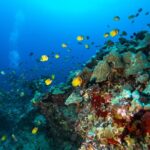
After the wreck part of the day, you’ll enjoy a relaxing surface interval with refreshments and snacks on board. Then it’s time for a guided tour of 1 of Honolulu’s favorite reef sites.
That second stop is where the tour broadens out beyond wreck-specific features. The information you’re given suggests you may see:
- sharks
- turtles
- eels
- rays
- octopus
- starfish
- crabs
- Hawaiian endemic fish
- dolphins
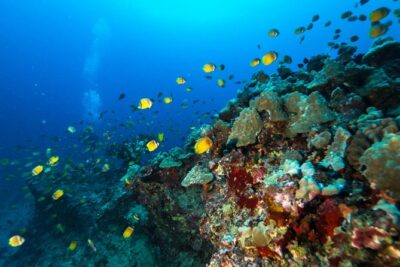
A recent note also named Kewalo Pipe as one reef area where a diver saw lots of fish and another turtle that seemed interested enough to follow along with the guide. Since reef sites can vary, don’t lock your expectations to a single name—but it’s a useful clue that the reef component can be lively, not just a short check-box stop.
Why that reef stop is great value for certified divers
If you only did a wreck route, you might come home with one theme. With a reef follow-up, you get two ecosystems in one morning. Even when the wreck route is the star, the reef stop often helps you remember the whole day as a mix of built structure plus natural habitat.
Gear, wetsuits, and what you should bring to avoid a last-minute headache
The biggest convenience: premier gear rental is included, and wetsuits are provided at no additional cost. That’s a real value point, especially if you’re visiting and don’t want to deal with renting and transporting your own kit.
What you still need to bring:
- Swimwear
- Towel
- Sunscreen
- Diving certification
You also must show proof of certification through PADI or another approved diving course before boarding the boat.
One practical tip: sunscreen can be a big deal on a boat morning. Even with shade available, you’ll still spend time topside in strong Hawaiian light. Bring enough, and apply before you get too comfortable.
Timing, depth readiness, and the “don’t fly yet” rule
This tour runs about 3 hours, so it’s not a half-day marathon. That time constraint is one reason this kind of itinerary works well for divers with limited vacation time.
You should also be prepared for depth expectations. Sea Tiger’s wreck sits in 123 feet, and YO-257 sits in 115 feet, with structures showing at shallower depths. If your training or comfort level doesn’t match those profiles, you’ll want to think carefully before booking.
Safety and logistics expectations are clear:
- Divers should be in good health and able to swim.
- Pregnant women aren’t suitable.
- Children under 15 aren’t suitable.
- Divers should be at the boat harbor 30 minutes early for waivers and fitting.
- After your underwater session, you should not fly for 24 hours.
That last point matters more than people think. Even if you’re only doing one morning outing, it can affect your flight schedule the next day.
Price and value: is $248 fair for what’s included?
At $248 per person for a 3-hour outing, the price can feel steep if you compare it to bargain snorkel tours. But the way this experience is packaged changes the math.
Here’s the value story:
- You get premier gear rental included.
- Wetsuits are included with no additional cost.
- You get guided instruction from PADI-certified professionals.
- Snacks and refreshments are included.
In other words, you’re paying for a guided, equipment-supported underwater day—not just access to a boat. If you would otherwise have to rent a full setup and handle wetsuit logistics yourself, this pricing tends to look more reasonable.
The only caution on value is variability. One less-satisfying experience described disappointment around timing and wreck viewing. That isn’t something you should assume will happen to you, but it is a reminder that the ocean runs the show. If conditions limit site access, your actual experience might shift.
Language on the boat: why English matters for safety
Instruction is in English. One recent note emphasized that you should speak at least some English and follow the safety instructions well. Even if you’re confident underwater, on a moving boat with gear fitting and pre-water briefings, clear communication helps everything go smoother.
If English isn’t your strong suit, you might still manage—just plan to review the basics and listen carefully during the briefing.
Who this tour fits best (and who should choose something else)
This experience is a strong match if you:
- are a certified diver looking for wreck-focused variety
- want wildlife sightings like turtles, rays, and sharks
- value included gear and wetsuits
- like the mix of wreck time plus a reef stop
- don’t mind that site choices may adapt to conditions
It may be less ideal if you:
- want only very shallow, easy conditions (San Pedro can have strong currents and is only used when conditions are right)
- have limited ability to handle boat water movement and changing conditions
- are traveling with anyone who doesn’t meet the age or health requirements
Should you book this Oahu wreck-and-reef scuba tour?
Book it if you want a guided, equipment-supported underwater morning built around two major wreck themes: Sea Tiger or the YO-257 / San Pedro pair, followed by a reef stop where you can look for turtles, rays, eels, octopus, and more. The included gear + wetsuit component is a real time and cost saver, and the boat setup (shade, sun deck, restroom) keeps the surface time sane.
Skip it or rethink the fit if you’re counting on a precise wreck schedule no matter the conditions. The ocean can change plans, especially for the shallower San Pedro wreck with its current risk. If you’re flexible and you’re comfortable with the depth expectations implied by these sites, this is the kind of outing that tends to leave divers talking about the animals they saw and the scale of what they explored.
FAQ
How long is the Oahu wreck-and-reef scuba tour?
The duration is about 3 hours.
How much does it cost?
The price is $248 per person.
Where do I meet the tour?
Meet at Unit 109 at the Harbor. Parking options are Kewalo Basin for $2 an hour or Ala Moana Beach Park for free parking.
What wreck sites are available?
You can choose between Sea Tiger, or the YO-257 and San Pedro wrecks.
Is this tour for certified divers only?
Yes. All divers must show proof of certification through PADI or another approved diving course before boarding.
What’s included in the price?
Premier gear rental, a guided tour by a PADI certified instructor, and snacks and refreshments are included.
What should I bring?
Bring swimwear, a towel, sunscreen, and your diving certification.
Can I fly after the scuba session?
No. You should not be flying within 24 hours after diving.
Is free cancellation available?
Yes. You can cancel up to 24 hours in advance for a full refund.
More Scuba Diving in Oahu
More Tour Reviews in Oahu

Under Oahu: More Dives
Just Reviewed: More Oahu Tours
Scuba Diving Tours, compared.
 ★ 5.0Beginner Scuba Diving Experience with Video Package in HonoluluFrom $77877 reviews
 ★ 5.0Certified Diver: 2-Tank Deep Wreck and Shallow Reef Dive Off OahuFrom $248331 reviews
 ★ 4.5Incredibly Fun Coral Reef Giant Sea Turtles 4hour Boat Scuba TourFrom $299300 reviews
 ★ 5.0Certified Diver: 2-Tank Shallow Reef Dives off OahuFrom $141278 reviews
 ★ 4.5Waikiki 2 Tank World Class Wreck SCUBA Diving – Certified OnlyFrom $269205 reviews
 ★ 5.0DISCOVER Scuba Diving Experience in HonoluluFrom $141202 reviews
 ★ 4.8Waikiki Discovery Scuba Diving for BeginnersFrom $27099 reviews
 ★ 4.7Waikiki: Honolulu Beginner Scuba Diving with VideosFrom $7994 reviews
Where else this tour ranks