
Reviewed · SCUBA DIVING TOURS
Oahu: Shallow Reef Scuba Dive for Certified Divers
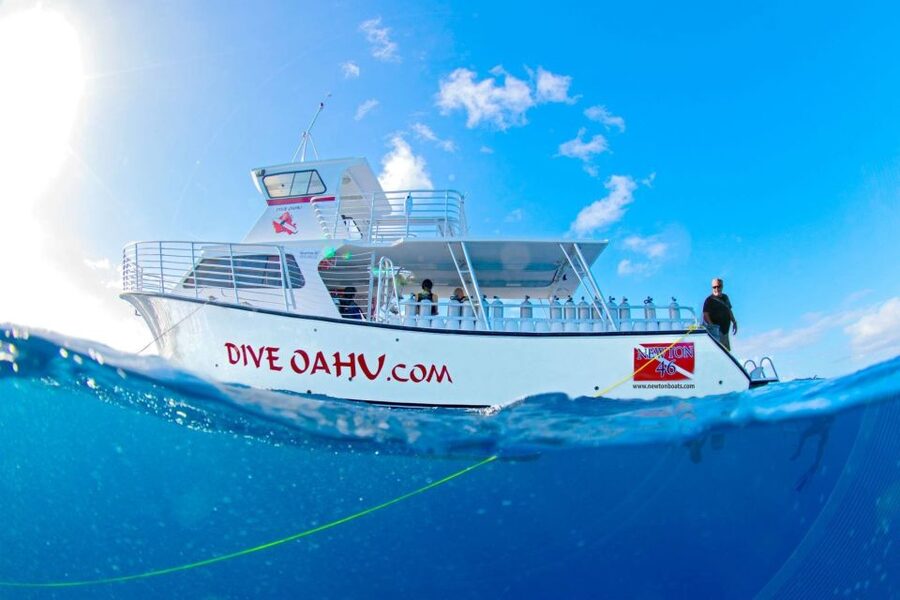
A shallow-reef scuba trip is the fastest way to see Oahu’s underwater life up close. What makes this one fun is the combo of two guided reef sessions and a team that keeps things organized and calm, from your safety briefing to your time in the water. I especially like that you’re on a proper 46-foot Newton boat with the comforts that matter when the day gets choppy, and that you can look for recognizable critters at reefs like Kaisers and Turtle Canyons. One consideration: you need to be a certified diver, able to swim, and comfortable following instruction in English.
If you’re planning around timing, the schedule is straightforward: you’ll start from the Ala Moana area, do a briefing, then get two separate blocks in the water with guidance. The possible drawback is simple—this trip is not set up for kids under 10 or for pregnant passengers, so it’s best for adults and responsible teen divers.
In This Review
- Key highlights that make this Oahu reef tour worth your time
- Ala Moana start and getting sorted fast
- Safety briefing: what you’re signing up for
- Reef stop one: Kaisers and the value of shallow, guided time
- Reef stop two: Turtle Canyons and the sea turtle odds
- Wildlife spotting and the human factor on board
- Snorkeling + scuba blocks: how the schedule feels in real life
- Gear rental and boat comforts you’ll actually notice
- Price and what $248 really buys you
- Who should book this tour (and who should skip it)
- Practical tips so your day goes smoothly
- Should you book this Oahu shallow reef scuba tour?
- FAQ
- How long is the scuba experience?
- Where is the meeting point?
- Is scuba certification required?
- What reef sites will you visit?
- What’s included in the price?
- Is snorkeling included, or is it only scuba?
- Are add-ons available?
- Do I need to avoid flying after the activity?
- Who is the tour not suitable for?
Key highlights that make this Oahu reef tour worth your time
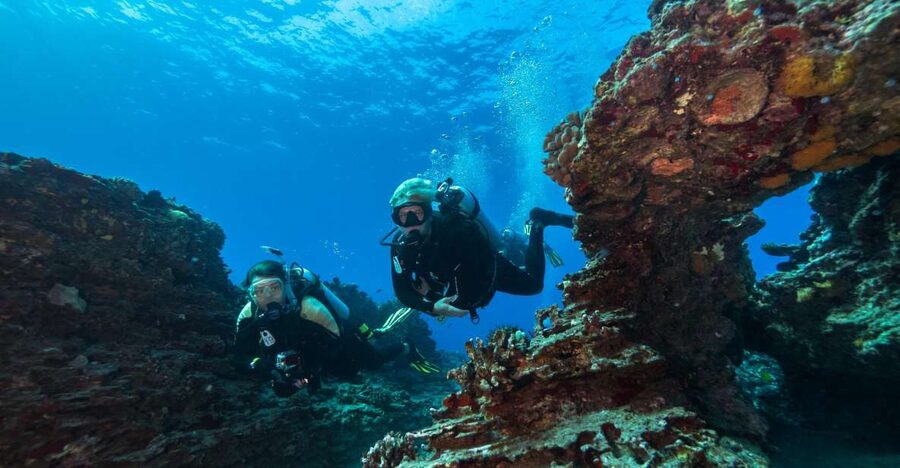
- Two reef stops for certified divers so you get more chances at turtles, rays, and reef fish
- PADI-certified instruction with a crew known for keeping everyone safe and on track
- Kaisers and Turtle Canyons reef formations that are well-suited to shallow, wildlife-rich exploring
- Strong equipment reputation plus the convenience of included gear rental
- Add-ons available like GoPro rental, Nitrox tanks, and underwater scooter (DPV) if you want extras
- A captain and instructor combo you’ll feel through attentive spotting and good group control
Ala Moana start and getting sorted fast
This experience begins at the Dive Oahu location in the Ala Moana area. The practical win here is that you’re not fighting your way across the island for a long pickup. You drive in, park near Kewalo Basin (paid) or use Ala Moana Beach Park (free), then get moving.
Plan to arrive about 30 minutes early. That buffer isn’t just busywork—it’s for waivers and equipment fitting, which helps your scuba session start on time. If you’ve ever watched someone scramble into fins at the last second, you’ll appreciate that this setup tries to prevent that.
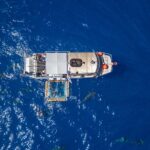
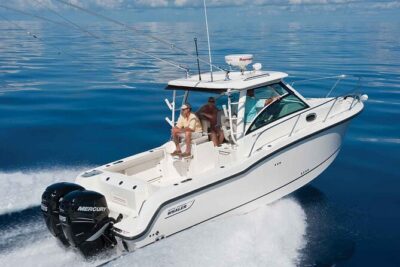
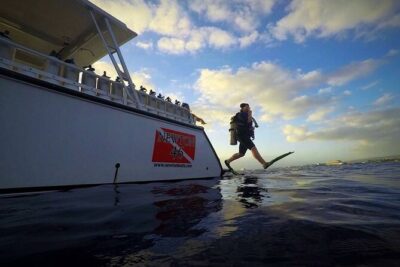
Once onboard, you’re on one of Dive Oahu’s 46-foot Newton boats. Boats this size tend to ride better than small skiffs, and they usually provide enough space for gear handling without everyone crowding the same ladder. That matters more than people think, especially on days when the water has attitude.
Down to the wrecks and reefs off the island
- Beginner Scuba Diving Experience with Video Package in Honolulu★ 5.0 · 877 reviews
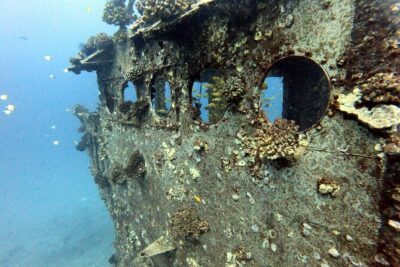
- Certified Diver: 2-Tank Deep Wreck and Shallow Reef Dive Off Oahu★ 5.0 · 331 reviews
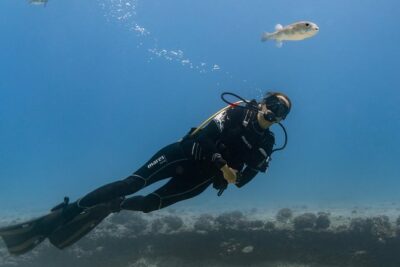
- Incredibly Fun Coral Reef Giant Sea Turtles 4hour Boat Scuba Tour★ 4.5 · 300 reviews
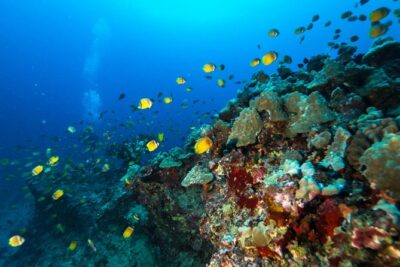
- Certified Diver: 2-Tank Shallow Reef Dives off Oahu★ 5.0 · 278 reviews
Safety briefing: what you’re signing up for
Before you enter the water, you’ll get a 25-minute safety briefing. That’s not the fun part, but it’s the part that keeps the rest of your day smooth.
Here’s what you should take seriously:
- You must show proof of your certification (PADI or another approved course).
- You need to be able to swim and be in good health.
- You must understand verbal English instruction from the instructor.
- You must not fly within 24 hours after the scuba session.
That last point is easy to forget when you’re traveling. If you have a flight the next day, you’ll need to adjust your schedule. It’s a standard rule for good reasons—after scuba, your body needs time.
I also like that the tour is built for people who already know the basics. You’re not paying to be taught how to manage buoyancy from scratch; you’re paying for good water time with guided reef exploring.
Reef stop one: Kaisers and the value of shallow, guided time
Your day includes two reef stops, each with guided underwater time. Kaisers is one of the reefs you’ll target, and it’s a strong match for a shallow setup.
Why shallow reefs are a sweet spot for many certified divers:
- You can focus more on marine life than on chasing depth goals.
- You’ll often spend more of your bottom time calmly watching behavior rather than working through complicated conditions.
- You can enjoy the scenery—volcanic reef shapes and reef edges that funnel wildlife through predictable areas.
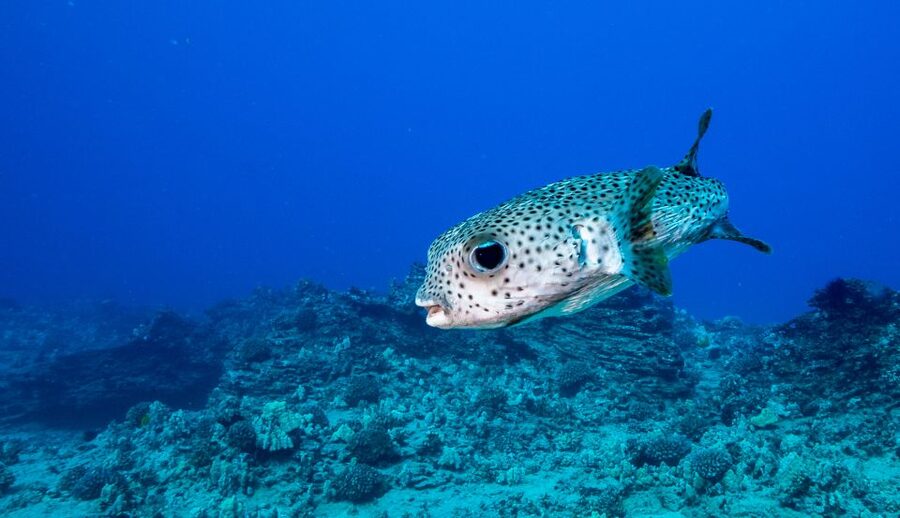
From the details provided, your guided experience is designed around reef formations and reef wildlife. You might see tropical fish and larger animals that use these areas for food and shelter.
One small, smart thing to remember: for reef life, patience beats panic. If you swim fast looking for the next animal, you miss the slow moments—like a turtle cruising or a ray settling into position. With a guide leading the route, you’ll spend more time where the wildlife is most likely to show up.
Reef stop two: Turtle Canyons and the sea turtle odds
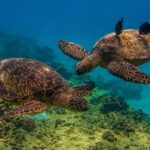
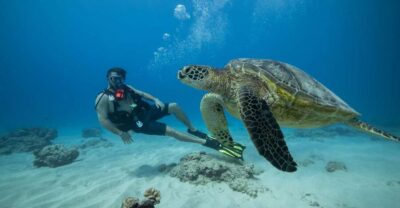
The second reef stop is Turtle Canyons, and it’s the one that draws people in for a reason: it’s a place you can reasonably expect Hawaiian green sea turtles.
The attraction isn’t just seeing turtles—it’s seeing them in the context of a reef. Turtle Canyons involves reef formations shaped by volcanic activity, which helps create structure and habitat. The result is a reef you can actually “read” underwater: coral and rock features where animals feed, rest, and move along edges.
Wildlife possibilities listed for this route include:
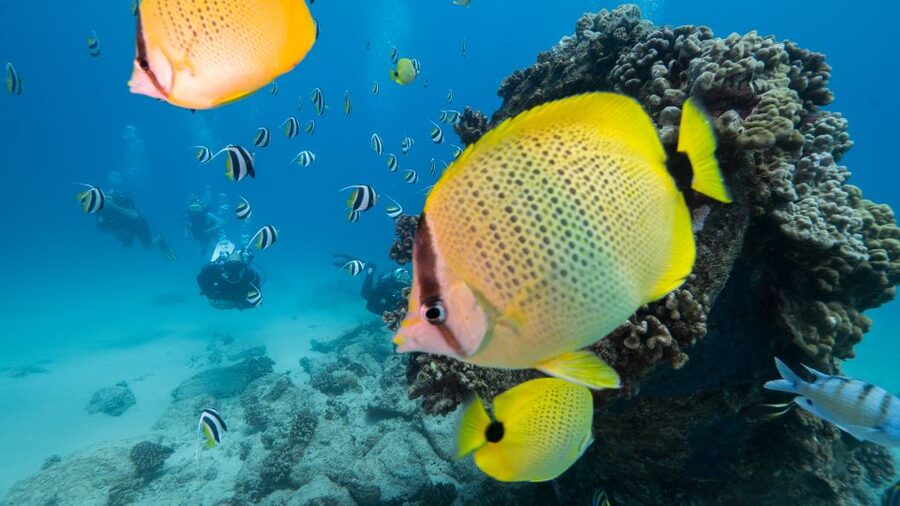
- Hawaiian green sea turtles
- Reef fish such as Gold Ring Surgeon Fish
- Other reef sightings like octopus and dolphins (depending on conditions)
Some people also connect this trip with the chance to spot bigger reef animals. One example from the experience details includes reports of white-tip reef sharks along with plenty of turtles. Even if you don’t see sharks every time, the key is that the reefs here are known for marine life, and the guides are clearly tuned to spotting it.
A few more Oahu tours to weigh up before you book:
- Shark Cage Diving on Oahu’s North Shore
★ 5.0 · 1,391 reviews - Shark Cage Diving On “The World Famous North Shore of Oahu”, Hawaii
★ 5.0 · 222 reviews - DISCOVER Scuba Diving Experience in Honolulu
★ 5.0 · 202 reviews - Oahu Open Water Shark Diving Experience
★ 5.0 · 128 reviews - Oahu: Waikiki Discovery Scuba Diving for Beginners
★ 4.8 · 99 reviews
Wildlife spotting and the human factor on board
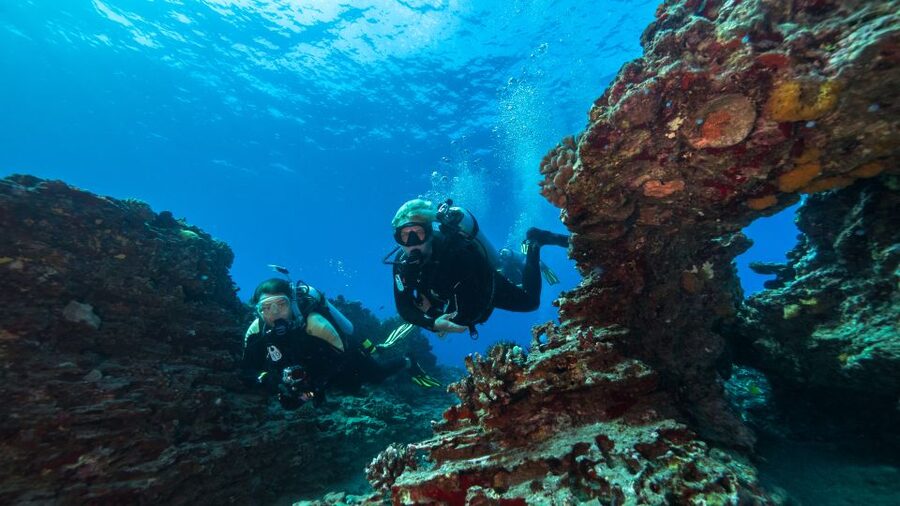
A lot of scuba experiences sell wildlife. The difference here is that the operation is organized and attentive, not just promotional.
In the information you provided, the captain Nacho and instructor Dan are specifically credited with taking good care of people and acting as strong spotters for sea life. That matters because reefs are busy, and wildlife can be easy to miss if you’re watching only your own gear and buoyancy.
So instead of white-knuckling your attention trying to track everything, you can let the guide handle the search. Then you focus on being a good reef guest: slow movements, controlled breathing, and no kicking into coral.
If you’re the type who likes learning while doing, you’ll also benefit from the instructor’s ability to keep the group together and explain what you’re seeing in the moment.
Snorkeling + scuba blocks: how the schedule feels in real life
The day runs about 3 hours total, with a typical structure that looks like:
- Start at Dive Oahu / Ala Moana
- Briefing (25 minutes)
- Guided underwater time (75 minutes)
- Guided underwater time (75 minutes)
- Return to the same starting point
That’s a compact schedule, which is great on Oahu when you’re juggling other plans. It also means the crew is geared for efficiency: kit on, water time on, kit off, back on land while you still have energy.
One detail to note: the itinerary mentions snorkeling alongside the scuba blocks. Even if you’re here primarily for scuba, snorkeling time can be a nice way to reset your eyes, watch surface behavior, and enjoy the water color before you go deeper. (You’ll just want to listen carefully to the plan so you don’t miss your assigned group time.)
Gear rental and boat comforts you’ll actually notice
This trip includes premier gear rental, plus snacks and refreshments. That’s value, because getting tank rental and a full kit adds up fast when you do it separately.
You’ll also appreciate that the boat provides the basics for a smoother day:
- time to fit and check equipment before the session starts
- space to store gear so you aren’t stacking wet items in the wrong place
You’ll see in the experience details that equipment is described as very good. I look at that as a practical quality marker: if gear is maintained and properly sized, you spend less time fixing problems and more time enjoying reef life.
Price and what $248 really buys you
At $248 per person for a 3-hour outing, the price lands in the range of a guided, instructor-led, gear-included half-day activity. The value equation here comes from three things you don’t want to assemble yourself:
- PADI-certified instructor guidance
- gear rental
- two guided reef stops with meaningful underwater time
If you’re comparing to a cheaper option, the key difference is usually guidance quality and reef access. If you’re certified, you’re not just paying for equipment—you’re paying for the route, the spotting, and the safety management.
If you want to make the day more personal, there are add-ons you can request while booking, including:
- GoPro rental
- DPV underwater scooter rental
- Nitrox tank rental
- a private guide
- a private photographer
These add-ons can make sense if you’re documenting the trip or want extra range of movement underwater. If you’re happy with your standard setup and just want the best odds at turtles and reef fish, you can keep it simple and go with what’s included.
Who should book this tour (and who should skip it)
This is built for certified divers—not brand-new beginners. You’ll need certification proof and you must be able to swim and understand English instruction.
It’s also not suitable for:
- children under 10
- pregnant women
Wheelchair accessibility is listed as available, which is a helpful signal for people who need that consideration. The best move is to ask what “accessible” means on the specific boat day (for example, boarding steps and in-water options), but the fact that it’s noted is a good starting point.
This trip is a strong fit if you:
- want shallow reefs with lots of wildlife viewing opportunities
- prefer guided routes that help you spot animals rather than searching alone
- have limited time in Honolulu and want a compact outing from Ala Moana
If you’re someone who hates rules and checklists, you might find the safety expectations a bit strict. But if you want to feel looked after while still enjoying your own diving skills, that structure is a plus.
Practical tips so your day goes smoothly
A few small things can make a big difference:
- Bring swimwear, a towel, sunscreen, and your diving certification.
- Plan for the 30-minute early arrival so you’re not rushing through waivers and fitting.
- If you’re sensitive to sun, sunscreen and a thoughtful strategy matter more than people expect, since you’ll be out on the water before and between sessions.
- Keep flying plans in check. Don’t schedule a flight within 24 hours of scuba.
Also, treat the reef gently. The guides help you find wildlife, but your control in the water is what keeps coral safe and animals behaving naturally.
Should you book this Oahu shallow reef scuba tour?
I’d book this if you’re a certified diver who wants a guided, efficient reef day from the Ala Moana area with quality gear and an instructor team that focuses on safety and spotting wildlife. The reefs mentioned—Kaisers and Turtle Canyons—are built for shallow exploring, and the chance to see sea turtles makes it feel like more than just training time.
Skip it if you need beginner instruction, if you have a health or mobility limitation that the team can’t support, or if your schedule involves flying soon after the water time.
If you want an Oahu underwater experience that’s straightforward, well-organized, and geared toward actual reef viewing, this is a solid choice.
FAQ
How long is the scuba experience?
It runs for 3 hours total.
Where is the meeting point?
You meet at Dive Oahu (Ala Moana area).
Is scuba certification required?
Yes. You must show proof of certification through PADI or another approved diving course before boarding.
What reef sites will you visit?
The experience includes popular reef sites such as Kaisers and Turtle Canyons.
What’s included in the price?
Included are a PADI-certified instructor, gear rental, snacks and refreshments, and guided exploration at the reef sites.
Is snorkeling included, or is it only scuba?
Snorkeling is listed alongside the guided scuba time in the schedule.
Are add-ons available?
Yes. You can request add-ons like GoPro rental, DPV underwater scooter, Nitrox tank rental, a private guide, and/or a private photographer.
Do I need to avoid flying after the activity?
Yes. You must not fly within 24 hours after diving.
Who is the tour not suitable for?
It’s not suitable for children under 10 and for pregnant women.
More Scuba Diving in Oahu
More Tour Reviews in Oahu


Under Oahu: More Dives
Just Reviewed: More Oahu Tours


Scuba Diving Tours, compared.
 ★ 5.0Beginner Scuba Diving Experience with Video Package in HonoluluFrom $77877 reviews
 ★ 5.0Certified Diver: 2-Tank Deep Wreck and Shallow Reef Dive Off OahuFrom $248331 reviews
 ★ 4.5Incredibly Fun Coral Reef Giant Sea Turtles 4hour Boat Scuba TourFrom $299300 reviews
 ★ 5.0Certified Diver: 2-Tank Shallow Reef Dives off OahuFrom $141278 reviews
 ★ 4.5Waikiki 2 Tank World Class Wreck SCUBA Diving – Certified OnlyFrom $269205 reviews
 ★ 5.0DISCOVER Scuba Diving Experience in HonoluluFrom $141202 reviews
 ★ 4.8Waikiki Discovery Scuba Diving for BeginnersFrom $27099 reviews
 ★ 4.7Waikiki: Honolulu Beginner Scuba Diving with VideosFrom $7994 reviews
Where else this tour ranks