
Reviewed · NORTH SHORE & HALEIWA
Beginner Surf Lesson in North Shore, Oahu
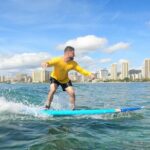
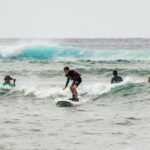
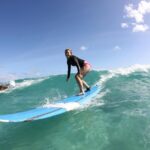
Learning to surf happens fast here. And it happens with real coaching. This beginner lesson on Oahu’s North Shore is built for first-timers, right at Puaʻena Point Beach Park near Haleiwa, where the vibe is active and the scenery is pure beach life. I love that you get most of the key gear included (board, leash, rash guard, fins, life jacket) so you’re not scrambling before you even start. I also like the small-group feel, with up to 10 people, which helps you get more hands-on feedback when you’re learning the basics.
The one drawback to plan for is simple: you’re on ocean time. You’ll spend energy out there, and if conditions are a little choppy or you’re tired, it can affect how quickly you feel confident.
In This Review
- Key highlights at a glance
- Puaʻena Point Beach Park: where your first waves start
- What’s included: the gear that removes stress
- The 2-hour group lesson: how your time gets used
- Private lesson vs group: who should choose what
- North Shore ocean moments: sea turtles and real conditions
- The coaching style that makes first-timers stick with it
- Cost and value: why $130 can be a fair deal
- Tips so you actually enjoy the lesson
- Who this surf lesson suits best
- Quick logistics that affect your day
- Should you book this beginner surf lesson on Oahu’s North Shore?
- FAQ
- How long is the beginner surf lesson?
- Where do we meet for the lesson?
- What’s included in the $130 price?
- Is transportation included?
- How big are the groups?
- What’s the language of the lesson?
- What is the cancellation policy?
Key highlights at a glance
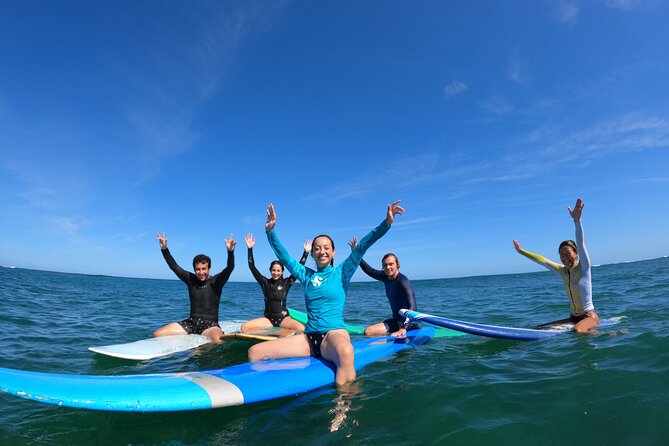
- Puaʻena Point start: Meet at Puaʻena Point Beach Park in Haleiwa, then stay close to the action.
- Beginner-friendly coaching: Open to kids and adults, from zero experience to more advanced levels.
- Included gear kit: Surfboard, leash, fins, rash guard/surf shirt, and a life jacket are provided.
- Small group size: Maximum of 10 travelers for more direct instruction.
- Sea turtle chances: It’s a beach where you can look out for turtles while you’re out there.
- Wave-focused approach: Group lessons run about 2 hours, while private lessons run about 1 hour, with a promise of comparable wave time.
Puaʻena Point Beach Park: where your first waves start
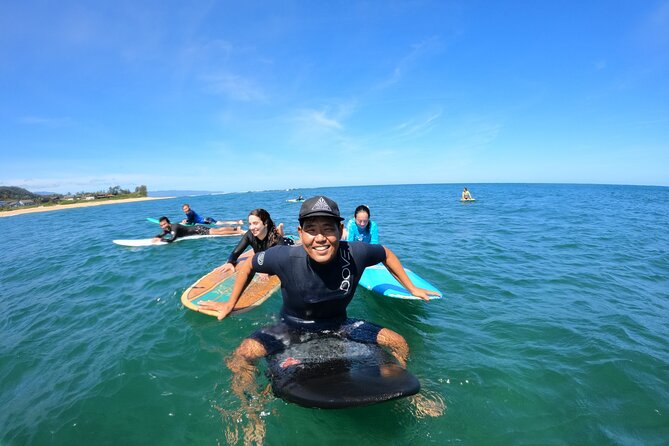
This surf lesson starts at Puaʻena Point Beach Park (Kahalewai Pl, Haleiwa). That matters more than it sounds. When you’re brand new, you want the least friction possible between meeting up and getting into the lesson. You’re not driving around for gear pickup or negotiating a long walk to the water. The format is built for getting you on the board and moving.
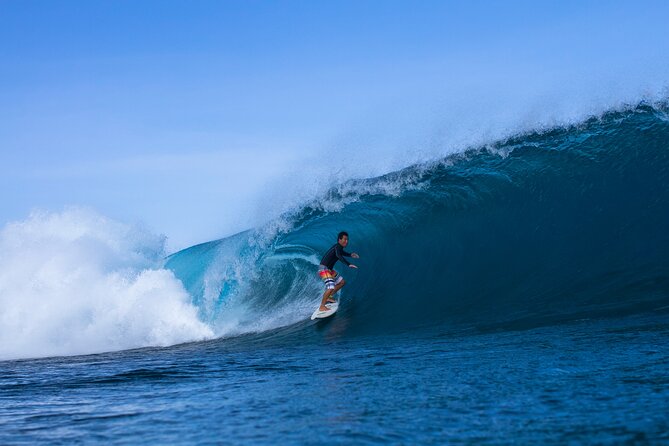
You’re in North Shore territory too. That coastline has that iconic “this is Oahu” energy: big ocean views, waves that actually feel like they belong to the sport, and a beach scene that makes you want to try again after a wipeout. The goal here is not just to stand around watching surfers. It’s a hands-on, learn-by-doing experience.
One more reason this location works for beginners: you can keep your eyes on what’s happening in the water without losing the instructor. Even if you feel nervous, it’s easier when you can quickly understand what the group is doing and what your next step is.
And yes, keep an eye out for wildlife. This beach is known for sea turtles, and part of the fun is that you might spot them while you’re watching sets or heading back to the lineup.
More of the North Shore, from Haleiwa out to Waimea
- Oahu’s North Shore: 8-Line Zipline Adventure★ 5.0 · 3,616 reviews
- Toa Luau at Waimea Valley, Oahu★ 5.0 · 3,350 reviews
- Oahu North Shore Experience: Activities, Waterfall & Free Time★ 5.0 · 1,799 reviews
- Oahu: Shark Cage Dive on the North Shore★ 4.8 · 1,485 reviews
What’s included: the gear that removes stress
Price is one thing, but included gear is where value really shows up for beginners. You’ll have:
- surfboard
- leash
- life jacket
- rash guard / surf shirt
- fins
- surf instructions / guide
If you’ve never surfed, it’s easy to underestimate how helpful that is. Beginners usually need the basics handled for them: the right equipment, a leash that makes sense, and clothing that protects your skin from board contact and sun exposure. When you show up with no plan, you lose time figuring things out. Here, that time gets turned into actual practice.
The life jacket is another smart inclusion. Even if you’re a decent swimmer, surfing teaches balance in moving water. The jacket adds a layer of comfort while you focus on learning the motion: paddling, timing, standing up, and keeping your weight where it needs to be.
The rash guard or surf shirt helps with two real-world issues: comfort and friction. You want to stay in the lesson longer without your skin feeling beat up after the first round.
And the leash and fins are not “extras.” They’re central to safe, stable learning. The leash keeps your board close, and the fins help the board track when you’re figuring out your stance. When you’re learning, stability beats fancy.
The 2-hour group lesson: how your time gets used
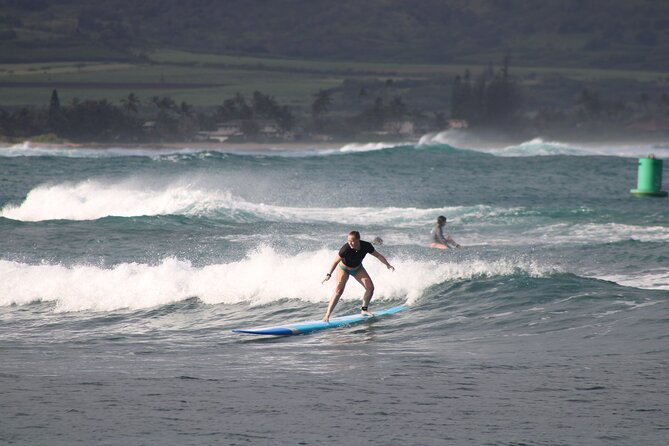
Group lessons run about 2 hours. Private lessons are about 1 hour (just you and the instructor). Either way, the provider says you’ll get just as much wave time. You can treat that as their promise of focus: you won’t be spending the lesson mostly waiting.
Here’s the flow you should expect, in practical terms:
1) Meet and get set up at Puaʻena Point
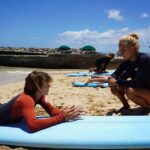
You’ll start at the beach meeting point and get your gear. For beginners, this part is about fitting and getting familiar with what you’ll be wearing and holding.
2) Basic surf instruction and safety guidance
Before you’re out past the point where waves can surprise you, you’ll get coaching on how to handle the board and how to move safely in the water.
3) Practice strokes and paddling
Early surfing success is mostly about timing and paddling efficiency. Even before you stand, you can learn how to position yourself for the next set.
4) Wave attempts with coaching in the moment
When you’re ready, the instruction shifts to real attempts: you paddle, you catch, you stand, and then you learn from what happened. The ocean is the teacher here, and your instructor helps you adjust quickly.
The small-group size (max 10) helps because you’re not just one of many. The instructor can watch for the common beginner mistakes: where your feet land, how your body balances, when you pop up too early or too late, and how to recover after a wipeout.
A key point: this is for total newcomers. The lesson is designed to bring kids, adults, and first-timers into the surf. If you’re worried that you’ll slow the group down, don’t. The structure is built to handle mixed starting points.
Private lesson vs group: who should choose what
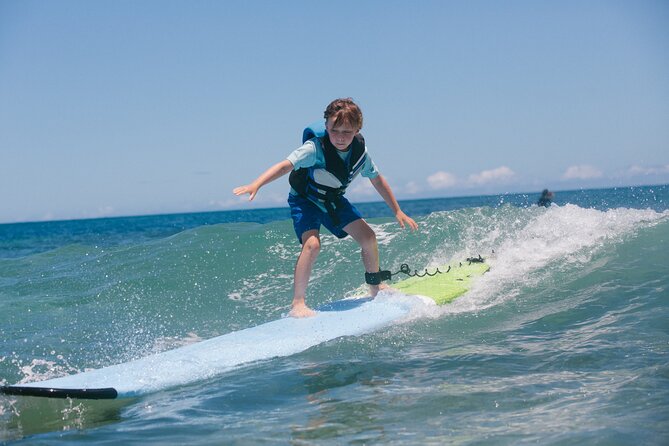
If you can do private, it can feel more comfortable. You get direct attention, and the instructor can tailor the learning to your body and pace. Private is listed as 1 hour, and the provider claims you’ll still get comparable wave time to the group.
So how do you choose?
- Choose the group lesson if you want the social energy and you like the idea of learning next to others at a similar stage.
- Choose the private lesson if you want maximum coaching per minute, especially if you’re anxious about the water or if your group includes a wide range of ages and comfort levels.
Either way, the focus stays on waves. This isn’t a photo-only excursion. It’s a “you’re actually surfing” lesson.
Catch the gentle Waikiki rollers, more lessons
- Open Group Surfing Lesson in Waikiki, Hawaii
★ 4.5 · 582 reviews - Oahu: Beginner-Friendly Waikiki Beach Surfing Lesson
★ 4.9 · 425 reviews - Surfing Lessons On Waikiki Beach
★ 4.5 · 317 reviews - Waikiki Private Group Surf Lesson
★ 5.0 · 298 reviews - Family, Private & Group Surfing Lessons, Waikiki Courtesy Shuttle
★ 5.0 · 216 reviews
North Shore ocean moments: sea turtles and real conditions
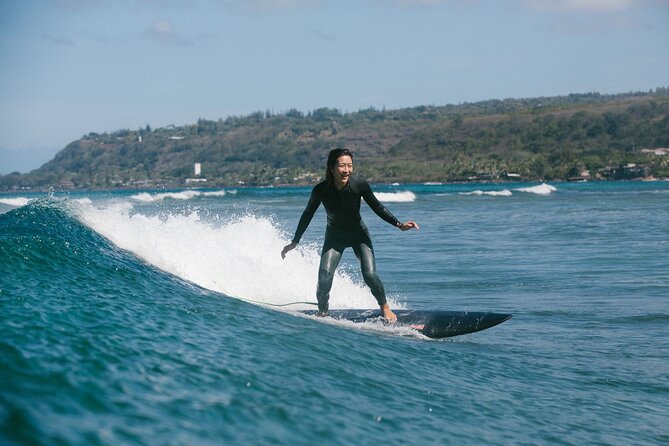
The North Shore ocean can be fun and unpredictable, even for beginners. That’s part of the experience. One of the standout details for this lesson is that you may spot sea turtles around the beach area, which is a surreal thing to see while you’re getting ready for your first set.
Wildlife sightings are never guaranteed, but the chance adds a calm contrast to the action. Instead of focusing only on the next wipeout, you might look up and notice turtles resting or moving offshore. It makes the time feel more like a real day at the ocean, not just a class.
One practical note for beginners: when you’re new, your brain is busy. You’ll be thinking about paddling, board position, balance, and wave timing. So if you do see sea turtles, enjoy the moment, but don’t let it throw off your attention. Safety first. The instructor is there to keep you oriented.
Also, expect you’ll get out of your comfort zone. Surfing is physical. Even if you’re not in “sports shape,” your arms and core will feel it. That’s normal. If you pace yourself and follow instruction, you’ll start to notice progress quickly—often faster than you expect.
The coaching style that makes first-timers stick with it
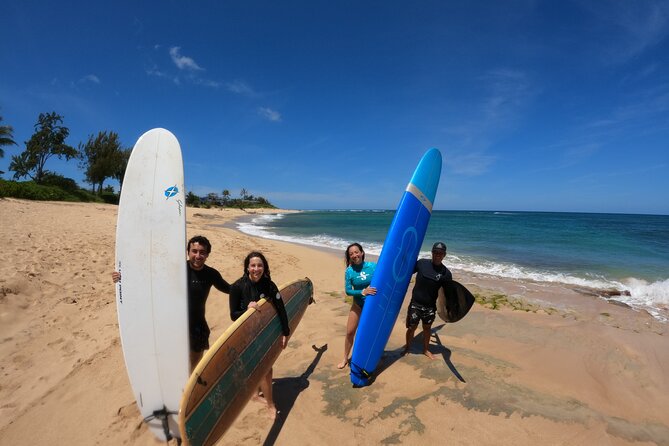
The big difference between a surf lesson that feels scary and one that feels doable is the tone. Here, the vibe is clear: patient, encouraging coaching and a focus on helping you actually catch waves.
In particular, an instructor named Mitch comes up in feedback for making learning feel possible. The coaching approach is described as kind and patient, with instructors pushing you off, towing you out when needed, and then giving helpful feedback each time you catch a wave.
What this means for you on the beach:
- You’re not just told what to do and left to guess.
- You get adjustments based on what happened in your last attempt.
- The lesson is structured so you experience success early, even if your first few tries aren’t perfect.
That’s crucial. If you start with a bad experience, surf can feel like a test. If you start with the right feedback loop, it feels like a skill you can build.
So if you’re afraid of failing in front of others, this is worth considering. The lesson approach aims for momentum. You try, you learn, you try again—without the energy turning negative.
Cost and value: why $130 can be a fair deal
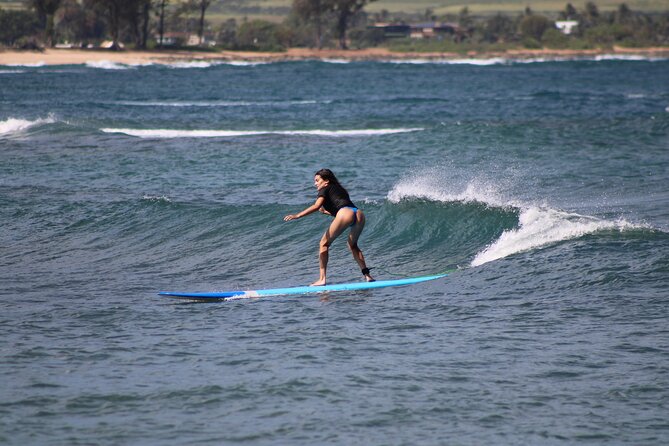
At $130 per person for about 2 hours, this lesson isn’t the cheapest thing you’ll do on Oahu. But for what’s included, it often makes sense as a value play—especially if you’re traveling without surf gear.
You’re paying for:
- instructor-led surf instruction
- a surfboard setup
- leash, fins, and rash guard/surf shirt
- a life jacket
- guided time in the water
If you tried to rent gear and figure out lessons separately, it can become more expensive quickly. Rentals alone can add up, and without coaching you might not get the same number of wave attempts. Here, the package keeps you focused on learning.
Also, the lesson is capped at 10 travelers, which helps justify the price. You’re paying for more direct attention than you’d get in a giant class.
One more value angle: the format is built for a short, meaningful block of time. You’re not making a half-day commitment just to get the basics. About 2 hours is long enough to learn and short enough to feel like a win even if you have other plans in Haleiwa or on the rest of your trip.
Tips so you actually enjoy the lesson
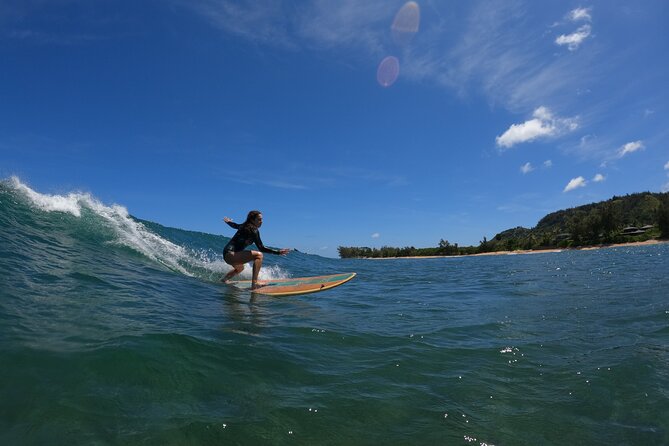
You’ll enjoy this more if you show up ready for ocean basics. With limited details provided about specifics, these tips are general—but they match how beginner lessons work.
- Wear the provided rash guard/surf shirt and keep sunscreen in mind. The water and sun together can be surprising.
- Come with a swimsuit you’re comfortable with. You’ll be moving around and getting into the water quickly.
- Hydrate before you start. Two hours in the sun adds up.
- Be ready for learning your balance fast. If your first pop-up feels awkward, that’s normal.
- Listen for the adjustments between attempts. The lesson is designed around feedback in real time.
Also, don’t overthink it. A common beginner mistake is treating surf as a single skill: catch the wave perfectly. Instead, think of it as steps: paddle to the right moment, stand up from a stable stance, then ride as best you can. Each small win makes the next attempt easier.
Who this surf lesson suits best
This lesson is a great match if you:
- have never surfed before and want a beginner-first path
- are traveling as a family with kids and adults
- want small-group attention without paying for a private session
- like the idea of being at the North Shore, near Haleiwa, with the ocean doing the main work
It’s also a good option if you’re not sure you’ll be “athletic.” Surfing is learnable. With the right instruction and the right gear setup, you can get your first wave without needing to be a lifelong sports person.
If you’re bringing kids, the lesson tone matters. The feedback you’ll find emphasizes that instructors are patient and encouraging, including with a 10-year-old. That kind of approach is exactly what you want for young first-timers who need confidence as much as technique.
Quick logistics that affect your day
This experience uses a mobile ticket, and confirmation is received at booking. The start and end are the same meeting point, so you’re not left guessing where to go after you finish.
Transportation isn’t included, so you’ll want to plan how you’re getting to Haleiwa and back. The good news: it’s listed as near public transportation, which can simplify things if you’re not driving.
The activity ends back at the meeting point, which also keeps your day tidy. Surf lessons can run on sea conditions and coaching flow, but at least you won’t have to coordinate a second pickup location.
For animal lovers: service animals are allowed, and the experience says most travelers can participate.
Should you book this beginner surf lesson on Oahu’s North Shore?
Yes—if your goal is to go beyond watching surfers and actually try. This kind of beginner-focused lesson is one of the best ways to experience the North Shore because it puts you in the water during the part of the trip where the ocean is the main attraction.
Book it if:
- you want included gear and a clear beginner coaching structure
- you prefer small-group instruction (max 10)
- you’re excited about the chance to spot sea turtles while you learn
- you want a practical 2-hour activity that fits into a busy Oahu itinerary
Skip it only if you’re looking for a passive sightseeing experience. This is an active lesson. You’ll be paddling and learning for real. But if you’re ready for that, this is exactly the kind of surf start that can turn into a story you tell for years.
FAQ
How long is the beginner surf lesson?
Group lessons are about 2 hours. Private lessons (just you and the instructor) are about 1 hour.
Where do we meet for the lesson?
The meeting point is Puaʻena Point Beach Park, Kahalewai Pl, Haleiwa, HI 96712, USA. The activity ends back at the same meeting point.
What’s included in the $130 price?
The included items are a surfboard, leash, life jacket, rash guard or surf shirt, fins, and surf instructions with a guide.
Is transportation included?
No. Private transportation is not included.
How big are the groups?
The maximum group size is 10 travelers.
What’s the language of the lesson?
The lesson is offered in English.
What is the cancellation policy?
You can cancel for a full refund up to 24 hours before the experience’s start time. If you cancel less than 24 hours before, the amount paid is not refunded.
More Tour Reviews in Oahu


Learn to Surf at Waikiki

Up on the North Shore


Just Reviewed: More Oahu Tours


North Shore & Haleiwa, compared.
 ★ 5.0Oahu Circle Island Tour with Waimea WaterfallFrom $1543,912 reviews
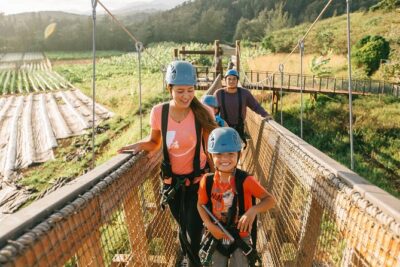 ★ 5.0Oahu’s North Shore: 8-Line Zipline AdventureFrom $2033,616 reviews
 ★ 5.0Toa Luau at Waimea Valley, OahuFrom $1333,350 reviews
 ★ 5.0Oahu North Shore Experience: Activities, Waterfall & Free TimeFrom $1671,799 reviews
 ★ 4.8Shark Cage Dive on the North ShoreFrom $991,485 reviews
 ★ 5.0Shark Cage Diving on Oahu’s North ShoreFrom $1001,391 reviews
 ★ 5.0Full Day Oahu Circle Island -Turtle Beach Snorkel at North ShoreFrom $110662 reviews
 ★ 5.0Safe and Educational Shark Dive from Haleiwa: Sharks GuaranteedFrom $165553 reviews
Where else this tour ranks