
Reviewed · SCUBA DIVING TOURS
Small-Group Deep Dive in Oahu with Shipwreck and Reef
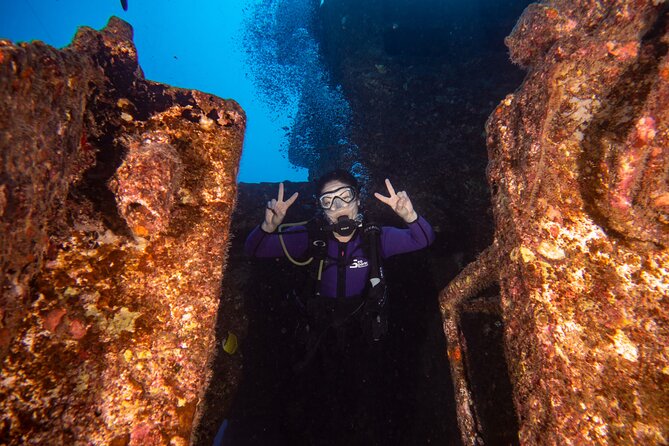
Oahu wrecks make 3 hours count. This small-group charter is built for what you actually want to see underwater: a shipwreck-to-reef plan plus a guide staying with you so the day feels controlled and safe. I like the chance for big marine encounters—dolphins, whales, sea turtles, and sharks—because it gives you more than just a pretty view. One heads-up: this outing is for certified, more-experienced divers, so if you want a casual first-timer trip, this isn’t it.
The schedule is straightforward: you meet in Honolulu early, get suited up, and then your water time is split between a deeper wreck and a shallower reef that can be adjusted to match conditions and the group. The possible drawback is that the day depends heavily on good conditions and your certification level, so you’ll want to be ready to follow the health questionnaire and match the experience requirements.
In This Review
- Quick hits before you go
- What makes this Oahu wreck-and-reef charter worth your morning
- The 7:45am flow: what your day looks like on the water
- Stop one: the shipwreck session and why depth can pay off
- Stop two: the 40–60 foot reef session (and how it stays flexible)
- The guide setup: pro support you actually feel during the day
- Wildlife odds: dolphins, whales, turtles, sharks, and friends
- Equipment: rent, bring, and keep your comfort high
- Price and value: why $209 can make sense for this format
- Logistics that can make or break your day
- Who this charter is best for (and who should skip it)
- Should you book this Oahu shipwreck-and-reef session?
- FAQ
- What’s the duration of the Oahu shipwreck-and-reef charter?
- Where is the meeting point?
- What certification do I need?
- Is equipment rental available?
- What’s included in the price?
- What if weather cancels the trip?
Quick hits before you go
- Two-stop underwater route: a deeper shipwreck start, then a reef around 40–60 feet
- More pelagic action: wrecks farther from shore can mean more turtles, sharks, and open-water fish
- Guide with you every trip: an instructor/underwater guide accompanies the experience
- Equipment choice: rent dive gear or bring your own
- Small group: maximum 16 people, with a charter geared to experienced divers only
What makes this Oahu wreck-and-reef charter worth your morning
This is not a “hover and hope” type of outing. It’s structured for divers who already know how to manage buoyancy, descent, and depth, and who want to spend their limited time on Oahu seeing real underwater life rather than learning the basics.
I especially like the two-part layout: first a deeper shipwreck plan—often starting around a 100-foot plunge—then a second, shallower reef target. That rhythm matters. It breaks up the day so you’re not only chasing depth, and it gives the guide room to select sites that fit what your group is up for.
And if wildlife is your main reason for going, this setup is designed for that. The wrecks being further from shore often means more pelagic fish and higher odds of turtles and sharks showing up. You’re still not guaranteed anything (the ocean is the ocean), but the plan gives you a strong shot at the “wow” moments.
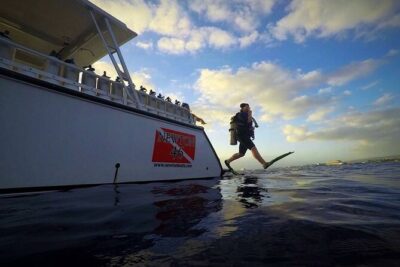
Down to the wrecks and reefs off the island
- Beginner Scuba Diving Experience with Video Package in Honolulu★ 5.0 · 877 reviews
- Certified Diver: 2-Tank Deep Wreck and Shallow Reef Dive Off Oahu★ 5.0 · 331 reviews
- Incredibly Fun Coral Reef Giant Sea Turtles 4hour Boat Scuba Tour★ 4.5 · 300 reviews
- Certified Diver: 2-Tank Shallow Reef Dives off Oahu★ 5.0 · 278 reviews
The 7:45am flow: what your day looks like on the water
You start early—7:45am—and the activity runs about 3 hours 30 minutes total. It ends back at the meeting point, which makes planning your rest of the day simple once you’re back on land.
There’s no hotel pickup included, so you’ll want to arrange your own ride or use nearby public transportation. Since the meeting point is in Honolulu, most visitors can make this work without turning the morning into a logistics headache—but you do need to plan ahead so you’re not sprinting to the docks at the last second.
You’ll also complete a health questionnaire before you’re allowed in the water. If you have medical considerations like asthma or heart conditions, you should talk to your doctor before you come. Diving within 18 hours of flying isn’t recommended, so if you’re trying to connect from another island or the mainland, build in real buffer time.
Stop one: the shipwreck session and why depth can pay off
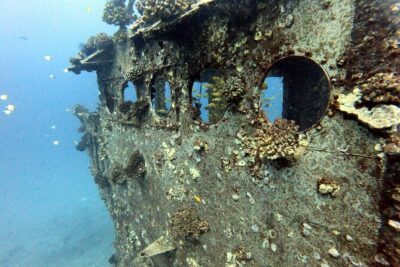
Your first underwater portion is usually built around a shipwreck, with a plunge that’s often around 100 feet. The deeper start changes the whole feel of the day: the water can be cooler, the light shifts, and you’re typically in a zone where more open-water species roam.
The wreck strategy is also practical. Because these wrecks tend to be further from shore, the area often draws in more fish that you wouldn’t see as easily near the beach. That’s where you get better odds of pelagic fish, plus the kind of encounters divers remember for a long time—like turtles and sharks.
What to expect in real terms: you’ll follow the guide’s direction for descent and site entry, then spend time exploring the wreck area while watching for wildlife. This charter is geared for experienced divers only, so you should already be comfortable with depth management and staying calm at the start of the day.
Stop two: the 40–60 foot reef session (and how it stays flexible)
After the wreck, the day shifts to a reef site around 40–60 feet, depending on where the guide decides to go. That flexibility is a big part of the value here. Conditions like visibility, currents, and wildlife activity can change fast, and the guide’s job is to pick the best target for your group.
A shallower reef session also gives you something different from the wreck: you spend more time in a zone shaped by coral growth and reef structure, where fish behavior can feel more “active” and less like open-water drifting. If you’re coming to Oahu specifically for marine life, this second stop is your chance to stack more sightings—often including fish that cruise the reef edges and areas where turtles forage.
It’s still a certification-appropriate plan for experienced divers. So if you’re a newly certified diver or you don’t yet have good control of your breathing and buoyancy, this isn’t the best place to learn. The whole charter is built around competent, comfortable participants.
- Waikiki Trolley Blue Line Coastline & Local Grindz Hop-on Hop-off
★ 5.0 · 4,159 reviews - Oahu Circle Island Tour with Waimea Waterfall
★ 5.0 · 3,912 reviews - Oahu’s North Shore: 8-Line Zipline Adventure
★ 5.0 · 3,616 reviews - Hidden Gems of Oahu Circle Island Tour with Byodo In Temple
★ 5.0 · 3,450 reviews - Toa Luau at Waimea Valley, Oahu
★ 5.0 · 3,350 reviews
The guide setup: pro support you actually feel during the day
Every trip includes a professional guide, and that matters more than many people expect. In a wreck-and-reef format, the guide isn’t just there for pointing out fish. They help manage timing, keep the group together, and adjust the site choices when conditions demand it.
The tour is also limited to a maximum of 16 people. Smaller groups generally mean better communication and less time waiting. Even when you’re comfortable in your own skills, the difference between a crowded outing and a tighter group is huge for your stress level—and for how quickly you can get underwater and enjoy the plan.
Wildlife odds: dolphins, whales, turtles, sharks, and friends
This charter promises opportunities to see dolphins, whales, sea turtles, fish, and more. In ocean terms, that’s the right kind of wording: it sets expectations without pretending you can control the sea.
Here’s how to think about it practically:
- Dolphins and whales are often tied to season and local movement patterns. You might see them from the surface area around the trip, depending on conditions.
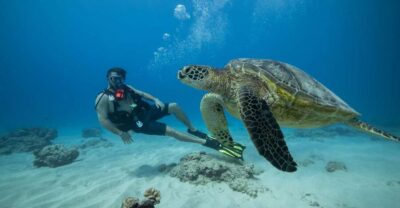
- Sea turtles are frequently associated with reef environments and areas near structures where they feed and rest.
- Sharks and pelagic fish are more likely in zones influenced by deeper features—one reason the wreck-first approach can help.
If you’re chasing a specific animal, the best approach is to match your hopes to the site logic. Wrecks can bring you more open-water fish and larger animals. Reefs can increase your odds for turtles and more reef-oriented species. The two-stop format is a smart way to cover more “habitat types” in one morning.
Equipment: rent, bring, and keep your comfort high
You have two paths: you can rent dive equipment or bring your own. If you’re traveling, bringing your own gear can reduce the stress of last-minute fit issues, but renting can be perfectly fine if you’re careful about checking fit and setup.
Since this charter expects experienced divers, don’t assume you’ll have time to fix problems on the spot. If you rent gear, build a little extra patience into your morning and double-check how your regulator and buoyancy system feels before you go underwater. Comfort helps your focus, and focus helps you enjoy the wreck and reef instead of fighting your setup.
Price and value: why $209 can make sense for this format
At $209 per person for about 3.5 hours, this isn’t a cheap casual activity. But the value makes sense if you’re buying three things:
1) A guided, two-stop plan that targets different underwater habitats
2) A wreck-first structure that often improves wildlife chances versus only doing shoreline sites
3) A smaller group size that supports safer, smoother communication
Also, you’re not paying extra for the guide presence, and the package includes environmental and fuel-related charges. The big “hidden cost” question is usually travel time and gear. Hotel pickup isn’t included, so factor in your local transportation. If you’re already planning to be in Honolulu early and you’re set on experiencing wreck-and-reef sites, the price can look more reasonable.
If you’re on a tight budget and you only want shallow reef scenery, you’d likely find cheaper options elsewhere. But if you want the wreck-and-reef combo with an experienced-diver charter, this is in the right price band for what you get.
Logistics that can make or break your day
This outing is relatively simple once you’re there, but a few details are worth taking seriously.
Start time matters: you’re meeting at 7:45am, so plan your morning buffer.
No pickup: you’ll need your own transport to the meeting point.
Health rules: you must complete a questionnaire, and some medical conditions may prevent you from diving.
Flight timing: diving within 18 hours of flying isn’t recommended.
And yes, weather is a real factor. This type of charter requires good conditions, so the operator may offer a different date or a full refund if the activity can’t run due to poor weather.
There’s one more practical lesson that stands out from the booking experience patterns: reliability of communication is important on any charter. This company has a strong overall rating, but I’d still treat morning-day communication as something to verify early in the process.
Who this charter is best for (and who should skip it)
This is geared toward experienced divers only. They require you to be certified with an advanced certification or have 25 logged underwater sessions, and the minimum age is 14.
So, who fits well?
- You already have strong control of buoyancy and breathing.
- You’re comfortable with deeper profiles, including a first stop that can start around 100 feet.
- You want a guided plan that targets shipwreck and reef life instead of a beginner intro day.
Who should skip?
- First-timers or anyone hoping for a learn-as-you-go course.
- Anyone who isn’t ready to handle the health questionnaire rules or who has concerns about medical clearance.
- People who don’t want to deal with weather-dependent scheduling.
Should you book this Oahu shipwreck-and-reef session?
If you’re certified, experienced, and you want more than a standard reef stroll, I think this is a smart booking. The two-stop format, small group size, and professional guide support are exactly what you want for wreck-and-reef days. The chance for turtles, sharks, and pelagic fish is the kind of payoff that makes a morning worth it.
Book it when you:
- Can handle the advanced-certification requirement
- Plan to be in Honolulu early with your own transportation
- Prefer guided site selection based on conditions
- Want to maximize wildlife odds with both a wreck and reef plan
Skip it when you’re new, unsure about medical clearance, or you’re trying to squeeze this into a tight travel window right after flying. In that case, you’ll likely get more peace of mind from a different type of outing that matches your experience level and timing.
FAQ
What’s the duration of the Oahu shipwreck-and-reef charter?
It runs about 3 hours 30 minutes, approximately, and ends back at the meeting point.
Where is the meeting point?
The start is at 74VV+4X Honolulu, and the activity ends back at the meeting point.
What certification do I need?
You must be a certified diver with an advanced certification or have 25 logged dives.
Is equipment rental available?
Yes. You can rent dive equipment or bring your own.
What’s included in the price?
Included are the environmental management charge (reef tax), fuel surcharge, beverages, snacks, and a professional guide.
What if weather cancels the trip?
If it’s canceled due to poor weather, you’ll be offered a different date or a full refund.
More Tour Reviews in Oahu

Under Oahu: More Dives
Just Reviewed: More Oahu Tours

Scuba Diving Tours, compared.
 ★ 5.0Beginner Scuba Diving Experience with Video Package in HonoluluFrom $77877 reviews
 ★ 5.0Certified Diver: 2-Tank Deep Wreck and Shallow Reef Dive Off OahuFrom $248331 reviews
 ★ 4.5Incredibly Fun Coral Reef Giant Sea Turtles 4hour Boat Scuba TourFrom $299300 reviews
 ★ 5.0Certified Diver: 2-Tank Shallow Reef Dives off OahuFrom $141278 reviews
 ★ 4.5Waikiki 2 Tank World Class Wreck SCUBA Diving – Certified OnlyFrom $269205 reviews
 ★ 5.0DISCOVER Scuba Diving Experience in HonoluluFrom $141202 reviews
 ★ 4.8Waikiki Discovery Scuba Diving for BeginnersFrom $27099 reviews
 ★ 4.7Waikiki: Honolulu Beginner Scuba Diving with VideosFrom $7994 reviews
Where else this tour ranks