
Reviewed · PEARL HARBOR & USS ARIZONA
Oahu: Pearl Harbor Aviation Museum Entry Ticket
Planes meet the past on Ford Island. This ticket is a smart way to see Pearl Harbor through aviation history, from December 7, 1941 to later warplanes in multiple hangars. I like that you get hands-on access inside WWII-era spaces, not just a quick walk-by of a few aircraft.
I also love the pacing of this museum layout: Hangar 37 gives you the core Pearl Harbor story, and then you continue into Hangar 79 for later conflicts and aircraft in restoration. One thing to watch: the day can feel rushed if you’re the type who stops to read every placard, and you’ll want to plan around the shuttle and the no-bag rules for Ford Island.
In This Review
- Key highlights at a glance
- Ford Island Shuttle and the No-Bag Reality
- What Your $29 Ticket Covers on a 1-Day Pearl Harbor Aviation Loop
- Hangar 37: Where the WWII Story Feels Concrete
- Raytheon Pavilion and the East Wind Rain Viewing
- Hangar 79: Gulf, Korean, and Vietnam-Era Aircraft in One Flow
- Shealy Restoration Shop and Aircraft Waiting for Their Next Chapter
- Optional Top of the Tower: The View Adds Perspective
- Audio Guide, Timing, and a Pace That Doesn’t Feel Like a Sprint
- Price and Value: Why $29 Can Feel Like a Good Deal
- Who Should Book This Day on Ford Island
- Should You Book This Pearl Harbor Aviation Museum Ticket?
- FAQ
- What is included with the Pearl Harbor Aviation Museum entry ticket?
- Is a guided audio tour included, and what languages are available?
- What areas of the museum can I access with this ticket?
- Does the ticket include the Top of the Tower tour?
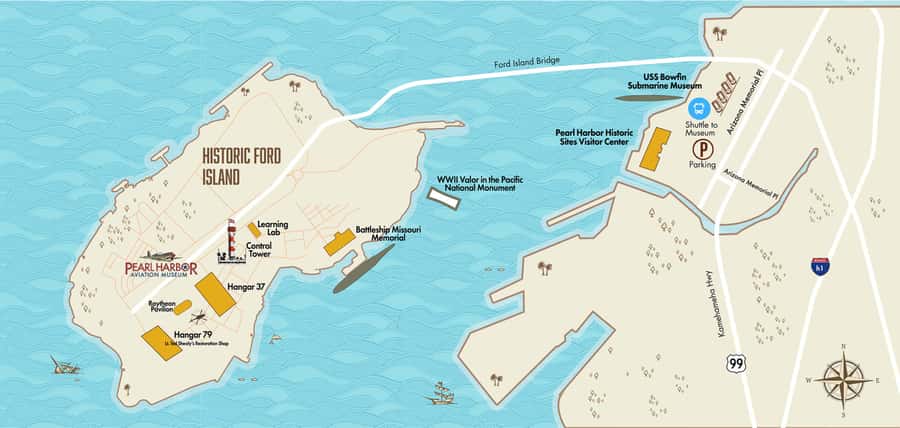
- Where do I meet for the shuttle to Ford Island?
- How often do shuttles run to Ford Island?
- Are bags allowed on the shuttle to Ford Island?
- What time does the Top of the Tower tour run?
Key highlights at a glance

- Hangar 37: authentic WWII hangar space and a focused look at the attack era
- Over 50 aircraft in one day, spread across multiple aviation galleries
- East Wind Rain documentary viewing included as part of the museum flow
- Hangar 79 + restoration: Gulf, Korean, Vietnam-era aircraft and the Shealy Restoration Shop
- Optional Top of the Tower: a guided control-tower tour with a 360-degree view
Ford Island Shuttle and the No-Bag Reality
This experience starts with a shuttle ride to an active military base. You’ll take the free shuttle from the Pearl Harbor Visitor’s Center, with departures every 15 minutes from 8:00 AM to 4:00 PM. The museum sits on historic Ford Island, so security is real, and that affects what you can bring.
Here’s the practical catch: no bags are allowed on the shuttle to Ford Island. That includes luggage or large bags, plastic bags, and even backpacks. If you arrive with a lot of stuff (common with a hotel check-out day), plan to use the bag storage facility at the Bowfin Submarine Park shuttle bus stop for a fee ($6 per bag or $7.50 for large bags and/or luggage). If you can, travel light and treat this stop like an airport day.
That logistics piece can be the difference between a smooth start and a stressful one. When you keep your carry simple, you spend more time inside hangars and less time coordinating storage.
More of the harbour, the memorials and the ships
- Pearl Harbor History Remembered Tour from Ko Olina★ 5.0 · 1,009 reviews
- Oahu: Pearl Harbor, Arizona Memorial & Honolulu City Tour★ 4.4 · 777 reviews
- Pearl Harbor: USS Arizona Memorial & Battleship Missouri★ 4.6 · 614 reviews
- Chief’s Official Pearl Harbor Self-Guided Multimedia Tour★ 4.0 · 407 reviews
What Your $29 Ticket Covers on a 1-Day Pearl Harbor Aviation Loop
The headline value is that you’re paying for access to a large, aircraft-focused museum day—not just one building. For $29 per person, you get your entry ticket to the Pearl Harbor Aviation Museum on Ford Island, plus a free audio tour. You also have access to Hangar 37, Hangar 79, and the Raytheon Pavilion.
The audio guide is built for self-paced visits and is offered in English, Japanese, Spanish, Korean, and Chinese. That matters because aviation museums can be dense: having spoken interpretation helps you connect names, aircraft roles, and the timeline of December 7, 1941 without constantly reading every label.
You can also add the Top of the Tower tour if you want the view. It’s optional, but it’s one of those choices that can make your day feel bigger, because you see Pearl Harbor from the Ford Island Control Tower (more on that later).
Also worth noting: the Fighter Ace 360 Simulator is not included. If you were hoping for a simulator as part of your ticket, you’ll need to check if it’s available separately.
Hangar 37: Where the WWII Story Feels Concrete
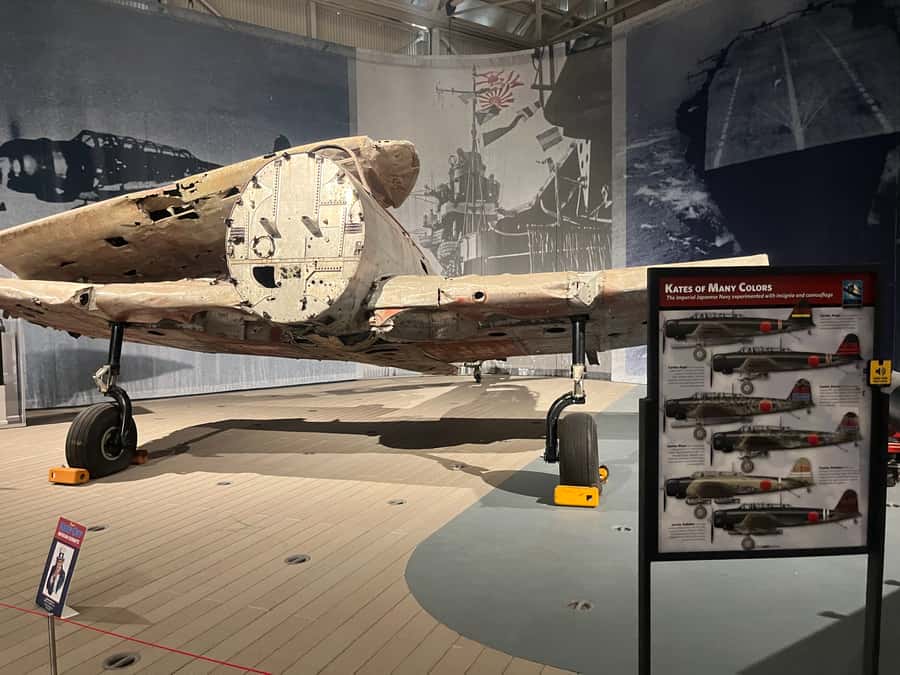
Hangar 37 is the heart of the WWII portion of the museum. You’re walking into a WWII-era hangar space and stepping into the story of the attack from a military aviation perspective. If you’re used to museums that treat aircraft like distant trophies behind ropes, this hangar style feels different because the setting is part of the message.
Inside, you’ll see a major collection of aircraft and exhibits tied to the events leading into and during December 7, 1941. The museum experience is described as tracing those events through decades of history, and Hangar 37 does the heavy lifting for the central Pearl Harbor narrative.
I like that the museum doesn’t only show planes; it frames what those aircraft meant. You’re nudged toward understanding how the attack unfolded and what was happening on Oahu pre-war, so the aircraft feel connected to real life, not just hardware.
Plan to slow down here. Hangars have a way of tricking you into thinking you’ll be done faster than you will, because your attention keeps getting pulled toward different aircraft, angles, and interpretive displays.
Raytheon Pavilion and the East Wind Rain Viewing
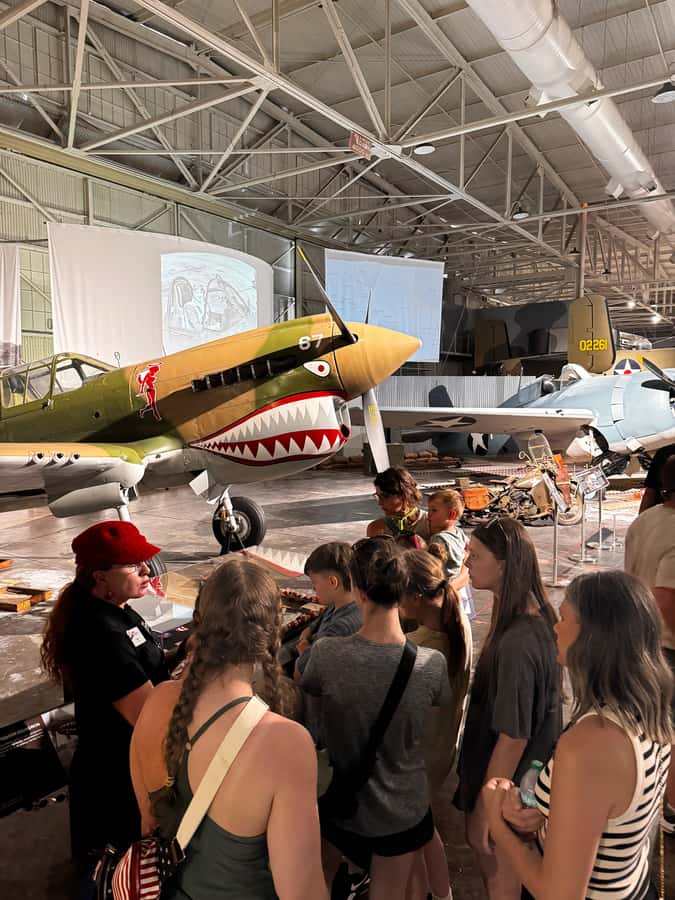
After Hangar 37, the Raytheon Pavilion helps connect the aircraft to the broader story. This is where you get more context for the timeline and the people behind the missions.
One highlight is an included viewing of the award-winning documentary East Wind Rain. It’s designed to show what daily life on Oahu was like before the attack, then bring you to the moment of the attack itself. For a first-time Pearl Harbor visitor, that kind of framing can be a big help because it turns scattered exhibits into a sequence you can remember.
I also appreciate the way the museum uses this stop to reset your focus. After you’ve spent time looking closely at aircraft in Hangar 37, the documentary gives your brain a timeline anchor, so when you move forward to the next hangar, you’re not just seeing more planes—you’re understanding how the aviation story continues.
More gates and admissions sorted
- Polynesian Cultural Center: Islands of Polynesia Admission Ticket
★ 4.5 · 233 reviews - Oahu: Polynesian Cultural Center Island Villages Ticket
★ 4.6 · 92 reviews - Oahu: Pearl Harbor Aviation Museum Entry Ticket
★ 4.5 · 63 reviews - Wet ‘n’ Wild Waterpark Admission Ticket w/ Waikiki Transportation
★ 4.0 · 17 reviews - Oahu to Maui 1 Day Trip : Road to Hana Day Trip from Oahu with Air Ticket
★ 4.0 · 5 reviews
Hangar 79: Gulf, Korean, and Vietnam-Era Aircraft in One Flow

Then comes Hangar 79, which shifts the museum from the Pearl Harbor moment to later conflicts. You’ll continue through history by exploring aircraft associated with the Gulf, Korean, and Vietnam wars. That change of era matters, because aviation museums can sometimes feel stuck in one year. Here, the focus is on continuity—how roles and technology evolve over time.
Hangar 79 also supports the museum’s “keep looking” design. You don’t just see one cluster of exhibits and leave. Instead, you move through spaces that encourage you to keep connecting dots: which aircraft were used in which eras, and how the museum organizes displays so you can follow the theme.
If you like the idea of seeing Pearl Harbor in the larger sweep of military aviation, this section is the payoff. You get a sense that Ford Island and its aviation story didn’t end on December 7, 1941.
Shealy Restoration Shop and Aircraft Waiting for Their Next Chapter
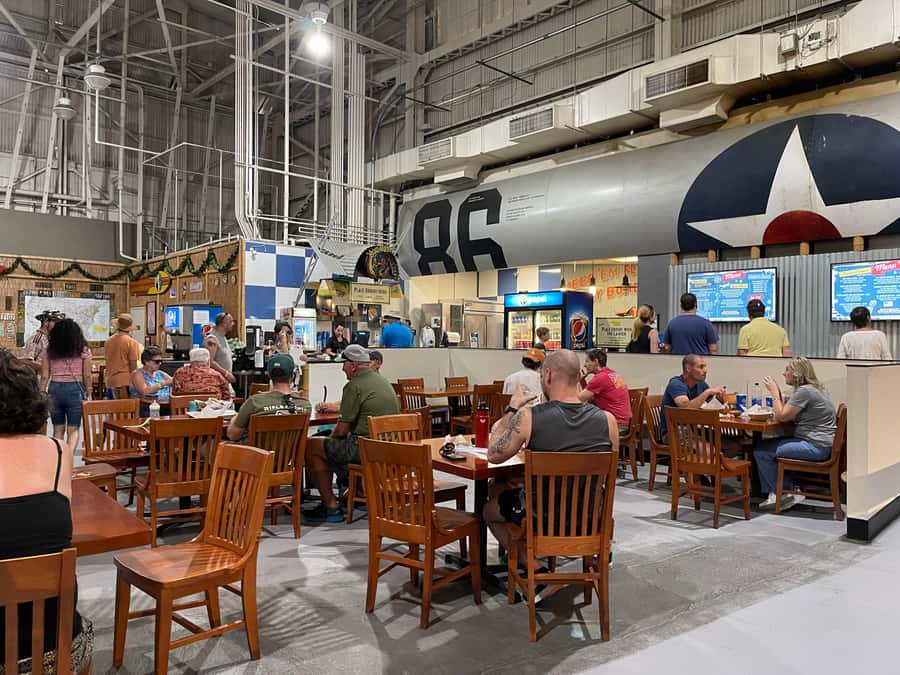
Inside this stretch of the museum experience, you’ll encounter the Shealy Restoration Shop. A restoration shop is a different kind of exhibit because it shows aircraft in the middle of a process. Instead of everything being finished and “museum-perfect,” you get a glimpse of how preservation works and what it takes to keep historic airplanes visible for future display.
This is also where you may see aircraft awaiting future display, including the B-17 Swamp Ghost. Even if you already know the plane’s name, seeing it in a restoration context changes how you interpret it. It’s no longer just a legend; it’s a work-in-progress that depends on careful restoration.
I find restoration areas especially satisfying because they answer a quiet question: how does a museum keep history from turning into rubble? You’re not only viewing aircraft—you’re seeing the ongoing effort behind those displays.
Optional Top of the Tower: The View Adds Perspective
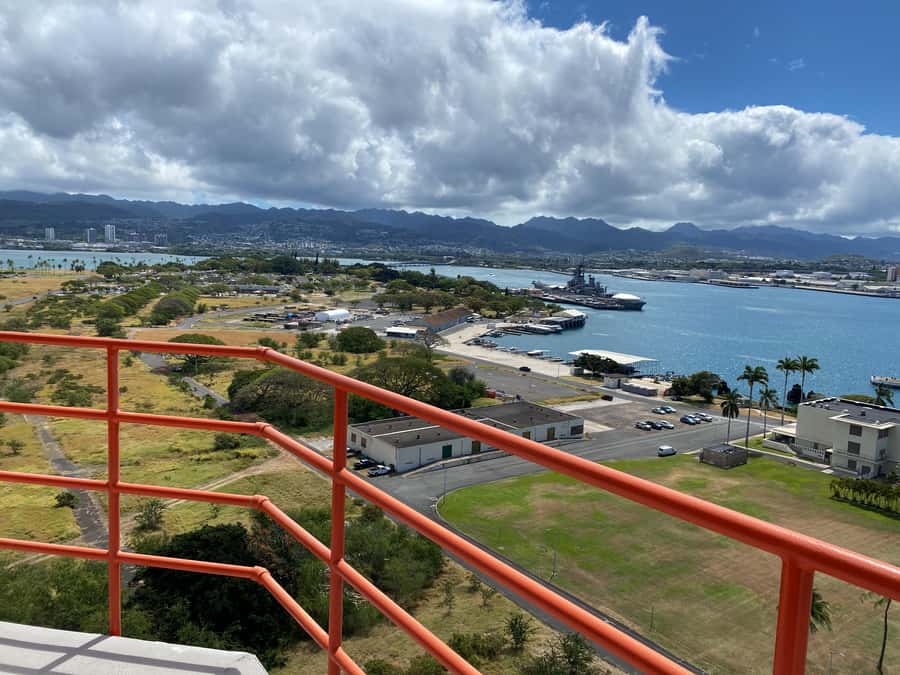
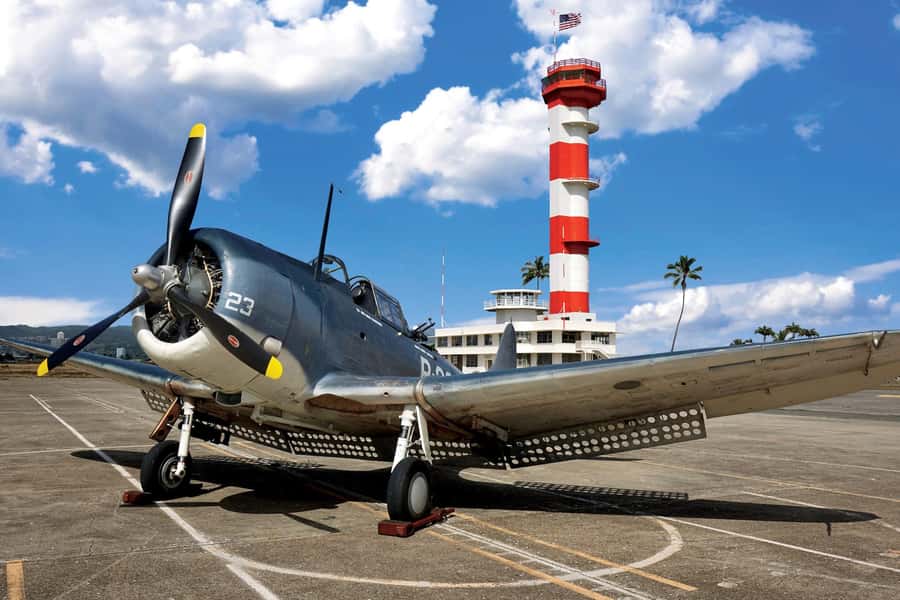
If you add the Top of the Tower tour, you’ll get a guided visit to the Ford Island Control Tower. This is a 15-story tower experience with access to restored spaces like the elevator and upper cab, plus a viewing deck with a 360-degree view.
Timing details matter here. Tours run daily from 9:40 AM to 4:20 PM, and they depart every 40 minutes. Plan to arrive at least 10 minutes early, because the tour schedule is structured. You’re also limited to no more than 30 minutes at the top, so it’s not a slow sit-and-stare kind of viewpoint. You get a defined window to take it in.
Access is also physical. The observation deck requires ticket holders to use handrails while climbing two flights of steep stairs. That’s easy for some people and a deal-breaker for others, so think about your comfort level with stairs before you add the option.
Also: children must be at least 42 inches tall to access the Top of the Tower tour. Infants and toddlers are not allowed for this portion.
For me, the value of the tower isn’t just the view. It’s the way it helps you understand why Ford Island matters. When you can look out across Pearl Harbor, the museum exhibits stop feeling like isolated objects and start feeling like part of a real operational landscape.
Audio Guide, Timing, and a Pace That Doesn’t Feel Like a Sprint
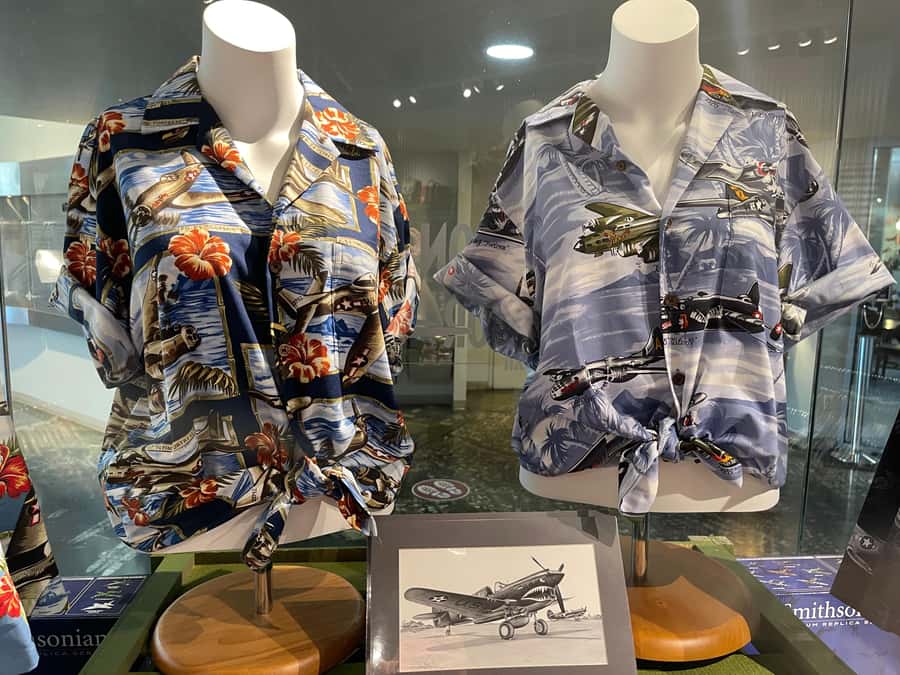
This museum is best when you give it breathing room. The site is spread across multiple hangars and exhibit areas, and the audio guide encourages you to pause and listen. If you treat it like a quick checklist, you might miss the context pieces that make the aircraft meaningful.
I’d plan a full, calm pace. One tip that really helps: if you want to look closely at everything without rushing, give yourself more time than you think you need. Hangars can look “easy” on the map, but your feet will disagree once you start reading and walking from one aircraft to the next.
Tours in the tower (if you add it) are also scheduled. Since tower tours run every 40 minutes and you need to arrive 10 minutes early, you’ll want to avoid waiting until late in the day to decide you want that view.
A simple strategy: do Hangar 37 first while you’re freshest, then move into the documentary and the rest of the museum flow, and treat the tower as a planned add-on with a specific arrival window.
Price and Value: Why $29 Can Feel Like a Good Deal
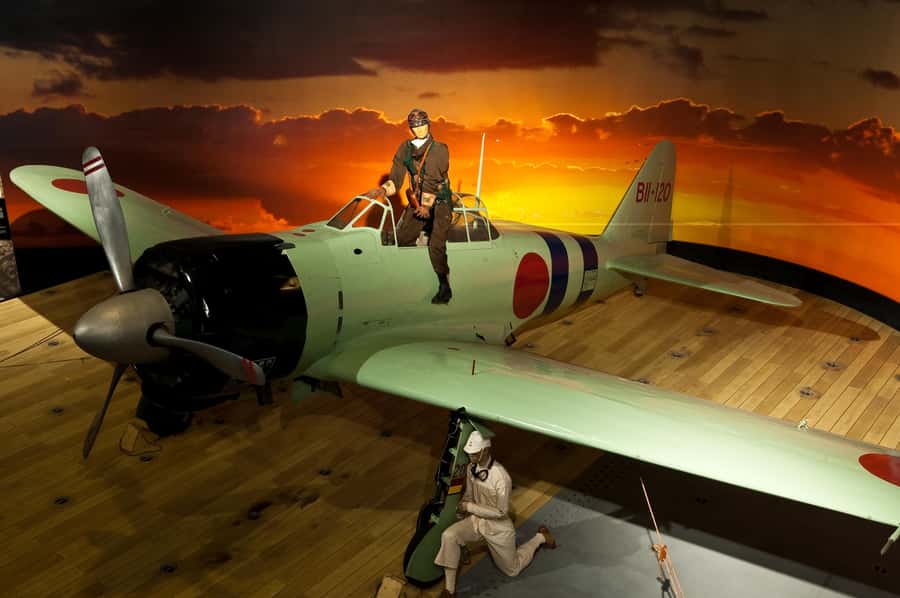
At $29 per person, you’re paying for a museum day that includes entry, a free audio guide, access to multiple hangars (not just one), and the Raytheon Pavilion. You also get access to the free Pearl Harbor shuttle between 8:00 AM and 5:00 PM, which helps you move without juggling transportation.
You should also think about what you get versus what you don’t. The ticket includes a lot, but the Fighter Ace 360 Simulator isn’t included. If that simulator is a must for you, it could affect perceived value. If aircraft and exhibits are the point, the $29 price feels reasonable because you’re using the space and the aircraft collection rather than buying a short, single-purpose admission.
Then there’s the optional Top of the Tower add-on. That’s the kind of experience that can turn a good museum visit into a memorable one, because it gives you the “from above” context that aviation history often lacks when you’re only at ground level.
Overall, this is good value if you want to spend real time inside aircraft spaces and you’re okay with a schedule that’s built around shuttles and hangar access rather than open-ended exploration.
Who Should Book This Day on Ford Island
This ticket is a great fit if you:
- love aviation history and want to see planes in authentic WWII-era hangar settings
- want a Pearl Harbor experience that goes beyond memorials and into aircraft and operations
- prefer self-paced museum time supported by a free audio guide
It’s also a strong choice for people who like context. The museum’s sequence—Hangar 37, documentary viewing, then Hangar 79—helps you keep the story straight instead of walking into a wall of aircraft names.
If you’re traveling with kids, the big question is the tower. The Top of the Tower tour has a 42-inch minimum height, and infants/toddlers can’t access it. The museum itself is wheelchair accessible, but the tower observation deck requires stairs, so plan accordingly.
And if you mainly want the simulator experience, you may feel the ticket is less focused since the Fighter Ace 360 Simulator isn’t included.
Should You Book This Pearl Harbor Aviation Museum Ticket?
I’d book this if you want a full aviation-focused Pearl Harbor day on Ford Island with real hangar access. For the price, the mix of Hangar 37, documentary context, Hangar 79, and the Shealy Restoration Shop gives you enough variety that it doesn’t feel like the same exhibit on repeat.
Add the Top of the Tower if you can handle steep stairs and you’re okay with scheduled timing. If you skip the tower, you still get a strong museum experience; if you add it, you get that key perspective that makes the whole day click.
The biggest planning tip is simple: go in with a light pack and enough time. When you do that, the day runs smoother, and you’ll enjoy the aircraft story more instead of watching the clock.
FAQ
What is included with the Pearl Harbor Aviation Museum entry ticket?
Your ticket includes entry to the Pearl Harbor Aviation Museum, a free audio tour, access to Hangar 37, Hangar 79, and the Raytheon Pavilion. It also includes the Top of the Tower tour if you select that option.
Is a guided audio tour included, and what languages are available?
Yes. The audio guide is included and is available in English, Japanese, Spanish, Korean, and Chinese.
What areas of the museum can I access with this ticket?
You can access Hangar 37, Hangar 79, and the Raytheon Pavilion.
Does the ticket include the Top of the Tower tour?
It includes the Top of the Tower tour only if you choose the option. The tower tour is a guided experience with a 360-degree view.
Where do I meet for the shuttle to Ford Island?
You should take the shuttle from the Pearl Harbor Visitor’s Center.
How often do shuttles run to Ford Island?
Shuttles depart every 15 minutes from 8:00 AM to 4:00 PM.
Are bags allowed on the shuttle to Ford Island?
No. Oversize luggage, luggage or large bags, plastic bags, backpacks, and bags are not allowed on the shuttle bus to Ford Island. Bag storage is available at the Bowfin Submarine Park shuttle bus stop for a fee.
What time does the Top of the Tower tour run?
The Top of the Tower tour runs daily from 9:40 AM to 4:20 PM, with tours every 40 minutes.
Gates and Admissions





More Tour Reviews in Oahu





Pearl Harbor: More of the Story


Just Reviewed: More Oahu Tours



Pearl Harbor & USS Arizona, compared.
 ★ 4.3Pearl Harbor, USS Arizona, and City TourFrom $691,572 reviews
 ★ 5.0Pearl Harbor History Remembered Tour from Ko OlinaFrom $1541,009 reviews
 ★ 4.4Pearl Harbor, Arizona Memorial & Honolulu City TourFrom $58777 reviews
 ★ 4.6Pearl Harbor: USS Arizona Memorial & Battleship MissouriFrom $156614 reviews
 ★ 4.0Chief’s Official Pearl Harbor Self-Guided Multimedia TourFrom $9407 reviews
 ★ 4.4Pearl Harbor, USS Arizona, and City Highlights TourFrom $60272 reviews
 ★ 4.3From Waikiki: Pearl Harbor USS Arizona Memorial ProgramFrom $57254 reviews
 ★ 4.5Honolulu: Pearl Harbor, USS Arizona Memorial [Early Access]From $79209 reviews
Where else this tour ranks