
Reviewed · SCUBA DIVING TOURS
Oahu Night Dive: Adventure for Certified Divers
Night in Oahu changes everything. This 3-hour, PADI-led night scuba outing off the south shore stacks twilight wildlife viewing with a second underwater session in near-blackness using provided lights. You’ll also get a full charter ride setup, snack breaks at sunset, and gear handled for you.
Two things I really like: the way the first underwater stop happens during the reef transition between daylight and night life, and the fact that the second stop is about seeing how creatures behave when it’s genuinely dark. One drawback to factor in up front: this is not a casual try-it event. You must be a certified diver and show proof at the boat, plus it’s not suitable for kids under 15, pregnant women, or anyone with pre-existing medical conditions.
In This Review
- Key highlights that matter (before you book)
- Oahu Night Scuba Off the South Shore: The Real Appeal
- Getting to the harbor and settling onboard
- Twilight Underwater Stop: Reefs in Transition
- Sunset surface interval: snacks and reset time
- Complete darkness with complimentary lights
- Gear package worth noticing: tanks, wetsuit, weights, fins, BCD, and lights
- Price and value at $248 for 3 hours
- Who it fits (and who should skip it)
- Quick prep list before you go
- Should you book this Oahu night scuba trip?
- FAQ
- Do I need to be a certified diver?
- How long is the experience?
- What happens first, twilight or night?
- Are underwater lights provided?
- What gear is included in the rental?
- What marine life might I see?
- Is parking included?
- Where do I meet the group?
- What should I bring?
- Can I fly the day of the trip?
- Is the tour offered in English?
Key highlights that matter (before you book)
- Twilight-to-night wildlife: the schedule is built so you catch animals that shift from resting to active.
- Two guided underwater sessions: 1 hour each, with a 30-minute surface break in between.
- Complimentary underwater lights: the second session is described as complete darkness with lights for visibility.
- Gear rental that’s mostly plug-and-play: 2 tanks, wetsuit, weights, fins, BCD, plus lights.
- Boat comfort basics covered: a charter with sun deck, shaded deck, and a restroom onboard.
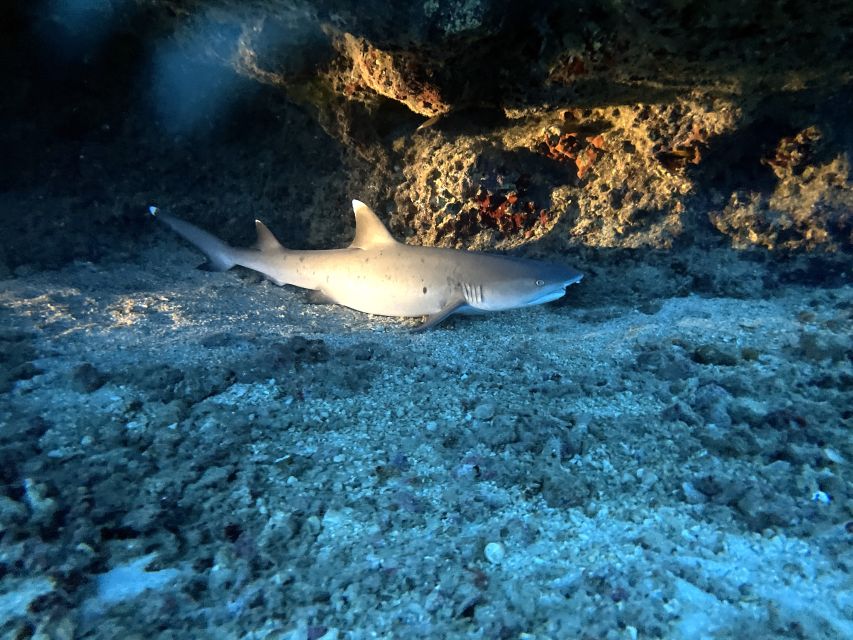
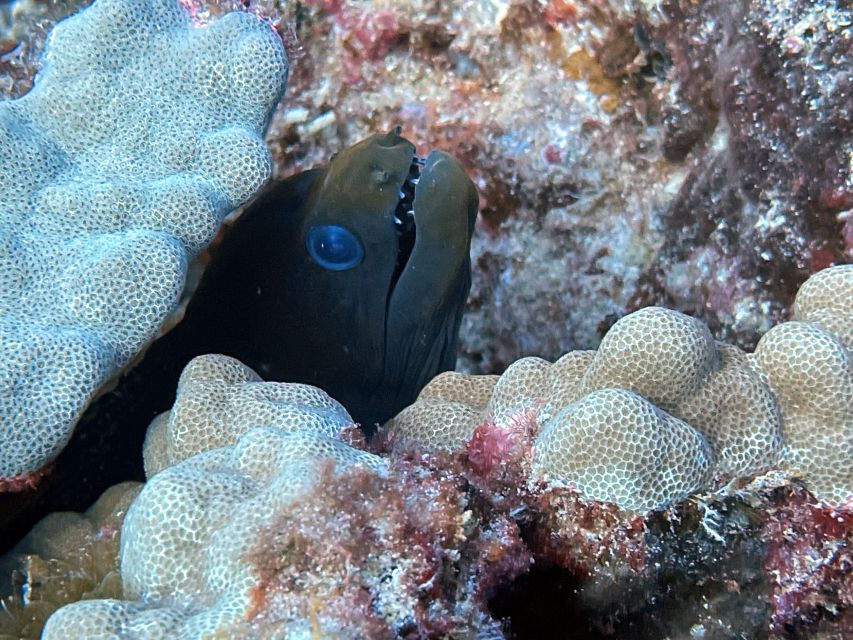
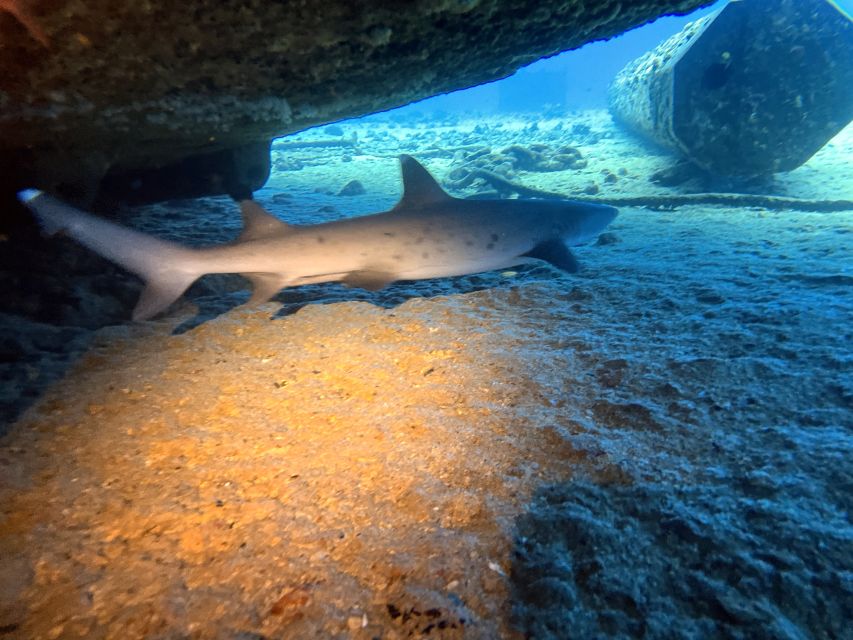
- South shore marine life chances: sharks, turtles, eels, rays, octopus, and Hawaiian endemic fish are on the likely list.
Oahu Night Scuba Off the South Shore: The Real Appeal
This outing is built around a simple idea: the ocean doesn’t just get darker. It changes behavior. Your first underwater session starts at twilight, when daytime residents are winding down and night-active creatures begin to show up. That timing matters because you’re not just seeing animals. You’re seeing how the ecosystem shifts.
Then comes the second session, where visibility depends on the lights you’re given. That means you’re watching marine life from a different angle, with less background glare and more focused movement. It’s also where creatures often look more dramatic: outlines show up fast, and small details become easier to notice.
I also like that the experience is squarely aimed at certified divers. You’re not learning basics. You’re bringing your certification skills, buoyancy control, and comfort with swimming in open water—then letting the guides focus on finding the right conditions and guiding the experience.
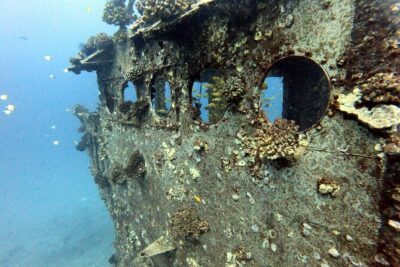
Down to the wrecks and reefs off the island
- Beginner Scuba Diving Experience with Video Package in Honolulu★ 5.0 · 877 reviews
- Certified Diver: 2-Tank Deep Wreck and Shallow Reef Dive Off Oahu★ 5.0 · 331 reviews
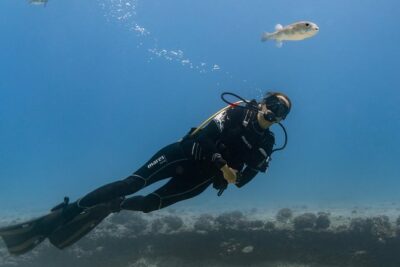
- Incredibly Fun Coral Reef Giant Sea Turtles 4hour Boat Scuba Tour★ 4.5 · 300 reviews
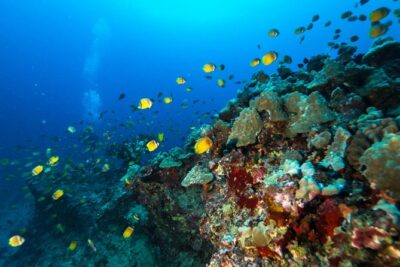
- Certified Diver: 2-Tank Shallow Reef Dives off Oahu★ 5.0 · 278 reviews
Getting to the harbor and settling onboard
Plan to arrive early. You’ll meet at the harbor, front row, slip 8, and look for a large picture of a turtle. Getting there at least 30 minutes before the start keeps you out of the stress zone and gives you time to check in calmly.
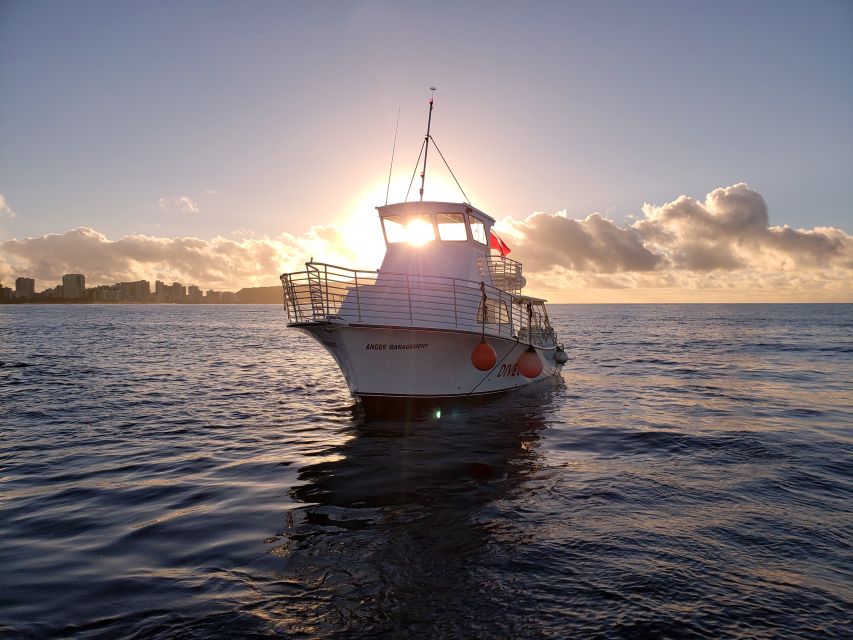
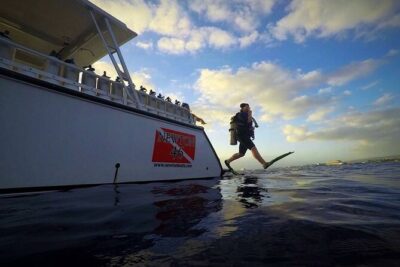
Once you’re onboard, the boat setup is designed for comfort during a night trip. There’s a sun deck and a shaded deck, plus plenty of space to move around. There’s also a restroom onboard, which you’ll really appreciate when you’re on a tight 3-hour block and it’s already dark.
Before anyone heads into the water, you get a safety briefing for about 25 minutes. That’s a good chunk of time to review what to expect, how the guides want you to handle underwater visibility and buoyancy, and any rules for staying together in the group during both sessions.
Twilight Underwater Stop: Reefs in Transition
Your first guided underwater session is planned for twilight, off Oahu’s south shore. This is the part of the schedule that feels most intentional. At twilight, you’re not just early or late—you’re in the specific window when animals switch from day patterns to night patterns.
The guide’s job here is to take you across reef areas where you can see that change in real time. The experience description points to animals that are likely to be resting while nocturnal species start coming out to play. Practically, that means you may see a mix of behaviors in the same general area: slower, quieter movement from some creatures and then more active hunting or drifting from others.
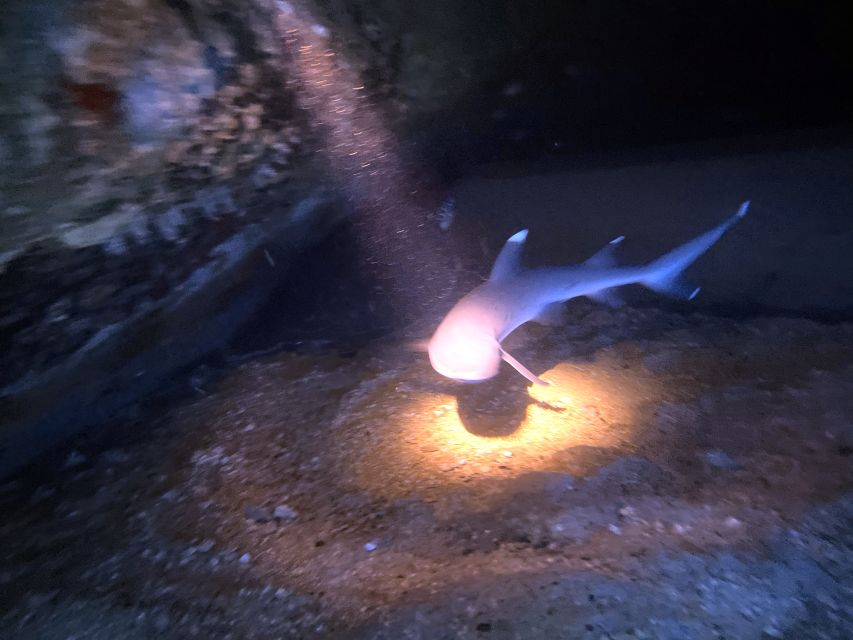
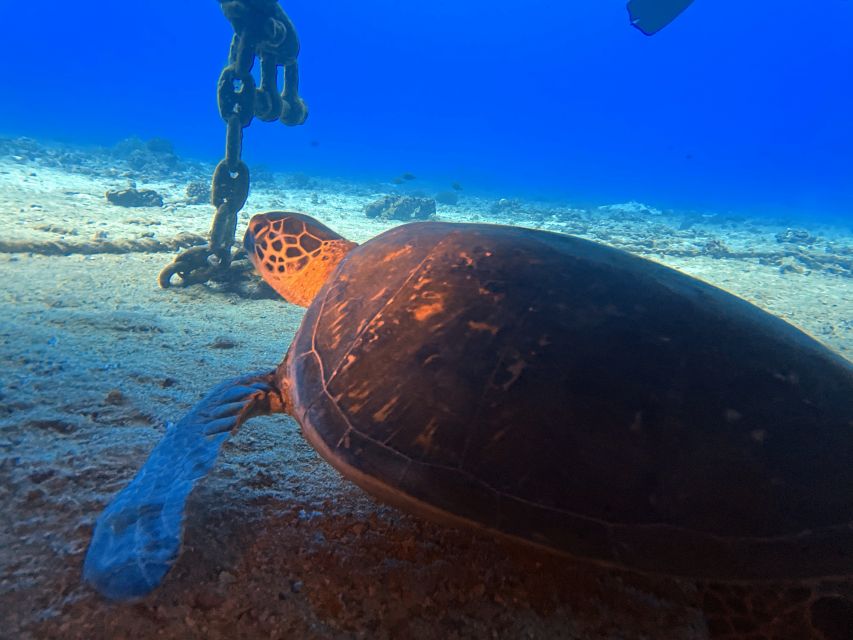
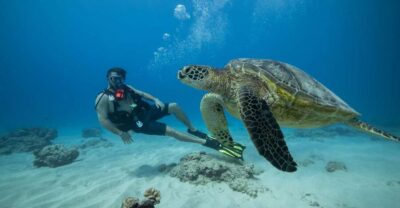
As for what you might see, the likely list is strong: sharks, turtles, eels, rays, octopus, starfish, crabs, Hawaiian endemic fish, and dolphins. You should treat that as a best-odds checklist rather than a guarantee, but it gives you a clear target for what this trip is aiming to deliver.
One more thing I appreciate: you’re not sent in alone. A PADI certified guide leads the experience, which helps a lot at night when visibility and depth cues can feel off compared to daytime.
Sunset surface interval: snacks and reset time
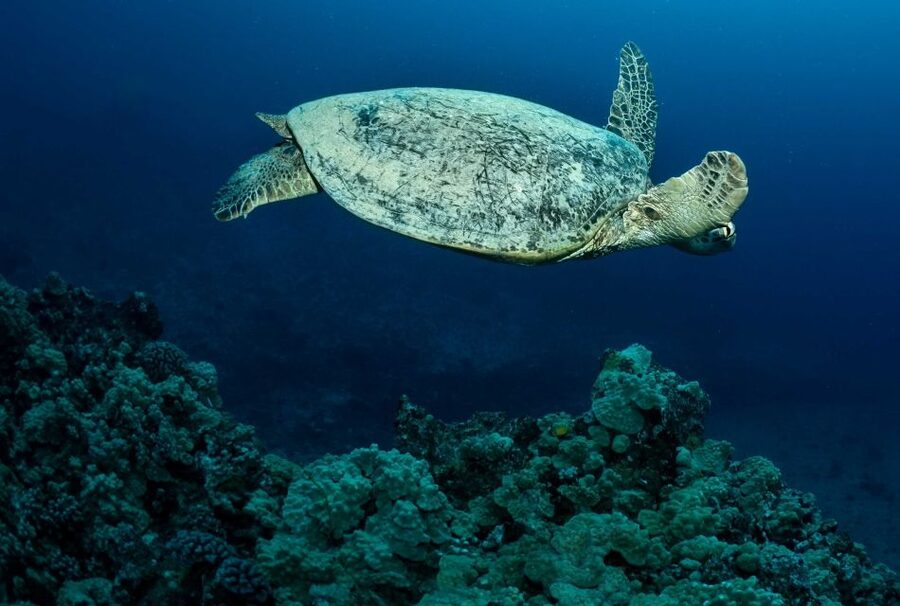
Between the two underwater sessions, you’ll have a break on the surface for about 30 minutes. This is when snacks and refreshments come in. It sounds basic, but for a night outing it’s a real quality-of-life detail.
You get a chance to:
- regroup and confirm everyone’s gear is working as it should
- warm up a bit if you’re feeling chilly after the first water time
- think through your plan for the second, darker session
The break also sits right around sunset, so you’re transitioning from a more natural light environment to the “lights-only” world below. If you’re prone to getting anxious in darker conditions, this interval is your breathing space.
Other ways into an island evening
- Oahu’s Waikiki Coast: Moana’s Sunset Cocktail Sail
★ 5.0 · 2,205 reviews - Honolulu: Three Star Deluxe Sunset Dinner Cruise and Show
★ 4.5 · 1,204 reviews - Sunset Dinner Cruise in Honolulu, Hawaii
★ 4.0 · 1,023 reviews - Waikiki Signature Sunset Catamaran Sail
★ 4.5 · 890 reviews - Oahu Catamaran Waikiki Sunset on 40 Foot Catamaran: Food and BYOB
★ 5.0 · 836 reviews
Complete darkness with complimentary lights
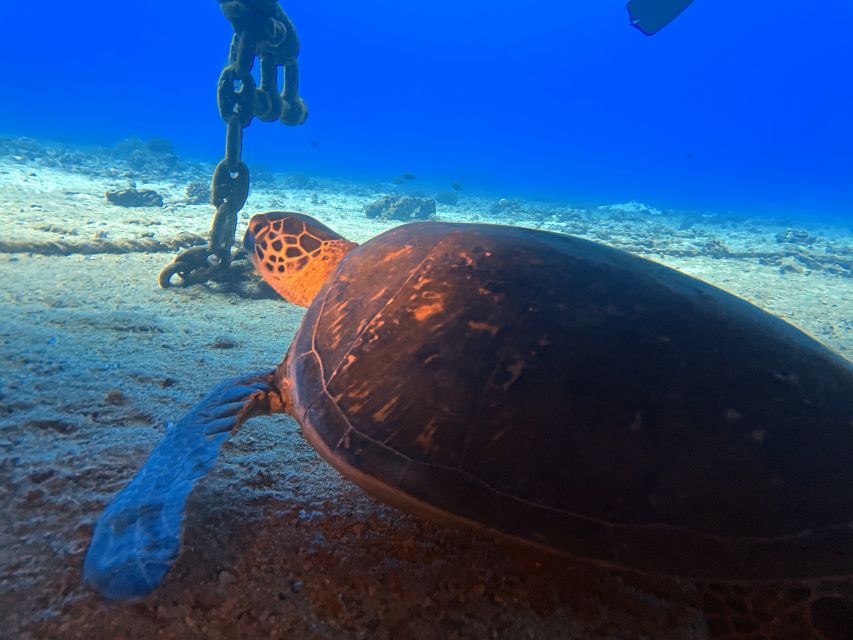
The second guided underwater session is the signature part of this tour. You’re provided complimentary underwater lights, and the experience description frames it as plunging into near-complete darkness—then using those lights to bring the seascape into view.
This is where you’ll want to lean on the skills you already have as a certified diver. The guides can help you with positioning and safety, but your comfort with controlled buoyancy and slow movement is what makes night viewing work. Fast finning or constant chasing of every flicker in the dark tends to stir things up and can make it harder for everyone to see.
What I find most compelling about the dark-water setup is that animals can feel more present and more patterned. Instead of seeing the whole reef at once, you see what your light beam finds and how creatures react at that moment. That can make even common marine life look new.
If your goal is a night experience that isn’t just atmospheric but also active—with wildlife on the move—this second session is the reason to book. And since the trip already set you up with a first stop at twilight, the contrast between the two is part of the payoff.
Gear package worth noticing: tanks, wetsuit, weights, fins, BCD, and lights
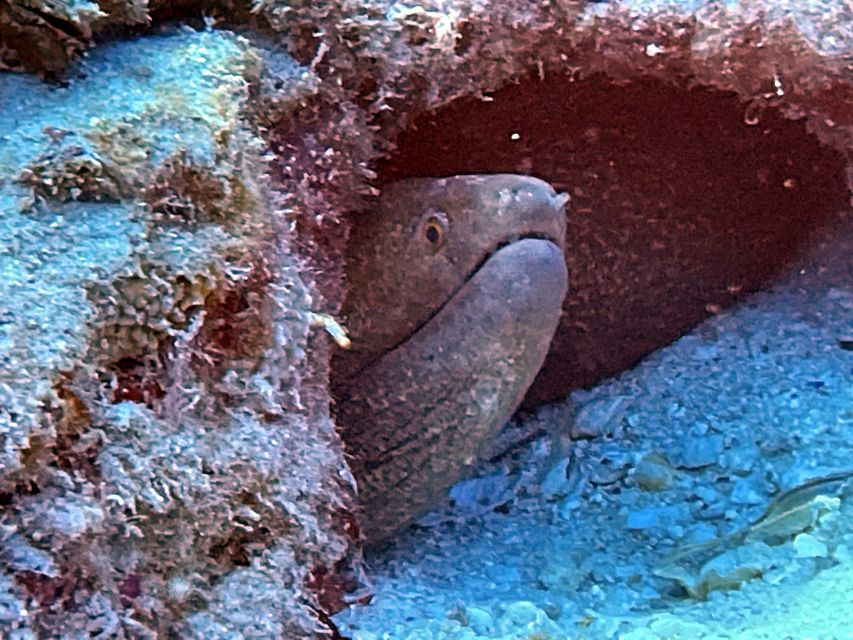
One of the biggest reasons this trip can feel like good value is that the package handles most of the practical scuba items for you. You get premier gear rental including:
- 2 tanks
- underwater lights
- wetsuit
- weights
- fins
- BCD
That matters because gear rental can quietly add cost and time in Hawaii, especially if you’re trying to coordinate sizes, pick-up windows, and whether you’ll need specialty items for night conditions. Here, you show up with your certification proof and swimwear. The rest is managed.
That said, you’ll still want to do your own quick checks. During night trips, fit and comfort matter more than you’d think, because you’re more likely to notice friction, cold spots, or awkward strap placement once you’re underwater.
Bring what the trip asks for: swimwear and a towel. You’re also required to present your diving certification proof at the boat, so have it ready in a reachable place.
Price and value at $248 for 3 hours
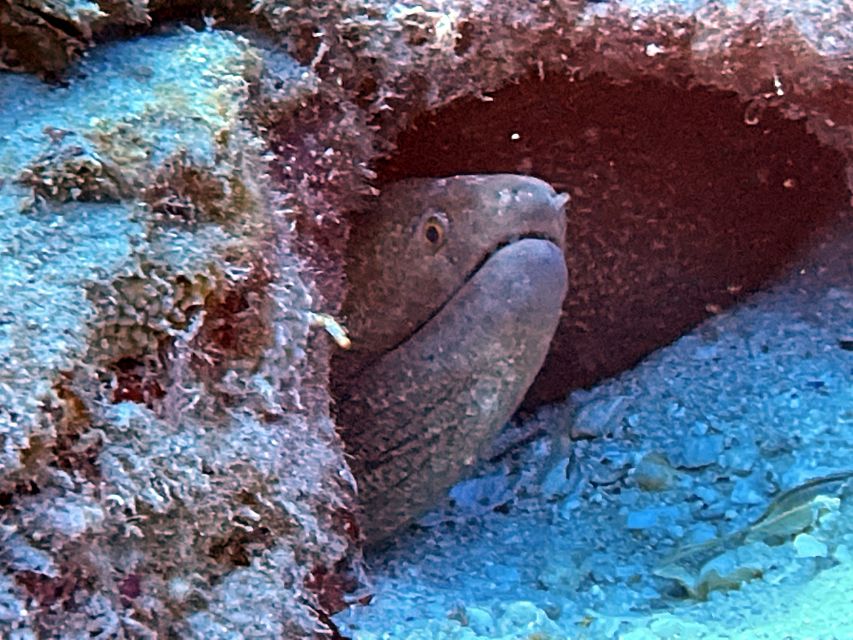
At $248 per person for a 3-hour outing, this isn’t a budget add-on. It’s priced like a guided specialty experience.
The value case is strongest if you factor in what’s included:
- two guided underwater sessions (1 hour + 1 hour)
- a 25-minute safety briefing and a 30-minute surface interval
- gear rental with tanks, wetsuit, BCD, weights, fins
- underwater lights for the darker session
- snacks and refreshments onboard
So you’re paying for more than “time in the water.” You’re paying for guided structure across twilight and darkness, plus the gear and night-light setup that makes those conditions possible.
If you already own everything and don’t need tanks or wetsuit rental, your cost savings might shrink. But for most visitors coming to Oahu, bundling equipment and guided instruction into one price is usually what makes the math work.
Also consider the charter comfort items—sun deck, shaded deck, and restroom. Small things, but they matter when you’re out at night and your schedule is tight.
Who it fits (and who should skip it)
This trip is designed for certified divers, and the restrictions are straightforward:
- Not suitable for children under 15
- Not suitable for pregnant women
- Not suitable for people with pre-existing medical conditions
- You must be able to swim and be in good health
- You must present proof of certification at the boat
If you’re a newer certified diver, this can still be a great experience—as long as you’re comfortable with night conditions and you don’t freeze up when visibility drops. The guides can lead you, but night viewing requires calm control, especially during the darker session.
If you’re looking for a casual snorkel-style outing, this won’t match your expectations. It’s built as a true scuba experience with gear, tanks, and underwater safety standards.
If you hate cold-water surprises, consider this point too: you’ll be in a wetsuit, but Hawaii night conditions can still feel cooler once you’re off the first water time and waiting between sessions.
Quick prep list before you go
Keep it simple and you’ll have an easier start.
Bring:
- swimwear
- towel
- proof of scuba certification (you must present it at the boat)
Plan around the no-fly rule:
- you must not fly within 24 hours after your underwater session
Also note that your instructor and guide communication is in English. If you need specific language support beyond English, you should check first.
Finally, show up ready. The trip asks you to arrive at least 30 minutes early, and that’s your best defense against rushing, missed gear fit, or getting flustered right when you should be relaxed.
Should you book this Oahu night scuba trip?
I’d book this if you want an organized night scuba experience that actually uses timing and light—twilight first, near-darkness second—plus you value having tanks and gear handled for you. The schedule is designed for changing behavior, and the complimentary underwater lights are the practical tool that makes the second session work.
Skip it if you’re not ready for night conditions or you can’t meet the core requirements: certification proof, swimming ability, good health, and the limits around pregnancy and medical conditions. Also, be honest with yourself about the no-fly rule right after.
If you’re a certified diver who wants a structured, gear-included night experience with a chance at big marine highlights like sharks and turtles, this is the kind of outing that tends to satisfy the whole reason you came to Oahu.
FAQ
Do I need to be a certified diver?
Yes. You must be a certified diver and present proof of your certification at the boat.
How long is the experience?
It’s about 3 hours total, including the safety briefing, two guided underwater sessions, and a break.
What happens first, twilight or night?
You’ll start at twilight for the first guided underwater session, then return for snacks and a surface break, and go back out again for the second guided underwater session in near darkness.
Are underwater lights provided?
Yes. You’ll have complimentary underwater lights for the second, darker session.
What gear is included in the rental?
Included gear covers 2 tanks, underwater lights, wetsuit, weights, fins, and a BCD.
What marine life might I see?
The experience lists likely encounters such as sharks, turtles, eels, rays, octopus, starfish, crabs, Hawaiian endemic fish, and dolphins.
Is parking included?
No. Parking isn’t included, but there is parking at Kewalo Basin for $1 an hour and free parking at Ala Moana Beach Park.
Where do I meet the group?
Meet at the harbor, front row, slip 8, and look for the large picture of a turtle.
What should I bring?
Bring swimwear, a towel, and your diving certification proof.
Can I fly the day of the trip?
No. You must not fly within 24 hours after your underwater session.
Is the tour offered in English?
Yes. The instructor and guide communication is in English.
Once the Sun Is Down


More Tour Reviews in Oahu

Under Oahu: More Dives
Just Reviewed: More Oahu Tours

Scuba Diving Tours, compared.
 ★ 5.0Beginner Scuba Diving Experience with Video Package in HonoluluFrom $77877 reviews
 ★ 5.0Certified Diver: 2-Tank Deep Wreck and Shallow Reef Dive Off OahuFrom $248331 reviews
 ★ 4.5Incredibly Fun Coral Reef Giant Sea Turtles 4hour Boat Scuba TourFrom $299300 reviews
 ★ 5.0Certified Diver: 2-Tank Shallow Reef Dives off OahuFrom $141278 reviews
 ★ 4.5Waikiki 2 Tank World Class Wreck SCUBA Diving – Certified OnlyFrom $269205 reviews
 ★ 5.0DISCOVER Scuba Diving Experience in HonoluluFrom $141202 reviews
 ★ 4.8Waikiki Discovery Scuba Diving for BeginnersFrom $27099 reviews
 ★ 4.7Waikiki: Honolulu Beginner Scuba Diving with VideosFrom $7994 reviews
Where else this tour ranks