
Reviewed · EVENING EXPERIENCES
Honolulu Sunset & Light Painting Experience
A night photo tour in Honolulu should be fun. This one is: you move from the sunset at China Walls to the night-sky lookout at Makapu‘U, then finish on the beach for light painting and steel wool photos. You’ll also get practical camera-and-phone coaching, not just a scenic ride.
I especially love the small-group feel, with a max of seven people, so you’re not stuck watching from the sidelines. And the hands-on gear matters here too: tripods and light-painting tools are included, which makes the difference between trying it once and actually getting results.
One thing to consider: this experience depends on good weather. If clouds or rain roll in, you may not get the full view you hoped for.
In This Review
- What Makes This Honolulu Sunset + Light Painting Tour Worth Your Time
- Why Night Photography on Oahu Works So Well
- China Walls: Sunset Photos with a Big View
- Makapu‘U Point: Learning the Night-Sky Setup
- Makapu‘U Beach: Light Painting and Steel Wool Photos
- Tripods, Light-Painting Tools, and the Phone Tips That Matter
- Logistics That Affect Your Experience: Pickup, Duration, and Weather
- What to Wear and Bring for a Smooth Night Shoot
- Who This Tour Fits Best (and When to Think Twice)
- Should You Book This Honolulu Sunset & Light Painting Experience?
- FAQ
- Where does the tour start and end?
- Is pickup included?
- How long is the experience?
- How many people are in the group?
- What’s included in the tour?
- Is bottled water provided?
- Are the stops free to enter?
- What happens if the weather isn’t good?
- Can I get a full refund if I cancel?
What Makes This Honolulu Sunset + Light Painting Tour Worth Your Time
- Small group attention (up to 7), so your questions don’t get lost in the dark
- China Walls to Makapu‘U to the beach gives you real variety in subjects and lighting
- Tripods + light-painting tools included, so you can focus on technique
- Steel wool night photos add a dramatic, memorable wow factor
- Guides coach night photography, including tips for iPhone long exposures on some nights
Why Night Photography on Oahu Works So Well
Honolulu at dusk has a built-in cheat code: you get that long gradient from sunset glow into real night. That matters because night photography is all about timing. You’re learning how to set up before it gets too dark, then you’re practicing as the light changes.
This tour is designed around that rhythm. You start at a sunset spot, then you shift to a lookout for night-sky familiarization, and you end at a beach where you can do controlled creative work like light painting and steel wool. That flow is exactly what you want if you’ve never shot stars, long exposures, or creative light trails.
And because you’re not with a huge crowd, you have a better shot at learning the specific adjustments that help your camera or phone. Some guides also bring iPhone-friendly instruction into the mix, including advice on exposure and long-exposure style shooting—handy if that’s what you’ll use on the rest of your trip.
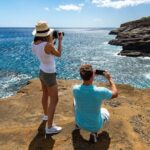
More frames from around the island
- From Waikiki: Best of Oahu Photo Tour with Pickup★ 4.9 · 274 reviews
- Beautiful Colors of Hawaii Photo Tour★ 5.0 · 165 reviews
- Honolulu Sea-Cliff with Sunset Photo Adventure★ 5.0 · 94 reviews
- Flying Dress Photoshoot on Oahu★ 5.0 · 92 reviews
China Walls: Sunset Photos with a Big View
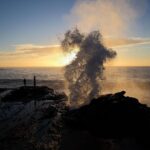
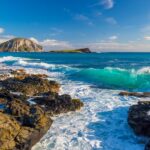
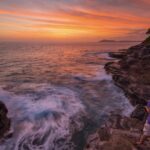
Your first stop is China Walls, a classic Oahu location for watching the sun drop and framing dramatic shots. This is your warm-up, both visually and technically. The goal here is to get comfortable composing photos in the strongest light you’ll see all evening, then start thinking about how your settings will change once the sky darkens.
You’ll spend about an hour here. In practice, that usually gives you time to:
- Take a few wide shots before the light fades
- Test a tripod setup so you’re not rushing when it’s time for longer exposures
- Get guidance on what to capture from the rocks and coastline angle
Why I like this stop: it’s a great place to build confidence. If you’ve been nervous about night photography, China Walls is where you can succeed early—then the rest of the night makes more sense.
A drawback to watch for: if weather is iffy, sunsets can get swallowed by clouds. And since this is a weather-dependent experience, you’ll want to think of this hour as your best chance to lock in the “before the stars” part.
Makapu‘U Point: Learning the Night-Sky Setup
Next you head to Makapu‘U Point, where the vibe shifts from sunset energy to night-sky focus. This stop is shorter—about 30 minutes—so it’s less about hanging out and more about getting ready.
Here’s what this part is for: you’ll get familiar with the lookout and the gear, and you’ll be guided on how to approach the night sky once you’re no longer dealing with sunset-level light. Even if you’re using a phone, this stop helps because it sets expectations. Night photography isn’t just turning the shutter longer. It’s about stability (tripod), timing, and getting your composition right before the stars start doing their thing.
What you can expect: you’ll likely test and adjust your setup quickly, because once it’s dark, there’s less room for mistakes. Guides tend to keep things moving, especially with a small group.
Consideration: because the stop is brief, come with curiosity and questions. If you spend that time fiddling without asking for help, you might miss the point.
Makapu‘U Beach: Light Painting and Steel Wool Photos
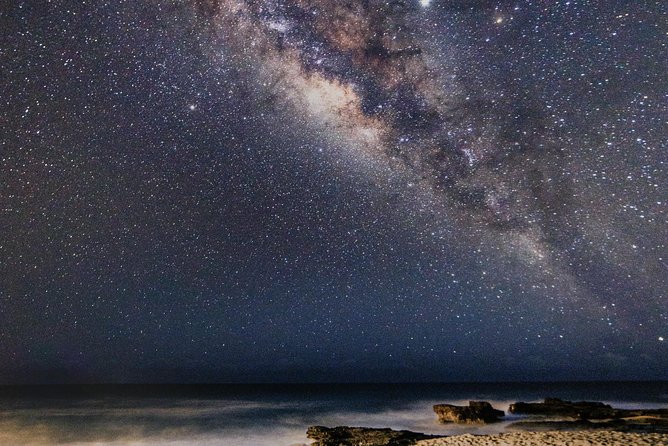
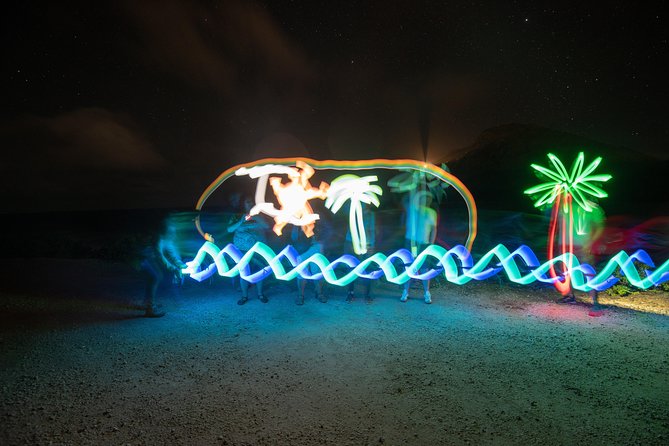
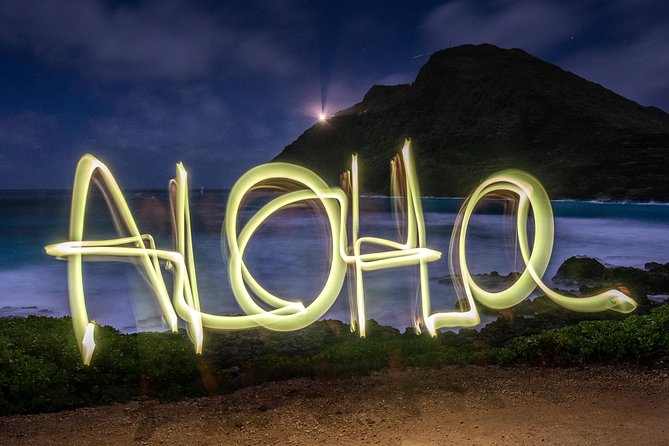
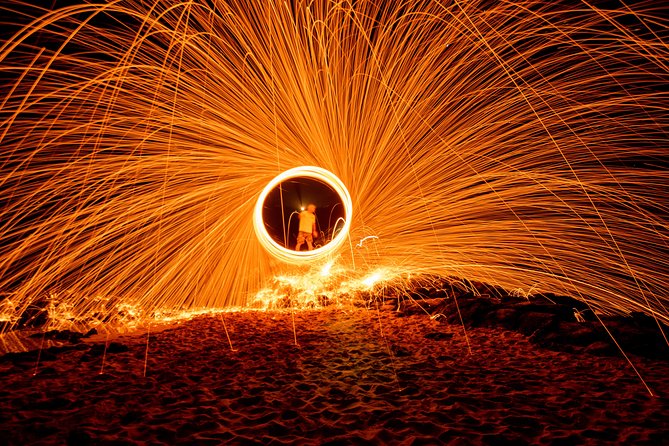
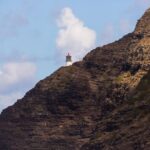
Your final stop is Makapu‘U Beach, and this is where the tour turns from learning to doing. You’ll spend about one hour here, capturing stars and lighthouse views, plus working through light painting and steel wool photos.
This is the most “hands-on” part of the evening, and it’s also the most memorable. Light painting changes your photos from passive sightseeing into something you create. Steel wool adds motion and sparks, which can look incredible in a properly timed long exposure—dark sky gives you the contrast you need.
Why this stop is so effective for first-timers: once you’ve practiced your stability and framing at the earlier locations, the beach becomes your sandbox. The horizon, lighthouse element, and open sky are good stages for long-exposure techniques.
One review detail I found especially useful: some guides actively coach people on night shooting using iPhone setups, including exposure-style tips. That helps here, because at the beach you’re not just chasing stars—you’re creating motion trails and light patterns that need a steady base.
Possible drawback: steel wool and creative night techniques require patience and careful timing. If you’re hoping for a fully relaxed stroll, this part may feel more like a workshop than a casual viewing session.
Other ways into an island evening
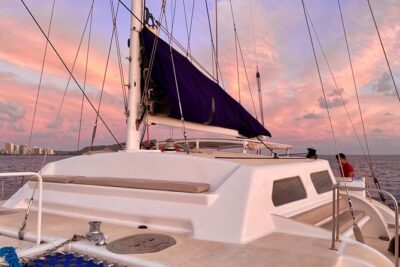
- Oahu’s Waikiki Coast: Moana’s Sunset Cocktail Sail
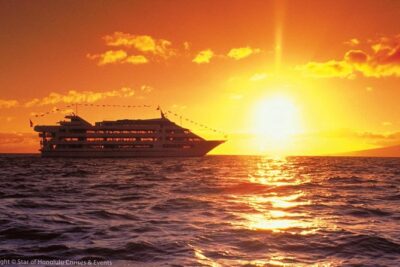
★ 5.0 · 2,205 reviews - Honolulu: Three Star Deluxe Sunset Dinner Cruise and Show
★ 4.5 · 1,204 reviews - Sunset Dinner Cruise in Honolulu, Hawaii
★ 4.0 · 1,023 reviews - Waikiki Signature Sunset Catamaran Sail
★ 4.5 · 890 reviews - Oahu Catamaran Waikiki Sunset on 40 Foot Catamaran: Food and BYOB
★ 5.0 · 836 reviews
Tripods, Light-Painting Tools, and the Phone Tips That Matter
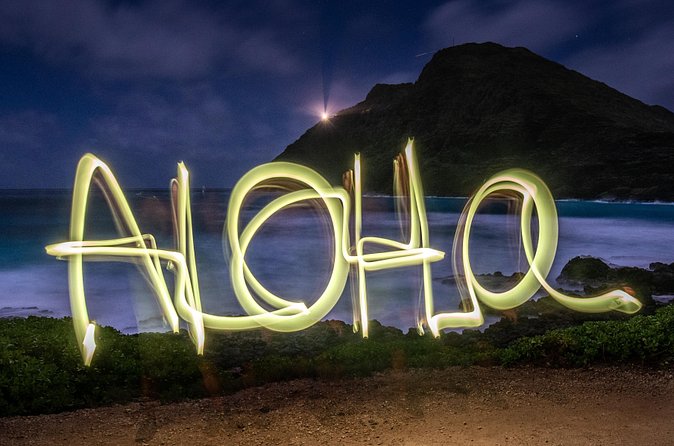
The tour includes tripods and light-painting tools, which is a big deal. Tripods solve the biggest beginner problem in night photography: blur from shaky hands. Light-painting tools let you experiment with controlled trails instead of guessing what will work.
But the real value is in how guides translate technique into something you can use immediately. Based on guide feedback from past groups, some guides like Mac, Andrew, Curt, Malcolm, and Mica focus on making night shots click with clear instructions. A few key themes show up:
- Setting up quickly on a tripod so you can shoot longer exposures confidently
- Understanding exposure basics—especially the idea of longer capture times for night scenes
- Using an iPhone effectively with long-exposure style shooting advice (including small “tricks” and exposure approaches)
If you’re traveling with a phone-only camera, this is the moment that can upgrade your whole trip photo style. Even if you’re not trying to recreate the exact light paintings, learning how your phone behaves at night can give you better star and city-edge shots later.
Logistics That Affect Your Experience: Pickup, Duration, and Weather
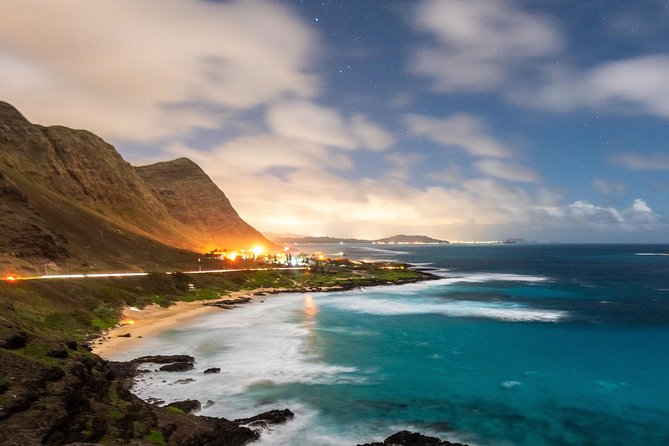
The tour runs about 4 hours. That’s a good length for learning without turning into an all-night ordeal. You’re out during the prime sunset-to-dark window, and you’re done while you still feel alert.
Pickup is available, but only at selected hotels in Waikiki. The meeting start point is at the Honolulu Zoo (151 Kapahulu Ave, Honolulu, HI 96815), and the activity ends back at the meeting point. If you’re in Waikiki, confirm pickup directly so you don’t waste time figuring out where to meet in the dark.
Small group size also changes the experience. With a maximum of seven travelers, it’s easier to get individualized help—especially when you’re adjusting settings or trying a new light-painting motion.
Now for the big practical point: good weather is required. If clouds, rain, or haze move in, night visibility and sunset clarity both suffer. The good news is that this kind of tour usually adjusts where it can, but you should still plan on the idea that the sky is the final boss.
Also note: bottled water isn’t provided, and there’s no food or drinks on the tour. Bring your own water so you’re not stuck feeling dehydrated while you’re waiting for your next shot.
What to Wear and Bring for a Smooth Night Shoot
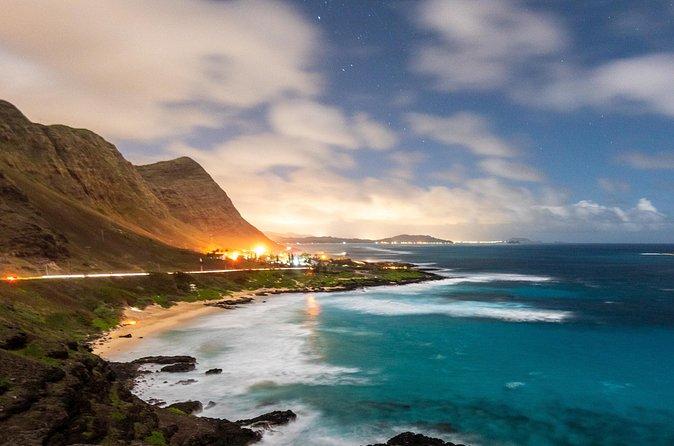
Night photography can be cold-ish and uncomfortable fast, even in Hawaii. The tour itself doesn’t specify a dress code, so I’ll give you practical guidance that matches how these shoots typically feel:
- Wear shoes you can stand in for stretches of time (tripods mean you’re planted)
- Bring a light layer for after sunset
- Have a fully charged camera or phone
- Bring your own water since it’s not included
If you’re doing steel wool photography, your guide will handle the specifics. Still, keep in mind you’ll likely be moving in the dark around the beach area, so don’t dress like you’re going to dinner.
Who This Tour Fits Best (and When to Think Twice)
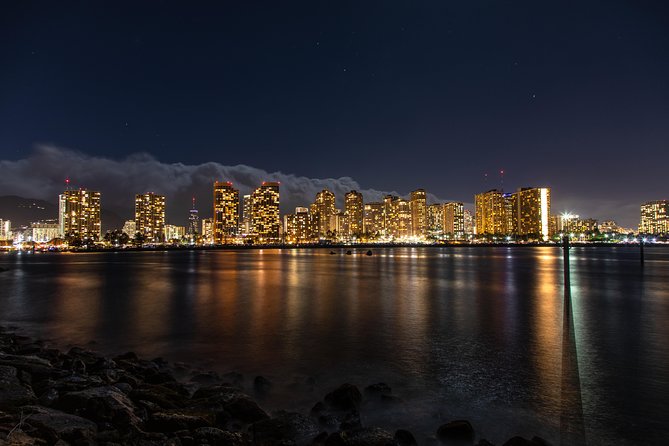
This is a great fit if you:
- Want your sunset photos to turn into real night-sky images
- Like hands-on activities where you learn by doing
- Travel with a partner or family and want a small-group vibe
- Are curious about iPhone night photography and long exposure methods
It’s also a good choice if you’re the kind of traveler who likes “one memorable creative project” rather than only stacking landmarks.
When to think twice:
- If you’re very weather-sensitive, remember this needs good conditions to shine
- If you’re traveling with younger kids and you care a lot about how jokes and conversation are handled, it’s worth considering that one past review flagged concerns about tone. Most groups seem to find the experience fun and patient, but if that’s a deal-breaker for you, you should ask about the style you can expect before booking
Should You Book This Honolulu Sunset & Light Painting Experience?
I’d book it if you want to leave Oahu with photos you made yourself at night—not just screenshots of scenery. The combination of China Walls sunset, a Makapu‘U lookout warm-up, and Makapu‘U Beach creative shooting is well matched to how night photography actually works. The inclusion of tripods and light-painting tools means you won’t be improvising in the dark.
It’s also a strong value because you’re paying for instruction and setup, not just access to a viewpoint. And with up to seven people, you should feel like you’re getting real coaching rather than following a pace line.
Just go in with two expectations: the sky matters, and you’ll get the best results if you’re willing to practice and ask questions. If that sounds like you, this tour is one of the most practical ways to level up your Honolulu night photos.
FAQ
Where does the tour start and end?
The tour starts at the Honolulu Zoo, 151 Kapahulu Ave, Honolulu, HI 96815, USA. It ends back at the meeting point.
Is pickup included?
Pickup is offered only at selected hotels in Waikiki. You need to call the provider directly to confirm your pickup location.
How long is the experience?
The duration is about 4 hours.
How many people are in the group?
This tour has a maximum of 7 travelers.
What’s included in the tour?
Included are tripods and light-painting tools.
Is bottled water provided?
No. Bottled water is not provided, and there is no food or drinks on this tour.
Are the stops free to enter?
The stops listed include free admission tickets.
What happens if the weather isn’t good?
This experience requires good weather. If it’s canceled due to poor weather, you’ll be offered a different date or a full refund.
Can I get a full refund if I cancel?
Yes—free cancellation is available up to 24 hours in advance for a full refund.
Once the Sun Is Down

More Tour Reviews in Oahu


More Frames of the Trip

Just Reviewed: More Oahu Tours
Evening Experiences, compared.
 ★ 5.0Oahu’s Waikiki Coast: Moana’s Sunset Cocktail SailFrom $892,205 reviews
 ★ 4.5Honolulu: Three Star Deluxe Sunset Dinner Cruise and ShowFrom $1931,204 reviews
 ★ 4.0Sunset Dinner Cruise in Honolulu, Hawaii1,023 reviews
 ★ 4.5Waikiki Signature Sunset Catamaran SailFrom $89890 reviews
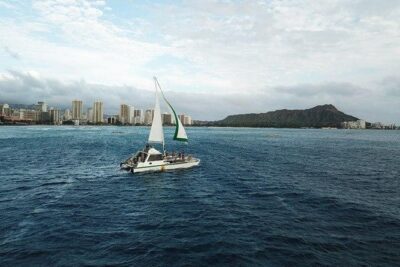 ★ 5.0Oahu Catamaran Waikiki Sunset on 40 Foot Catamaran: Food and BYOBFrom $44836 reviews
 ★ 5.0BYOB Sunset Cruise off the Waikiki CoastFrom $44694 reviews
 ★ 4.5Honolulu: Pacific Star Sunset Dinner Cruise and ShowFrom $139633 reviews
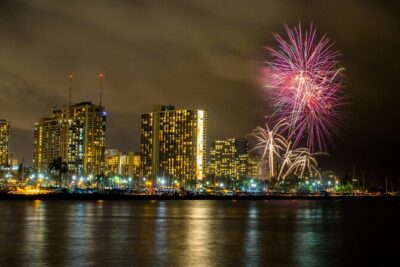 ★ 4.5Waikiki: Friday Night Fireworks Catamaran CruiseFrom $67610 reviews
Where else this tour ranks