
Reviewed · KO OLINA & WEST OAHU
Marine Ecology Snorkel from Electric Beach Oahu with Photos
Snorkeling Oahu with a marine biologist changes everything. This Marine Ecology Snorkel turns a simple water outing into an in-water classroom at Kahe Point, with a small group and real-time explanations of what you’re seeing. I love the semi-private size (maximum 5, guaranteed) because it makes it easier to feel safe and ask questions, and I also love the included complimentary photo package, since you get proof of what you spotted under the surface.
The biggest consideration is motion sickness. The ocean can feel like a moving floor at Kahe Point, and a couple of people in the group needed medicine. If you’re prone to nausea, plan ahead so the hour of snorkeling feels fun instead of fight-the-feeling.
In This Review
- Key highlights you’ll care about
- Marine biologist snorkeling at Kahe Point Beach Park
- The 2-hour format: what your time really looks like
- Semi-private snorkeling with a maximum of 5
- In-water snorkeling: multiple habitats, real-time explanations
- What “Marine Ecology” means in practice
- Snorkeling gear and the photo package value
- Safety, comfort, and the motion sickness reality
- Meeting point in Kapolei: easy start, no mystery
- Price and value: is $125 worth it?
- Who this marine ecology snorkel is best for
- A few tips so your hour in the water feels better
- Should you book the Marine Ecology Snorkel from Electric Beach Oahu?
Key highlights you’ll care about
- Guaranteed small group (max 5): you’ll snorkel with less crowd noise and more space for questions.
- Marine biologist guide in the water: you don’t just see life—you learn how it fits the reef.
- One full snorkeling hour: you get meaningful time in the water inside a total ~2-hour experience.
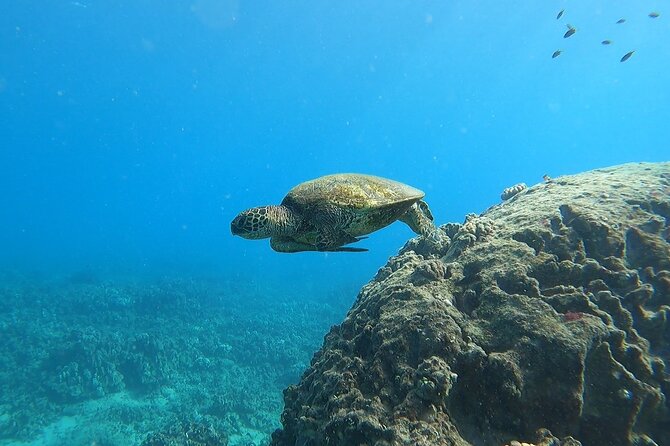
- Kahe Point Beach Park setting: a classic Oahu reef area where you might spot reef fish, sea turtles, monk seals, and eagle rays.
- Photo package included: you leave with pictures instead of only blurry phone memories.
- Briefing before you enter: you start with a site overview so you know what to look for once you’re in the water.
Marine biologist snorkeling at Kahe Point Beach Park
This tour is built around one core idea: snorkeling is more fun when you understand the system you’re floating over. At Kahe Point Beach Park, you’re not treated like a passive spectator. Your marine biologist guide explains what the reef needs, what different animals do, and why the whole place works the way it does.
I like that the learning isn’t stuck in a lecture room. The explanations happen while you’re already in the water, so the story matches what your eyes are seeing. That makes the experience feel practical: coral reef ecology becomes something you can point at, not just something you read about later.
You may also notice the guide keeps it respectful and place-based. One helpful detail I’d pay attention to: you’ll hear Hawaiian uses and names for species, which gives context beyond biology facts. It’s a good reminder that this reef isn’t just a tourist attraction—it’s part of living culture and a specific shoreline.
Over to the dry, sunny west side
- Pearl Harbor History Remembered Tour from Ko Olina★ 5.0 · 1,009 reviews
- Ko Olina Catamaran Sail and Snorkel with Lunch★ 5.0 · 630 reviews
- Oahu: Dolphin Swim and Turtle Snorkel Excursion in Waianae★ 4.8 · 590 reviews
- West Oahu Dolphin Watch and Snorkel Sail with Lunch★ 4.5 · 320 reviews
The 2-hour format: what your time really looks like
The total experience runs about 2 hours, and that timing matters. You’re not stuck out there all day, but you do get a real chunk of water time. After a quick arrival briefing, you go into the ocean for about 1 hour of snorkeling.
That split is ideal for most people because it balances two needs:
- time to get your body comfortable
- time to actually see marine life well enough to care
The briefing is short, but it sets you up. You’ll learn about the snorkel site, get basic reef info, and have a chance to ask questions and share what you’re most interested in. If you care about sea turtles, for example, you can frame your attention early instead of hoping you’ll randomly spot one.
After you finish snorkeling, you return back to the meeting point. There’s no long, uncertain wrap-up that stretches your schedule.
Semi-private snorkeling with a maximum of 5
This is not a big-boat, big-group situation. You’re capped at 5 travelers, and the tour is guaranteed to stay under that number. That small size makes the biggest difference when you’re in the water.
First, safety feels more personal. In small groups, the guide can keep an eye on everyone’s comfort level without turning the experience into a mass line. You’re more likely to get quick check-ins if you feel tired, unsure, or nervous.
Second, questions land better. When there are only a few people, you can ask what you want to know—how to identify what you’re seeing, why certain animals are where they are, or what coral health looks like. The guide can tailor the talk to your curiosity instead of delivering a one-size script.
A lot of the calm, supportive vibe comes down to the guide team you’ll work with. In particular, Talia (a marine biologist) and Randy (who looks after comfort and safety) are mentioned as being both enthusiastic and focused on making sure kids and less confident swimmers felt okay.
In-water snorkeling: multiple habitats, real-time explanations
Once you’re geared up, the tour becomes your moving lesson plan. You’ll snorkel in a way that lets you see different “rooms” of the reef system—different micro-habitats where different animals tend to show up.
You might spot:
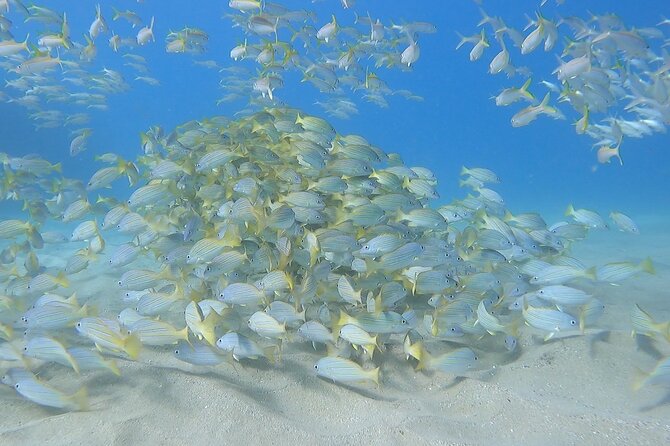
- reef fish
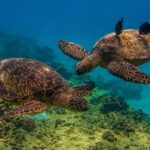
- sea turtles
- monk seals
- eagle rays
- and other marine life
A key thing here is that sightings are treated as teaching moments, not just luck. When you see fish weaving through coral, the guide can connect that behavior to reef ecology—what the fish are likely eating, what shelters them, and how the reef supports the food chain.
When turtles appear, you’re not just admiring them. You get context about sea turtle ecology and how their presence connects to the health and balance of the reef. Same with other animals. Even if a specific animal isn’t guaranteed, the approach still gives you a better understanding of the reef dynamics.
You’ll also walk away with a clearer mental map of how coral reefs function. The guide compares it to busy city life—lots of activity, lots of roles, and lots of cause-and-effect. That’s exactly what makes it worth doing: the reef becomes easier to read.
A few more Oahu tours to weigh up before you book:
- From Waikiki: Best of Oahu Photo Tour with Pickup
★ 4.9 · 274 reviews - Beautiful Colors of Hawaii Photo Tour
★ 5.0 · 165 reviews - Private 1-on-1 Surf Lesson with Videos and Photos
★ 5.0 · 107 reviews - Flying Dress Photoshoot on Oahu
★ 5.0 · 92 reviews - 3 Hour Sunrise Photo Tour with Malasada
★ 5.0 · 81 reviews
What “Marine Ecology” means in practice
On paper, marine ecology can sound academic. In the water, it turns into pattern recognition.
Here’s what you’ll actually get out of the education style:
- You’ll learn what you’re seeing, not just that it’s there. Coral reef ecology becomes a practical framework.
- You’ll understand species as part of a system. Instead of isolated facts, you’ll learn how each animal’s behavior supports the ecosystem.
- You’ll connect animals to habitats. Different spots bring different life, so your attention improves as you move through the snorkel area.
- You’ll learn about endemic and reef-specific species. You’ll hear about species tied closely to Hawaii, so it doesn’t feel like generic ocean life.
One detail I really appreciate: the tour invites you to say what you care about during the briefing. If you’re most excited about turtles or the science side, you can steer the conversation so the tour fits your own curiosity.
Snorkeling gear and the photo package value
All snorkeling equipment is included, which keeps decision fatigue low. You show up, get what you need, and focus on being comfortable in the water.
Then there’s the photo package. For $125 per person, photos might not seem like the main selling point—until you realize how hard it is to get clean underwater shots on your own. Having a complimentary package built into the tour is a smart value add because:
- it reduces the pressure to capture everything yourself
- it gives you a record of the life you actually saw
- it helps you remember what you learned later
If you care about sharing travel memories (or simply want proof you experienced the reef), this included element is one of the easiest wins.
Safety, comfort, and the motion sickness reality
Snorkeling in Oahu ocean conditions can be smooth—or it can feel bouncy. The tour includes support, and the guide team is attentive to comfort. People who weren’t fully ready for the ocean were helped to settle in safely, and less confident swimmers were looked after so they didn’t feel left behind.
Still, I’d treat ocean motion as a real variable. If you’re the kind of person who gets motion sickness in cars or boats, consider bringing medicine or talking to a pharmacist before you go. One practical note: a group member expected to adjust once they were out there, and it worked for them, but they’d rather have handled the nausea better next time.
Also keep your expectations matched to the format. You’ll spend about 1 hour snorkeling, so you’re not trying to power through for longer than your comfort level. Tell your guide early if you’re feeling off. In a max-5 group, that matters.
Meeting point in Kapolei: easy start, no mystery
You’ll meet at 92-301 Farrington Hwy, Kapolei, HI 96707. The tour ends back at the meeting point, so you don’t need to plan a second transit step after you’re done.
It’s also listed as near public transportation. If you’re riding from elsewhere on Oahu, that can make the day easier to organize.
One thing I recommend: arrive with enough time to get oriented before you hit the water. Even if the briefing is short, the quick start helps you feel confident once your snorkel gear is on.
Price and value: is $125 worth it?
At $125 per person, you’re paying for more than a standard snorkeling hour. You’re paying for:
- a marine biologist guide
- a guaranteed max-5 group size
- included snorkeling equipment
- an included complimentary photo package
- a structured format that pairs learning with what you see
If you’re the type of traveler who enjoys “seeing” and also wants to understand what you’re seeing, this price can feel fair. You get guided interpretation in real time, which is hard to replicate on your own. A typical self-guided snorkel might get you the view, but not the ecology lesson that makes the reef feel readable.
If you’re only looking for casual, low-effort snorkeling and you don’t care about explanations, you might prefer a cheaper option. But if you like your vacation with a side of science—and a guide who helps you look at the reef the right way—this is a solid use of your Oahu time.
Who this marine ecology snorkel is best for
This tour fits best if you:
- want a calm, small-group snorkel instead of a crowded outing
- like learning while you travel, especially science tied to real places
- care about sea turtles, reef life, and understanding coral reef ecology
- want a guide who checks in on safety and comfort
It’s also a good choice for families. Kids who were nervous at first still had a great time, and the guide approach included making sure swimmers felt safe and comfortable.
If you’re expecting a long, all-day adventure, this isn’t that. It’s efficient: short briefing, about 1 hour in the water, then you’re back. For many people, that’s perfect.
A few tips so your hour in the water feels better
Based on what you’ll likely experience, here are practical moves that match the tour setup:
- Plan for motion: if you’ve had nausea before, consider medicine rather than waiting to see how you feel.
- Share your interests early in the briefing so the guide can tailor attention.
- Watch for the “city life” patterns: coral reefs have roles and routines—once you start seeing that, your whole snorkel changes.
- Don’t rush: the guide team is there to help you settle in, especially if you’re not an experienced ocean swimmer.
You’ll get more out of the tour when you treat it like a guided field lesson instead of a race to spot the biggest animal.
Should you book the Marine Ecology Snorkel from Electric Beach Oahu?
Book it if you want snorkeling with meaning. The small group size, the marine biologist approach, and the included photo package make the experience feel complete, not just “time in the water.” If you’re curious about coral reef ecology and want your eyes guided to what matters, this is a strong choice.
Skip it only if you want a very low-cost, no-structure snorkel and you’d rather not spend your time learning. Also think twice if ocean motion usually makes you miserable—unless you can realistically manage that with medicine or you know you recover quickly.
If you’re in the sweet spot—open-minded, comfortable with the ocean, and excited to learn—this tour is one of the more rewarding ways to experience Oahu’s reef life.
More Photography Sessions in Oahu



More Tour Reviews in Oahu


The West Side: Ko Olina and Around


Just Reviewed: More Oahu Tours

Ko Olina & West Oahu, compared.
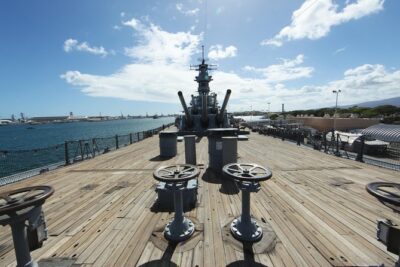 ★ 5.0Pearl Harbor History Remembered Tour from Ko OlinaFrom $1541,009 reviews
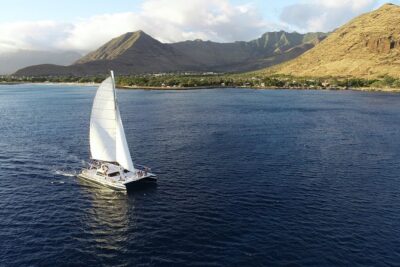 ★ 5.0Ko Olina Catamaran Sail and Snorkel with LunchFrom $195630 reviews
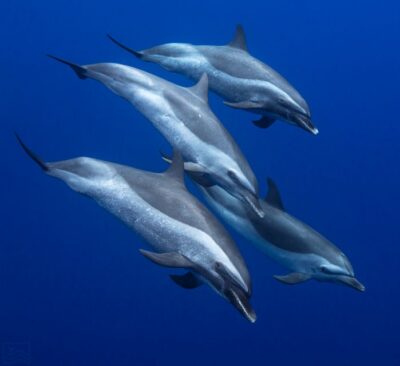 ★ 4.8Dolphin Swim and Turtle Snorkel Excursion in WaianaeFrom $193590 reviews
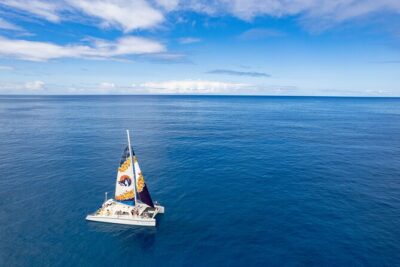 ★ 4.5West Oahu Dolphin Watch and Snorkel Sail with LunchFrom $125320 reviews
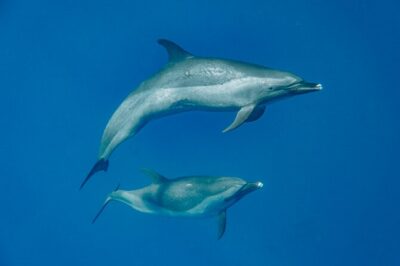 ★ 5.0Swim With Dolphins & Turtles in West Oahu (Semi-Private Tours)From $200200 reviews
 ★ 4.5West Oahu Sunset Cocktail Cruise with AppetizersFrom $89185 reviews
 ★ 4.5West Oahu Afternoon Turtle Snorkel SailFrom $8971 reviews
 ★ 4.9West O’ahu: Swim with Dolphins Catamaran CruiseFrom $18770 reviews
Where else this tour ranks