

Reviewed · LUAU & POLYNESIAN SHOWS
Immersive Luau Experience
This luau starts in the cooking pit. You’ll get hands-on with the Imu rock oven and learn practical cultural skills like Ti leaf lei weaving and pounding taro for poi, not just sit and watch. The food comes right after, and the whole event has that family-style feel people talk about.
I also like the focus on meaning, not only moves. You’ll hear concepts like Malama Aina and Aloha Aina while you’re doing the work. The main drawback is simple: this experience requires good weather, and the evening is active, so bring the right attitude if you want to participate.
In This Review
- Key things I’d circle before you go
- Entering Hauula with an Oli Aloha welcome
- Preparing the Imu rock oven (and seeing why it’s more than cooking)
- Ti leaf lei weaving and pounding kalo poi
- Malama Aina and Aloha Aina: the land lessons behind the activities
- Fireknife drumming and a Samoan fireknife dance lesson
- Dinner from the Imu plus Fat Poi catering
- Value at $175: what you’re really paying for
- Timing, weather, and getting to Hauula
- Who should book this hands-on luau?
- Should you book this luau with Oahu Experiences?
- FAQ
- How long is the Oahu luau experience?
- Where does the experience start, and what time does it begin?
- How much does it cost per person?
- Will I need a physical ticket?
- What is the maximum group size?
- Are service animals allowed?
- What happens if weather is poor?
Key things I’d circle before you go
- A 4:00 pm start in Hauula: expect a full 2 hours 30 minutes of food + cultural lessons.
- Oli Aloha welcome: you’re greeted with a traditional Hawaiian chant before anything else happens.
- Imu rock oven prep with guests: you help build and later open the oven.
- Hands-on lei and poi making: weave Ti leaf lei and pound kalo into poi.
- Samoan fireknife coaching: learn fireknife drumming and a fireknife dance element.
- Small-group setup (max 50): it’s built for participation, not a huge cattle-call.
Entering Hauula with an Oli Aloha welcome
The night begins at 53 Puhuli St, Hauula, with you arriving a bit before the action starts at 4:00 pm. The first thing you’ll feel is the tone: you’re met by the ohana (family) and welcomed with Oli Aloha, a traditional Hawaiian chant.
That matters more than you might think. Many luau-style shows lead with performance first and meaning later. Here, the welcome comes upfront, which sets you up to pay attention during the lessons and the meal. You don’t just show up for dinner; you’re invited into the rhythm of the evening.
Also, the group size cap of 50 people helps. When there aren’t thousands of seats to fill, the hosts can actually guide you while you’re doing hands-on tasks. You’ll spend less time waiting for a turn and more time learning what’s happening and why.
More luau nights and island stages
- Toa Luau at Waimea Valley, Oahu★ 5.0 · 3,350 reviews
- Chief’s Luau Admission★ 4.5 · 3,018 reviews
- Waikiki Luau Buffet with Optional Rock-A-Hula Show Ticket★ 4.5 · 1,572 reviews
- Oahu: Ka Moana Luau Dinner and Show at Aloha Tower★ 4.3 · 1,087 reviews
Preparing the Imu rock oven (and seeing why it’s more than cooking)
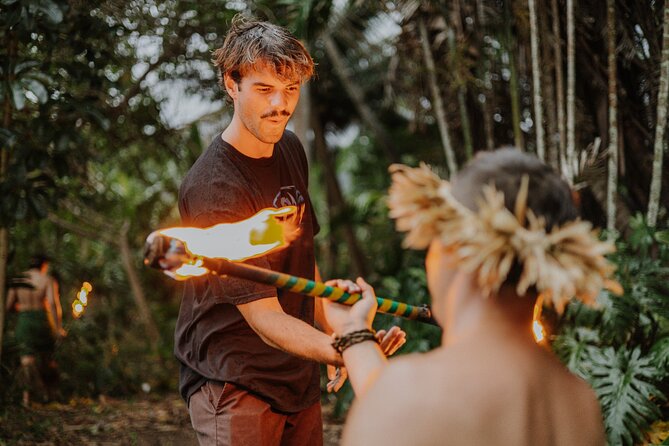
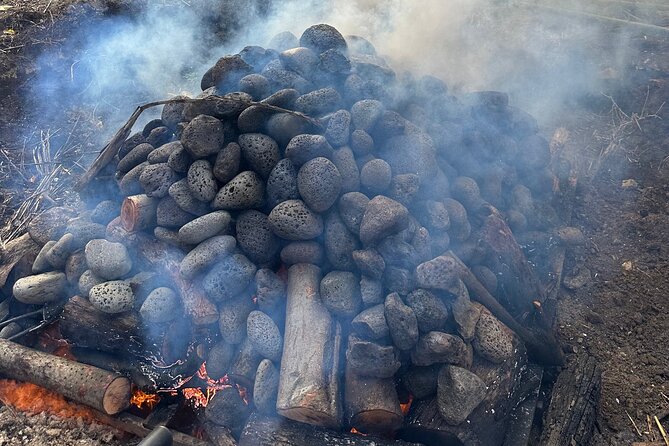
Next comes the star activity: preparing the Hawaiian-style Imu rock oven. You’ll join the process alongside the ohana, so you’re not watching from a distance. The idea isn’t to make you a professional oven-builder. It’s to help you understand the steps, the care, and the communal mindset behind cooking this way.
Here’s what I like about this format for real travelers: it turns dinner into a story you can follow. When you later open the oven and eat, you’ll recognize what you helped prepare and why the timing and heat matter.
One practical note: since you’re doing active work and likely spending time outdoors, plan for comfort. Wear shoes you can move in, and if you’re sensitive to heat or sun, bring a hat and water. (You’ll appreciate it once the evening shifts into food-prep energy.)
Ti leaf lei weaving and pounding kalo poi
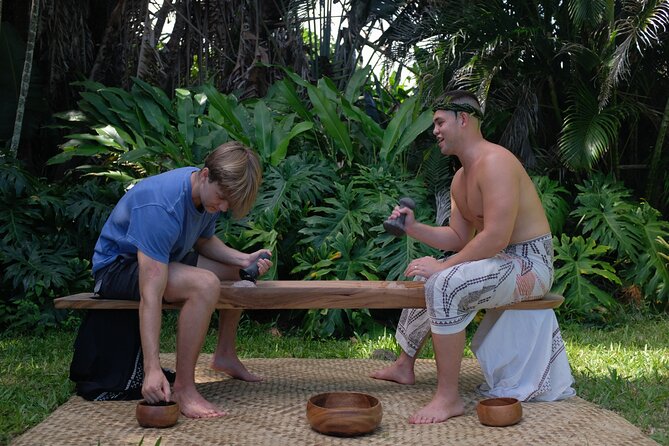
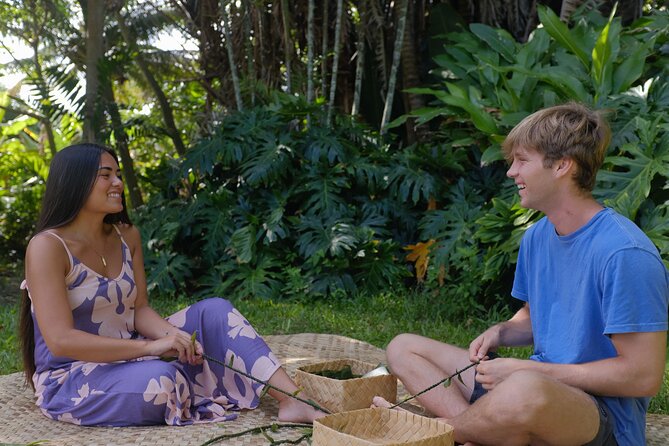
After the oven work, the night shifts into craft and food. You’ll learn to weave a Ti leaf lei, a Hawaiian tradition that’s both decorative and meaningful. This isn’t the kind of lei making where you watch someone do it fast and call it a lesson. You’re learning the process as part of the experience.
Then you’ll pound kalo (taro) into poi, which is a Hawaii staple. Poi isn’t a garnish. It’s part of how many locals understand food and daily life. When you actually work taro into poi, you start to grasp why it’s valued: it’s labor, it’s technique, and it’s care.
If you’re traveling with kids, this section can be a highlight. It turns the evening into something they can participate in, not just something they can tolerate. Even if your first try isn’t perfect, the point is the hands-on learning.
Small drawback to keep in mind: your clothes will likely get a little work-worn. If you care about keeping everything spotless, wear something you can relax in.
Malama Aina and Aloha Aina: the land lessons behind the activities
A lot of cultural experiences stop at performance. This one adds something more useful: concepts tied to the land, explained while you’re doing the work.
You’ll learn about Malama Aina, which centers on taking care of the land, and Aloha Aina, which focuses on loving the land. These ideas aren’t presented like trivia. They’re connected to the hands-on activities: the plants you handle, the food you prepare, and the respect shown in how the evening is structured.
I like this approach because it gives you context you can carry beyond the event. You’ll know what to ask about afterward instead of just saying it was nice. And if you’re the kind of traveler who likes meaning as much as meal time, this is where the experience earns its place.
- Waikiki Trolley Blue Line Coastline & Local Grindz Hop-on Hop-off
★ 5.0 · 4,159 reviews - Oahu Circle Island Tour with Waimea Waterfall
★ 5.0 · 3,912 reviews - Oahu’s North Shore: 8-Line Zipline Adventure
★ 5.0 · 3,616 reviews - Hidden Gems of Oahu Circle Island Tour with Byodo In Temple
★ 5.0 · 3,450 reviews - Toa Luau at Waimea Valley, Oahu
★ 5.0 · 3,350 reviews
Fireknife drumming and a Samoan fireknife dance lesson
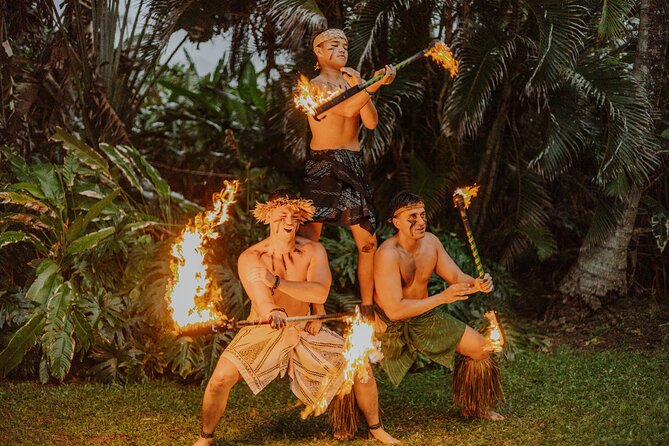
Next up: the energy shifts. You’ll learn Samoan fireknife dance components as well as fireknife drumming. Even if you’ve seen fireknife performances before, a lesson changes the feel. You stop being an audience member and become a participant in the rhythm.
Drumming lessons are especially rewarding because they’re physical and immediate. You feel the beats, you hear how the timing works, and you can adjust in real time with the guidance you’re given.
For the fireknife dance part, the same principle applies. You’re not just absorbing choreography. You’re learning how the dance and rhythm connect. It’s also a memorable way to learn something that isn’t usually offered in standard tourist luau packages.
Practical tip: if you’re not used to coordination-heavy movement, pace yourself. You’ll still get the value even if you only master a small piece. The win here is that you tried, learned, and left with a story.
Dinner from the Imu plus Fat Poi catering
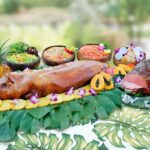
Once the cooking is done, you’ll open the Imu, and the ohana serves traditional Hawaiian food. And it’s not only what comes from the oven.
You’ll also get catered food from a locally famous Hawaiian food truck called Fat Poi. That’s a big deal for value and variety. You’re not stuck with one style of meal or one predictable menu. You get the classic Imu centerpiece plus extra local comfort food energy from the truck.
People often rate luau dinners by one thing: the food quality. Here, the structure supports better meals because you’re building context for the flavors as you go. When you eat something that was cooked in the oven you helped prepare, you naturally pay attention. You taste the work.
If you like food experiences that feel specific to the island, this part delivers. If you’re expecting a formal, plated fine-dining situation, adjust your mindset. This is a cultural night focused on participation and sharing.
Value at $175: what you’re really paying for

At $175 per person, you’re not buying a quick show ticket. You’re paying for a long-ish, hands-on program: oven preparation, lei weaving, poi making, fireknife drumming and dance instruction, then a full meal that includes both Imu and Fat Poi catering.
So the real question isn’t just whether it’s expensive. It’s whether it matches your style.
This is good value if:
- You want to do things, not just watch.
- You care about food that has meaning, not only taste.
- You like learning why practices exist, not only how they look.
- You’re okay driving out to Hauula for a more local-feeling evening.
It’s less good value if:
- You want a mostly passive performance with minimal effort.
- You’re short on time and don’t want a 2 hours 30 minutes commitment.
- You’re not comfortable with the idea of getting involved with practical tasks.
The pricing also makes more sense given the max 50 travelers setup. A smaller group usually means more guidance, more participation, and less “everyone line up and wait” friction.
Timing, weather, and getting to Hauula
The experience starts at 4:00 pm and runs about 2 hours 30 minutes, wrapping back at the meeting point. That time of day is useful: it’s late enough for a relaxed afternoon, but early enough that you still have the whole evening ahead of you after dinner.
Weather matters here. The experience requires good weather, and if it’s canceled due to poor weather, you’ll be offered a different date or a full refund. That’s the kind of policy you want when you’re booking an outdoor-heavy cultural night.
If you’re staying in Honolulu, plan for the drive to Hauula. The distance isn’t the tour’s fault, but you should account for it so the day doesn’t feel rushed. Leave yourself margin to arrive ready to participate.
Transportation-wise, it’s listed as near public transportation. If you’re using buses or other transit, build extra time anyway. Food experiences tend to run on the event’s schedule, not your Uber’s mood.
Who should book this hands-on luau?
This experience fits families well. One of the strongest themes you’ll likely appreciate is that it works for different ages because it’s participatory. Kids often enjoy the craft-and-food rhythm, and adults usually like that it doesn’t just stop at entertainment.
It’s also ideal for:
- Food lovers who want to understand poi and Imu cooking instead of treating them like “tourist items.”
- Culture-minded travelers who want land-based concepts like Malama Aina and Aloha Aina tied directly to the activities.
- People who want something more interactive than a standard luau show.
If you’re traveling solo, you won’t feel lost in the crowd either, since the group size stays capped. If you’re traveling with friends, it’s a good shared activity where you can compare what you made and how the drumming felt.
Should you book this luau with Oahu Experiences?
I’d book it if you want a cultural night where you actively learn: helping prepare the Imu, making poi and a Ti leaf lei, and taking part in fireknife drumming and dance instruction. The $175 price makes sense when you treat it as a skills-and-food experience, not just entertainment.
I’d hesitate only if you’re looking for a mostly passive show or if your travel plans can’t handle an outdoor activity that depends on weather. Also, if you’re expecting a fully formal dining setup, adjust your expectations.
If your ideal Hawaii evening is one where you leave with real participation under your belt, this is the kind of night that sticks.
FAQ
How long is the Oahu luau experience?
It lasts about 2 hours 30 minutes.
Where does the experience start, and what time does it begin?
It starts at 53 Puhuli St, Hauula, HI 96717, beginning at 4:00 pm.
How much does it cost per person?
The price is $175.00 per person.
Will I need a physical ticket?
You’ll receive a mobile ticket.
What is the maximum group size?
This activity has a maximum of 50 travelers.
Are service animals allowed?
Yes, service animals are allowed.
What happens if weather is poor?
The experience requires good weather. If it’s canceled due to poor weather, you’ll be offered a different date or a full refund.
More Tour Reviews in Oahu




More Luau Nights



Just Reviewed: More Oahu Tours



Luau & Polynesian Shows, compared.
 ★ 4.5Paradise Cove LuauFrom $1504,498 reviews
 ★ 5.0Toa Luau at Waimea Valley, OahuFrom $1333,350 reviews
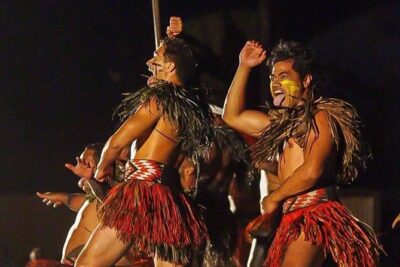 ★ 4.5Chief’s Luau AdmissionFrom $1443,018 reviews
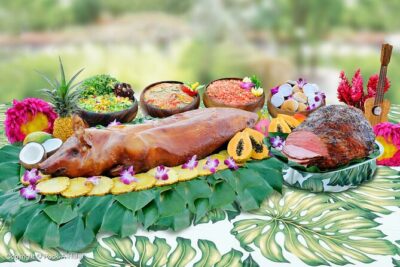 ★ 4.5Waikiki Luau Buffet with Optional Rock-A-Hula Show TicketFrom $1011,572 reviews
 ★ 4.3Ka Moana Luau Dinner and Show at Aloha TowerFrom $1351,087 reviews
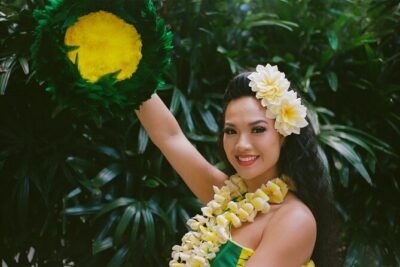 ★ 4.5Paina Waikiki Luau at Waikiki Beach MarriottFrom $141622 reviews
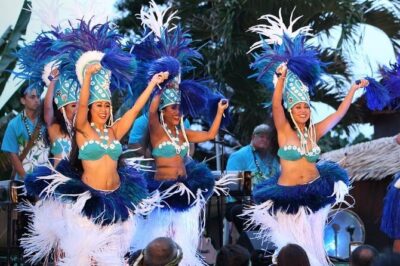 ★ 4.5Aloha Kai LuauFrom $141494 reviews
 ★ 4.0Queens Waikiki Luau with Dinner Buffet and Cultural ActivitiesFrom $139456 reviews
Where else this tour ranks