
Reviewed · HELICOPTER & AIR TOURS
Honolulu: Blue Skies of Oahu Helicopter Tour
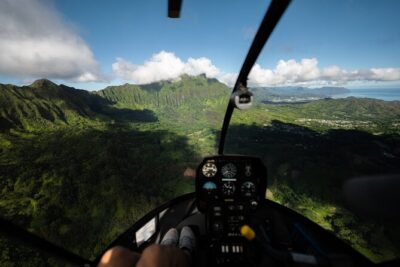
Oahu looks different from the sky. In 50 minutes with Blue Hawaiian Helicopters, you get two big wow-moments: seeing Pearl Harbor and its memorials from above, then flying past Sacred Falls, which you can’t reach by land the same way.
One thing to plan around: the schedule is tight. Check-in happens 45 minutes early, and late arrivals aren’t accepted, so build in buffer time.
You’ll sit in a sightseeing-focused cabin with big glass windows and Bose Aviation-grade electronic noise-cancelling headsets. With narration and 2-way mic communication, it’s not just scenery—it’s a guided ride that helps you understand what you’re looking at.
In This Review
- Key things that make this flight worth it
- Blue Hawaiian Helicopters: what a 50-minute loop actually feels like
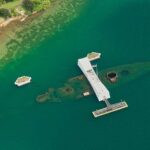
- Pearl Harbor, Arizona Memorial, and Battleship Missouri from above
- Diamond Head and Waikiki reefs: the easy way to read the coastline
- Hanauma Bay, Waimanalo Beach, and Chinaman’s Hat
- Kaneohe Bay and the coral formations you can’t really chart from land
- Nuuanu Valley rainforest and the cliffs you usually miss
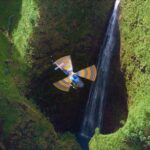
- Sacred Falls: the most special sighting on this route
- Dole Plantation area views: a pop of familiar Oahu
- Why the headsets and narration change everything
- Price and logistics: is $399 worth it?
- What to bring (and what to wear) for sharp photos
- Who should book this tour, and who might think twice
- Should you book the Honolulu Blue Skies of Oahu Helicopter Tour?
Key things that make this flight worth it
- Pearl Harbor from the air: Arizona Memorial and Battleship Missouri show up in context with the coastline.
- Sacred Falls without the land route: you see a waterfall area most visitors only hear about.
- 50 minutes that cover a lot of Oahu: Diamond Head, Waikiki reefs, Hanauma Bay, Waimanalo, Kaneohe Bay, and Nuuanu Valley all fit.
- Bose headsets and pilot communication: you can actually hear the guide and talk to the pilot through the mic.
- Small group, max 6 people: calmer listening and less cabin crowding during the narration.
Blue Hawaiian Helicopters: what a 50-minute loop actually feels like
This is the kind of Oahu experience you do when you want big visual range fast. Fifty minutes sounds short until you realize how many parts of the island you can’t easily line up by car in a single day.
From the moment you check in and get geared up, the flow is geared toward sightseeing. The cabin setup is made for looking—less “tour bus” vibe, more “quiet attention” vibe with a pilot focused on safe flying and a guide feeding you context through narration.
The other thing I like here is the people side. Reports highlight that the ground team stays organized and that the pilot is informative and responsive—exactly what you want when you’re paying for a once-per-trip experience.
Oahu from the air, doors on or off
- Oahu: Magnum PI Hughes 500 4-Passenger Doors-Off Helicopters★ 5.0 · 1,372 reviews
- From Honolulu: Oahu 60min Helicopter Tour with Doors Off/On★ 4.9 · 410 reviews
- Oahu: Helicopter Tour with Doors On or Off★ 4.9 · 221 reviews
- Private Oʻahu Helicopter Experience: All Window Seats★ 5.0 · 209 reviews
Pearl Harbor, Arizona Memorial, and Battleship Missouri from above
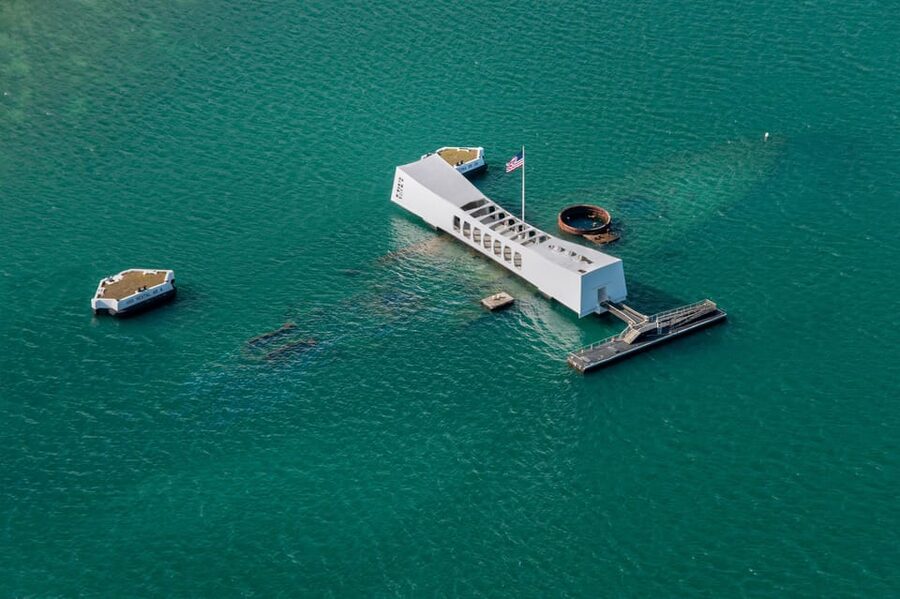
If your main goal is history plus perspective, this is where the tour starts delivering. You fly over Pearl Harbor, and from the air you can see how the water, shoreline, and built areas relate to the memorial sites.
The ride specifically points out the Arizona Memorial and the Battleship Missouri. From the ground, those places can feel like destinations you visit one at a time. From the helicopter, they become part of one connected view of the harbor basin, which makes it easier to grasp scale and layout.
One practical tip: keep your camera ready early in this segment. Lighting changes as you pass over water and across different angles of shoreline, and it’s smart to be ready rather than fumbling once you’re already over the sights.
Diamond Head and Waikiki reefs: the easy way to read the coastline
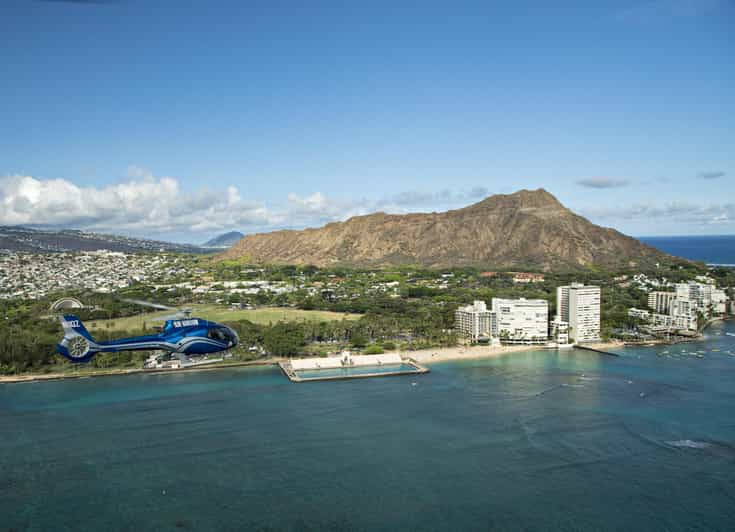
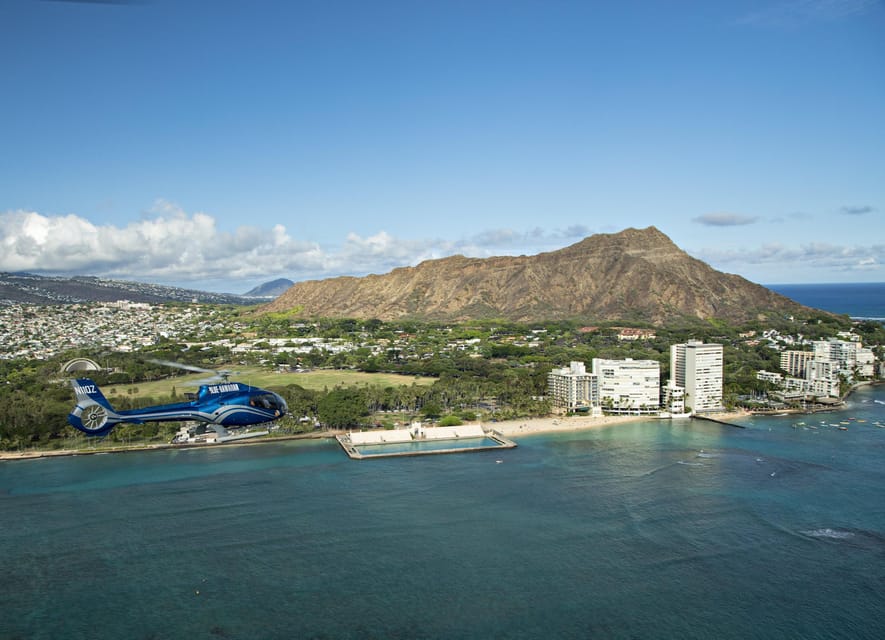
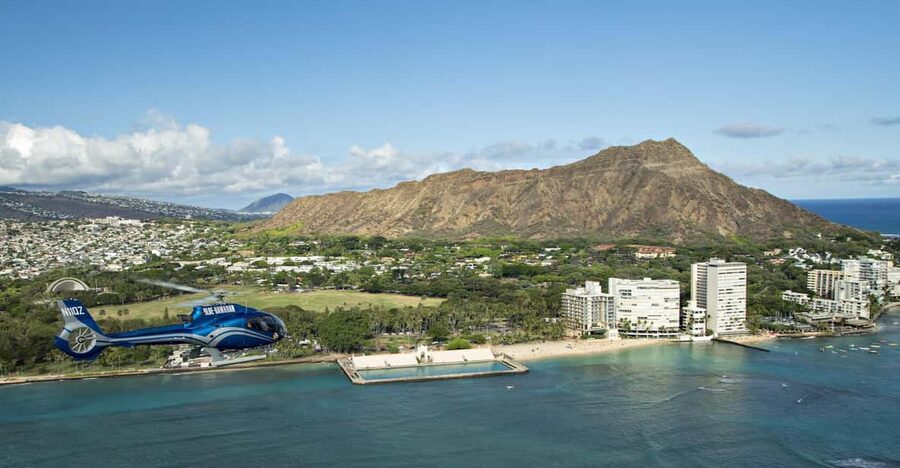
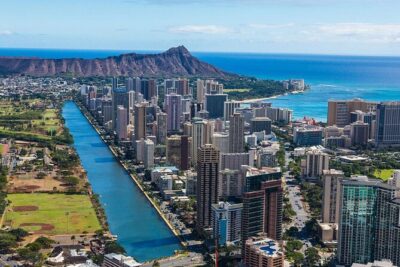
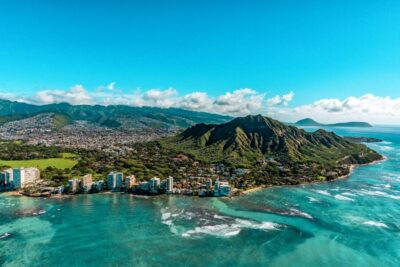
After Pearl Harbor, you move into the parts of Oahu that look great on paper and even better from above. You’ll glide past Diamond Head, including the fact that it’s an extinct volcano—something you’ll “see” more than you can explain from photos.
Then comes Waikiki, with the turquoise coral reefs visible near the shoreline. Helicopter views do something normal beach visits can’t: they show you the reef shape and water color shifts at a glance, so you understand where water is shallow, where it changes, and how the coastline bends.
This is also a good moment to slow down mentally. The temptation is to chase pictures. Instead, try to match what you see from above with what you’ve walked past on Waikiki’s streets. That mental connection is where the sightseeing starts sticking.
Hanauma Bay, Waimanalo Beach, and Chinaman’s Hat
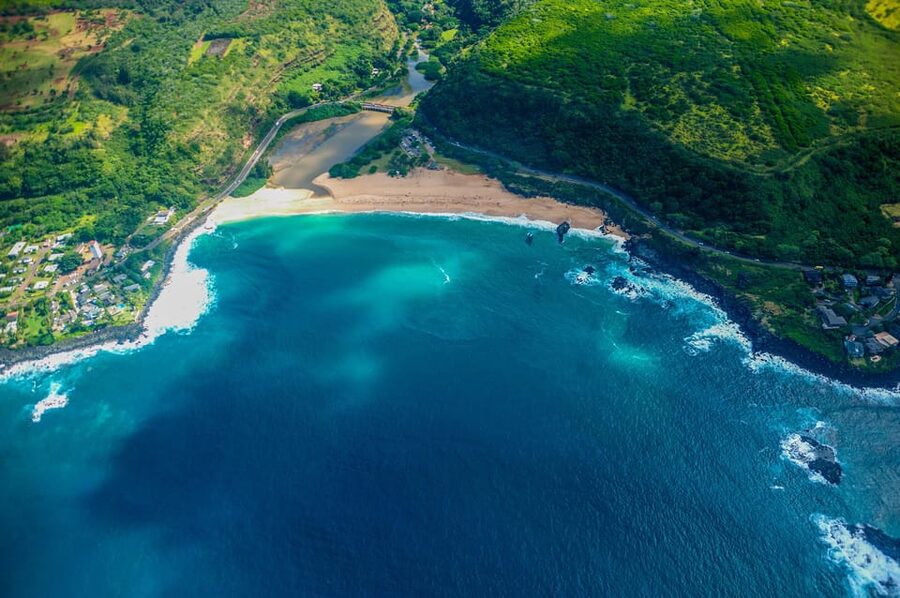
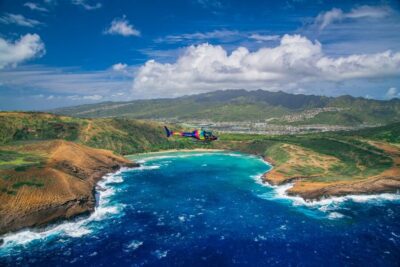
Next you move along the coast, with stops and landmarks that are famous on Oahu but hard to fully appreciate from the road. Hanauma Bay is on the route, and from the air you get a clearer sense of the bay’s shape and how water pools inside it.
You also see the white sands of Waimanalo Beach. From a vehicle, you might catch glimpses. From the air, the color and the beach arc read instantly. It’s a quick visual check that helps you understand why locals and repeat visitors talk about this section with such certainty.
Then there’s Chinaman’s Hat—a distinctive rock formation that’s easy to recognize even when you’re not sure what you’re looking at. When you see it from the sky, it becomes a clear navigation marker for the coastline.
A small but helpful mindset: focus on one “story” at a time. Coastline sequence from Hanauma to Waimanalo to Chinaman’s Hat is a connected stretch, not separate stops. When you treat it that way, the whole flight feels smoother.
A few more Oahu tours to weigh up before you book:
- Private 60 Minutes Helicopter Tour in Honolulu
★ 5.0 · 91 reviews - Day Trip from Oahu to Hilo: Active Volcanoes & Helicopter Tour
★ 4.0 · 59 reviews - Blue Skies of Oahu Helicopter Tour
★ 5.0 · 50 reviews - 60 Minutes SHARED Helicopter Tour in Honolulu
★ 5.0 · 46 reviews - Complete Island Oahu Helicopter Tour
★ 4.5 · 35 reviews
Kaneohe Bay and the coral formations you can’t really chart from land
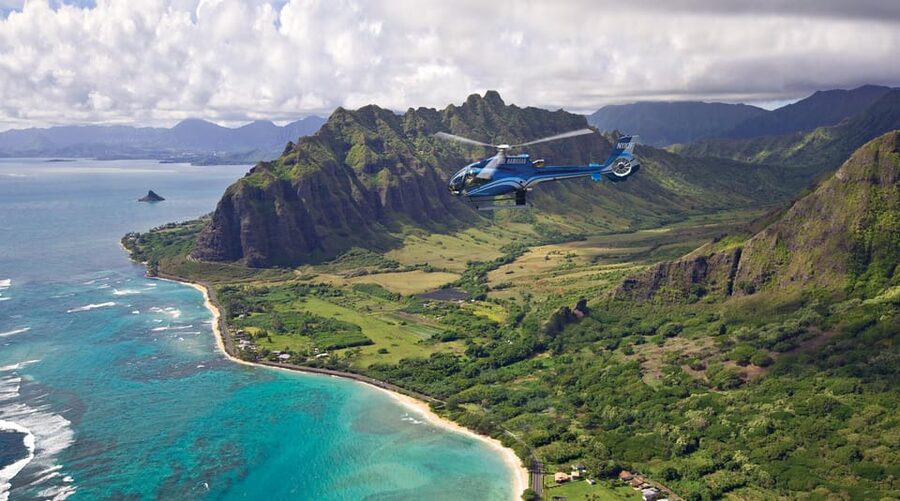
The tour continues over Kaneohe Bay, including views of coral formations. This is the kind of detail that looks artistic from the helicopter—patterns in water color and shape—yet it’s also practical for your understanding of Oahu’s marine geography.
On land, you might see water and boats. From above, you see the structure underneath the surface. It’s the difference between admiring the ocean and actually reading it.
If you’re the type who likes “what am I looking at” answers, this segment is a good one. The narration helps connect visual clues to real places, so you’re not just collecting random pretty views.
Nuuanu Valley rainforest and the cliffs you usually miss
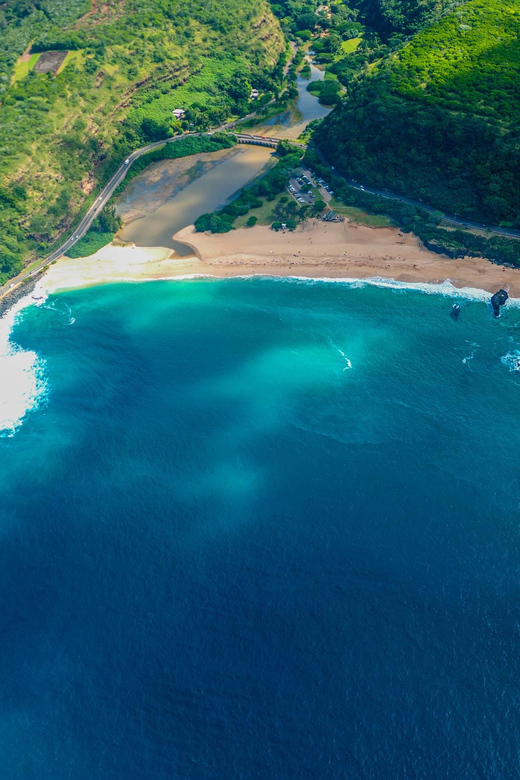
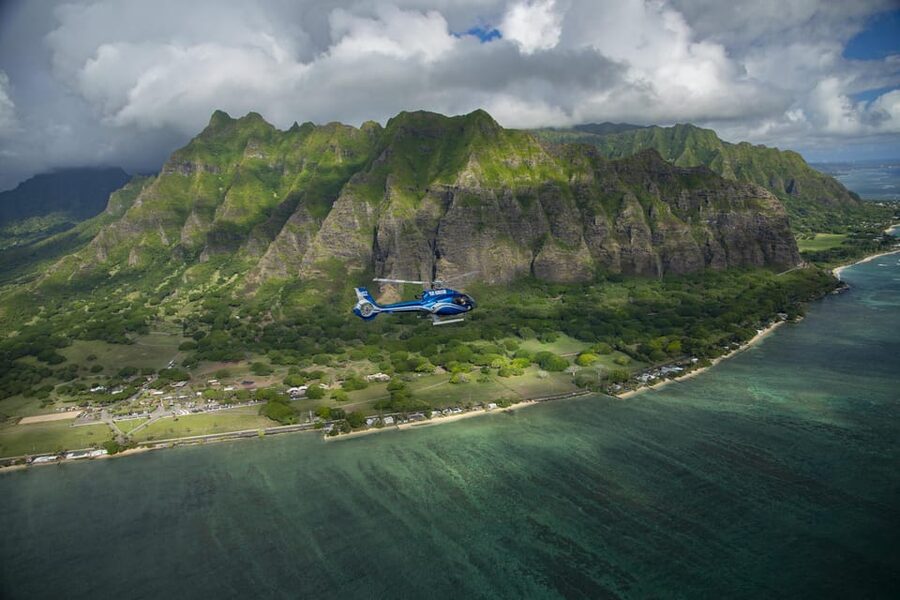
Then the tour shifts away from beaches and into the interior mood of Oahu. You’ll see Nuuanu Valley, including lush rainforest areas and the shapes of valleys and cliffs.
This is where helicopter travel earns its keep. The land route can feel slow and fragmented—roads, traffic, viewpoints, and long distances. From the air, you get the valley’s geometry right away: where slopes run, where the terrain drops, and how the greenery occupies space.
It’s also a reminder that Oahu isn’t only coastal. In a short flight, you get a quick education on the island’s vertical variety—ocean, ridges, valleys, and the way weather and vegetation respond to elevation.
Sacred Falls: the most special sighting on this route
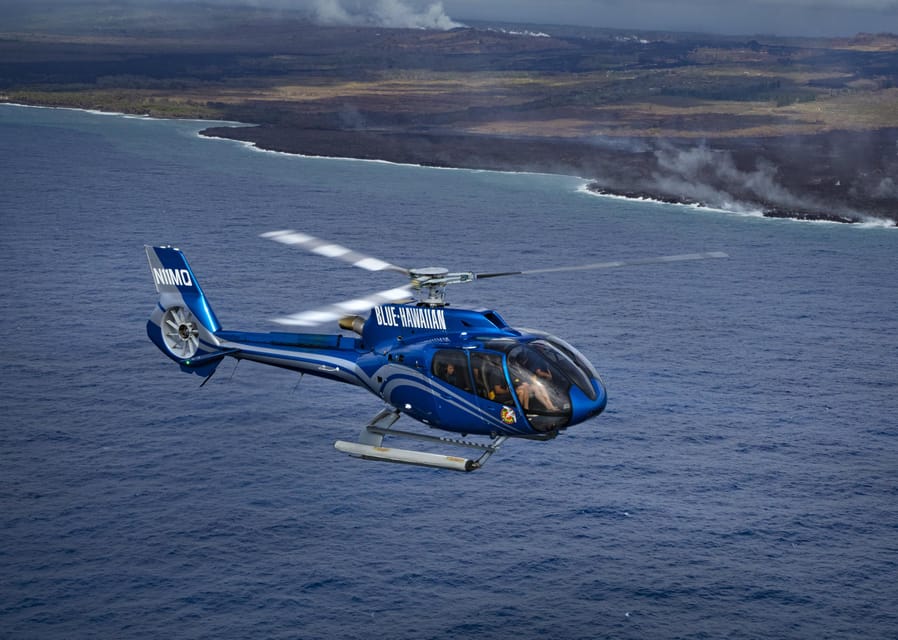
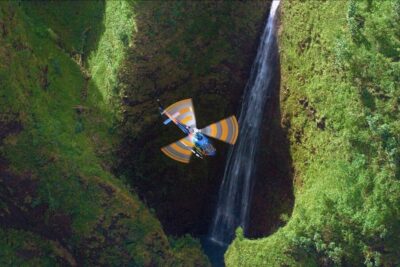
The star detail is Sacred Falls. The big reason it hits is simple: it’s inaccessible by land in the same way most people would expect, so you’re seeing it for the one advantage helicopters have—access to angles and spots you can’t reach on foot or by car as easily.
From above, you can see how the waterfall area sits in the terrain. It stops being a distant point of interest and becomes part of a larger system of cliffs and water flow patterns.
If you’ve been to Oahu before, this is the piece that tends to feel brand new. Not because it’s the only “pretty” thing, but because it’s the most different viewing experience within the flight.
Dole Plantation area views: a pop of familiar Oahu
You’ll also pass views related to the Dole Pineapple Plantation. Even if you don’t plan to stop there on your trip, the helicopter view acts like a visual landmark—one more way to orient yourself and understand how agriculture and coastline sit on the island.
This part is less emotional than Pearl Harbor and less wild than Sacred Falls, but it works for a reason: it helps you connect the island’s geography to places you’ve heard of.
Why the headsets and narration change everything
I love tours where the guide doesn’t just point at things. Here, you get narration designed for flight, plus 2-way communication with the pilot through microphones. That matters because the helicopter ride moves quickly through multiple locations, and your brain needs context in real time.
The Bose Aviation-grade noise-cancelling headsets also make a difference you’ll notice immediately once you’re airborne. Helicopters are loud by nature. With these headsets, you’re not fighting the noise to understand what’s happening.
There’s also a subtle comfort factor. When you can hear the guide clearly, you relax. When you relax, you actually enjoy looking instead of constantly translating.
Price and logistics: is $399 worth it?
At $399 per person for a 50-minute flight, this isn’t a budget add-on. But helicopter tours are priced for access and time. You’re paying to compress a wide slice of Oahu into one guided ride with history, coastline, and interior scenery in a single session.
Small group size matters here too. With a limit of 6 participants, the cabin experience stays less crowded, and it’s easier to listen to narration. That alone can improve the value because your attention isn’t split between noise and elbows.
What about the trade-offs?
- You’ll follow rules like no hats, no luggage or large bags, and no selfie sticks.
- You need to be on time for check-in 45 minutes before the flight, because late arrivals aren’t accepted.
- There’s a weight policy: for guests over 240 lb (108 kg), an adjacent empty seat is required for balance, and that second seat is charged at half off (it’s something you arrange after booking).
I’d treat the restrictions as part of the deal. The reward is that you get a focused sightseeing setup without a lot of extra gear in the way.
What to bring (and what to wear) for sharp photos
You only need basics: bring a passport or ID card. That’s it for documents.
For the photo side, wear matters more than people expect. The tour recommends dark-colored clothing because it helps avoid reflections in photos taken through the glass.
As for what not to bring, the rules are clear: no hats, no selfie sticks, and no large bags. If you’re the kind of traveler who likes packing light but still wants a camera kit, you’ll want to keep it compact.
One more practical note: since the route includes water views, keep your phone and camera secure. You’ll want hands free when the pilot is guiding you through key segments.
Who should book this tour, and who might think twice
This tour fits best if you’re in one of these situations:
- You want a fast, high-impact overview of Oahu without spending a full day driving.
- You care about Pearl Harbor and want a view that helps you understand the harbor layout from above.
- You like scenery that changes quickly—coastline, reefs, bays, rainforest valleys, and a waterfall you can’t reach by land.
You might think twice if your trip schedule is tight and you hate strict timing. This experience demands you be ready at check-in, not “almost there.” Also, if you’re someone who really needs to carry lots of items with you, the restrictions on luggage and hats can feel limiting.
For families, there’s a helpful detail: infants up to 23 months sit on laps and are free of charge. So if you’re traveling with a very young child, you may find the pricing structure easier to manage than some other tours.
Should you book the Honolulu Blue Skies of Oahu Helicopter Tour?
My take: book it if you want the kind of Oahu experience that feels like a guided aerial “greatest hits” package—history, coastline, reefs, interior terrain, and Sacred Falls in one 50-minute loop.
You’re paying for time compression and access, and the value comes through when you use the onboard narration and actually look at the geography you’re crossing. The small group size helps, and the smoother operation described in standout reviews is exactly what you want in a setting where timing and setup matter.
If you can handle early check-in and the simple gear rules, this is one of the better ways to see Oahu from a perspective you can’t replicate from the ground.
More Tours in Oahu




More Tour Reviews in Oahu


Oahu From the Air


Just Reviewed: More Oahu Tours



Helicopter & Air Tours, compared.
 ★ 5.0Magnum PI Hughes 500 4-Passenger Doors-Off HelicoptersFrom $4201,372 reviews
 ★ 4.9From Honolulu: Oahu 60min Helicopter Tour with Doors Off/OnFrom $540410 reviews
 ★ 4.9Helicopter Tour with Doors On or OffFrom $490221 reviews
 ★ 5.0Private Oʻahu Helicopter Experience: All Window SeatsFrom $415209 reviews
 ★ 5.0Path to Pali 30-Minute Doors On or Off Helicopter TourFrom $440104 reviews
 ★ 5.0Private 60 Minutes Helicopter Tour in HonoluluFrom $50991 reviews
Day Trip from Oahu to Hilo: Active Volcanoes & Helicopter TourFrom $98759 reviews
★ 5.0Private 60 Minutes Helicopter Tour in HonoluluFrom $50991 reviews
Day Trip from Oahu to Hilo: Active Volcanoes & Helicopter TourFrom $98759 reviews
 ★ 5.0Blue Skies of Oahu Helicopter TourFrom $43850 reviews
Where else this tour ranks