
Reviewed · GUIDED
Hangar Guided Tour
Ford Island has a way of hitting your heart fast. This 60-minute Hangar Guided Tour walks you through two still-standing WWII hangars—Hangars 37 and 79—and connects the aircraft you see to the people behind the mission. You also get the museum’s award-winning film East Wind, Rain, which helps the day’s timeline click into place. The main trade-off: you’re committing to about an hour, so you may want extra time afterward if you want to roam every exhibit at your own pace.
One big plus for me is the human scale. The tour is kept to a maximum of 25 people, and the veteran docents use a story-first approach that makes the hangar spaces feel less like rooms and more like operational spaces. If you’re picky about time, you’ll also like that there are multiple departure times throughout the day and you use a mobile ticket to get in smoothly.
If you’re only here for the broadest, quickest stop, consider that this tour focuses tightly on Hangar 37 plus Hangar 79. The rest of the museum still matters, but it’s built for you to explore after your guided portion, not instead of it.
In This Review
- Quick hits: what makes this hangar tour worth your hour
- Where this tour takes place: Ford Island’s aviation nerve center
- Price and value: what $40.98 really buys you
- The 60-minute Aviator’s Tour: what happens during your guided hour
- Hangar 37: the utility squadron story behind the aircraft
- Hangar 79 Restoration Shop: bullet holes, repair work, and living history
- The included film: why East Wind, Rain helps your visit click
- Beyond the guided hour: using your included admission wisely
- Flight simulators and other extras: what to plan for if you want more
- Who this tour is best for (and who might skip it)
- Practical tips to make your hour work (without rushing)
- Should you book the Hangar Guided Tour?
- FAQ
- How long is the Hangar Guided Tour?
- What does the tour include?
- Which hangars are included?
- Is the flight simulator included?
- Is this tour offered in English?
- What’s the cancellation policy?
Quick hits: what makes this hangar tour worth your hour
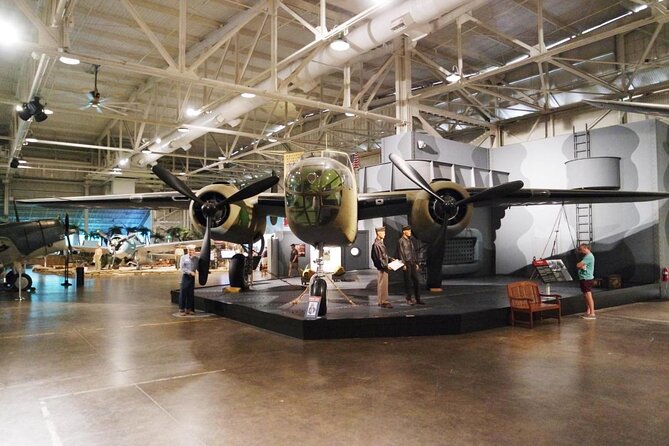
- Two intact WWII hangars with real battle damage you can actually stand inside
- Docent-led storytelling that turns aircraft and artifacts into a clear Pacific War narrative
- Includes general museum admission so your ticket is doing double duty
- Hangar 37’s Pearl Harbor context, including its role during the Dec 7 attack
- Hangar 79’s restoration work in a bullet-scarred space
- The short documentary East Wind, Rain to connect the dots fast
Where this tour takes place: Ford Island’s aviation nerve center
This experience happens at the Pearl Harbor Aviation Museum on Ford Island, which sits right in the middle of Pearl Harbor’s aircraft history. The meeting point is Pearl Harbor Aviation Museum, 319 Lexington Blvd, Honolulu, HI 96818, and the tour ends back there, so you don’t have to worry about transferring to a second location.
What I like about choosing Ford Island for your historical time is that it’s focused. The museum is built around aviation on this specific island, so you get aircraft, hangars, and wartime space all in one place instead of scattering your attention across unrelated exhibits.
Also, plan for practical museum touring time. You’ll be moving through indoor hangar spaces and exhibits, so give yourself a little buffer before and after your scheduled start, especially if you’re pairing this with other Pearl Harbor stops later in the day.
Let a local guide handle the day
- Moana’s Waikīkī Grand Guided Turtle Snorkel & Sailing Adventure★ 4.5 · 936 reviews
- Honolulu: Oahu Island Full-Day Guided Tour by Bus with Lunch★ 4.6 · 506 reviews
- Kailua 2-Hour Guided Kayaking Excursion, Oahu★ 5.0 · 442 reviews
- Chief’s Official Pearl Harbor Self-Guided Multimedia Tour★ 4.0 · 407 reviews
Price and value: what $40.98 really buys you
At $40.98 per person for about an hour, this is not the cheapest way into the museum. But your money covers more than a standard ticket. The tour includes a docent-led hangar experience plus general admission to the museum and exhibits, which means you’re not paying only for the narration—you’re paying for access to the wider collection too.
The “value math” gets even easier when you compare it to typical add-ons. Flight simulators and other extras inside the museum are not included, and those can add cost. If you’re the type who likes context—why that aircraft was there, what the hangar did, how an attack unfolded—this guided hour can prevent you from walking through impressive spaces without getting the full meaning.
If your goal is purely to see airplanes quickly with zero structure, you might feel you could do it without the guided portion. But if you want a story-led visit that helps the aircraft lineup make sense, this is a strong way to spend your time.
The 60-minute Aviator’s Tour: what happens during your guided hour
The guided portion is designed as a tight route through the museum’s most emotionally loaded spaces. You start at the museum in Hangar 37, which is the entry point for visitors to the hangars. From there, you move to Hangar 79, known as the Restoration Shop, and you’ll also have time built in for the museum’s supporting elements included with your ticket.
The tour runs multiple times daily, and the experience is built for a short, guided hit rather than an all-day marathon. That’s great if you’re trying to pack Pearl Harbor intelligently. It’s also honest: if you want to linger over every aircraft detail and reading panel, you’ll want to stay after the tour ends.
What you’ll appreciate most is that the tour doesn’t just point at artifacts—it links them to specific events and functions. You’ll get context for what was happening operationally in the hangars, and that makes the visuals hit harder without needing you to be a WWII expert beforehand.
Hangar 37: the utility squadron story behind the aircraft
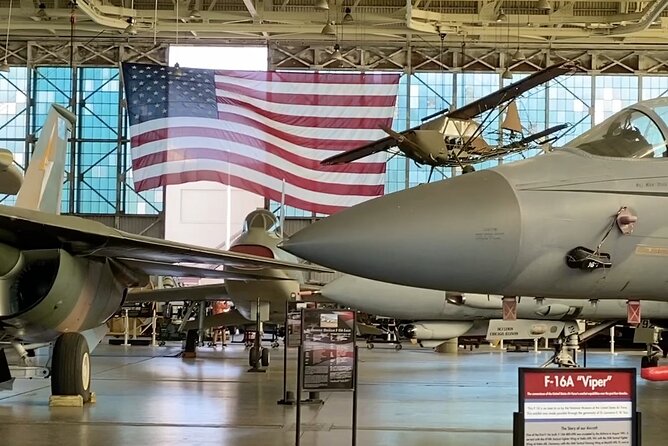
Hangar 37 is more than an old aircraft shelter. On the day of the attack, it served as the hangar for utility squadron VJ-1, which is the kind of detail that makes the space feel immediate rather than distant.
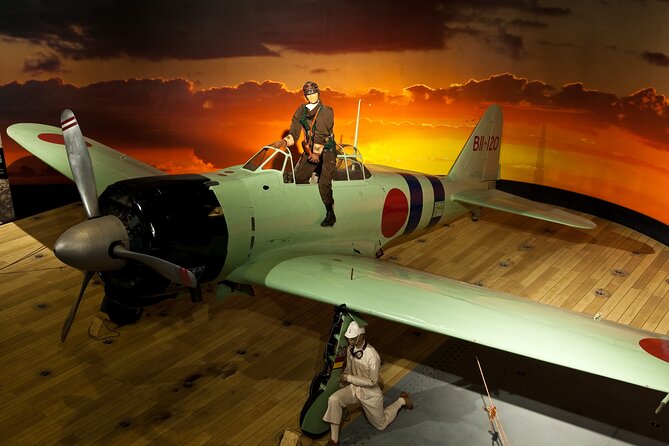
As part of the tour, you’ll get an overview of the Dec 7 attack and then see displays that connect the narrative to physical evidence. The tour includes viewing items associated with the attack context—everything from aircraft linked to that moment to artifacts that help explain how ships and aircraft took damage and kept operating under fire.
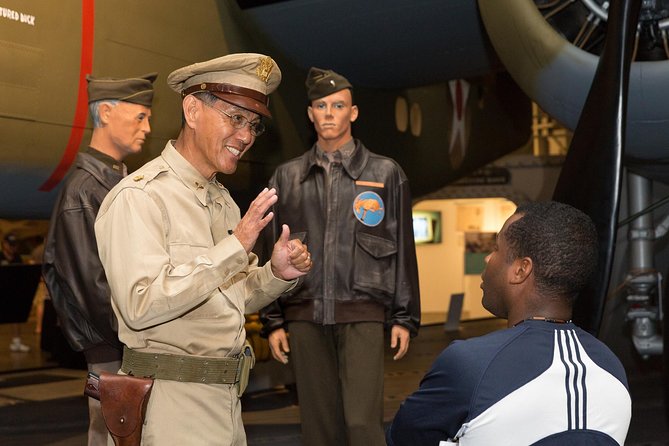
This is also where you can feel how the museum treats its history. The docent approach is built around explanation, not just recitation. In past tours, guides like Tomoko and Chris have been praised for keeping the story moving, answering questions, and giving background that makes the emotional weight of the events land.
If you love aviation but sometimes struggle to place aircraft in time, Hangar 37 is the place where that “where does this fit?” question gets answered fast.
- Waikiki Trolley Blue Line Coastline & Local Grindz Hop-on Hop-off
★ 5.0 · 4,159 reviews - Oahu Circle Island Tour with Waimea Waterfall
★ 5.0 · 3,912 reviews - Oahu’s North Shore: 8-Line Zipline Adventure
★ 5.0 · 3,616 reviews - Hidden Gems of Oahu Circle Island Tour with Byodo In Temple
★ 5.0 · 3,450 reviews - Toa Luau at Waimea Valley, Oahu
★ 5.0 · 3,350 reviews
Hangar 79 Restoration Shop: bullet holes, repair work, and living history
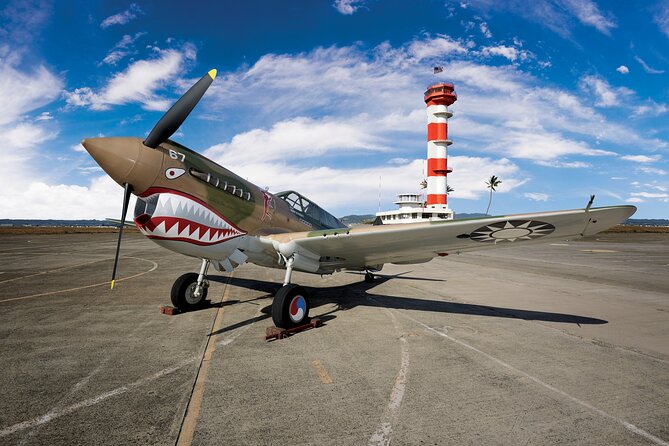
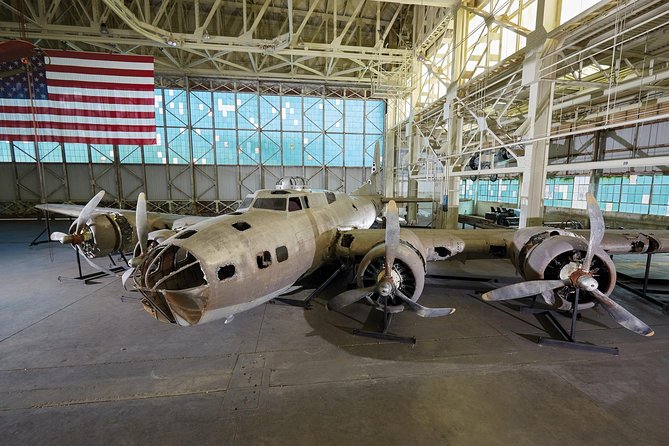
Hangar 79 is the hangar that earns its own pause. It’s still riddled with bullet holes from the Japanese attack, and during WWII it was a maintenance and engine-repair facility. So you’re not just standing in a survivor building—you’re standing in a space where the war was actively processed into aircraft readiness.
Today, the hangar is also part workshop, part exhibit. You’ll see a 1940s Carrier Aircraft Service Unit (CASU) rebuilt to wartime authenticity. The result is that restoration doesn’t feel like a modern hobby set dressing the past—it feels like a continuation of the hangar’s actual job: keep aircraft working, keep aircraft flying.
One of the best “you’ll care if you care about details” elements here is that you can view aircraft being restored with WWII tools, plus aircraft awaiting restoration. That means your tour isn’t only about what happened in 1941. It also shows what it takes to preserve artifacts so they stay meaningful.
This is also the kind of stop that benefits from a great guide. In past experiences, Laughlin Tanaka and Steve have been highlighted for their stage-actor storytelling style—tying planes, people, and events together so the hangar becomes a scene, not a still photo.
The included film: why East Wind, Rain helps your visit click
Your ticket includes general admission and the museum’s award-winning documentary, East Wind, Rain, a 12-minute film about the Dec 7, 1941 attack. It’s short, which is key: it supports your hangar viewing without turning your visit into a waiting game.
I like this film because it gives structure. When you’re walking through aircraft and hangars—spaces that can look similar to modern eyes—the film helps you anchor what you’re seeing to a timeline and the broader Pacific War context.
If you’re traveling with mixed interest levels—say one person wants aircraft, another wants the human story—this film can be the shared bridge. Even if the hangars are what you remember, the film is what helps you remember why they matter.
Beyond the guided hour: using your included admission wisely
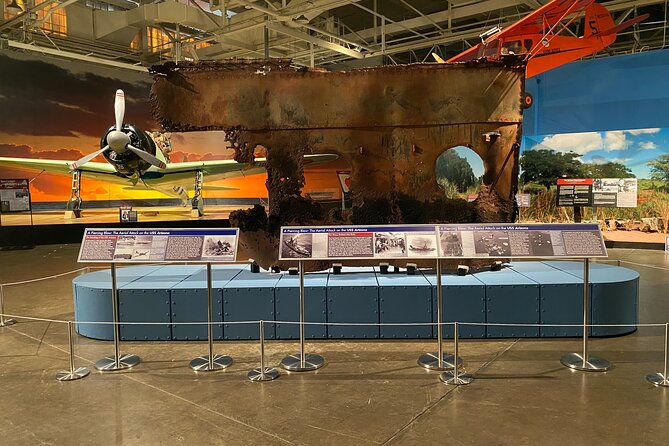
One of the smarter parts of this booking is that your guided tour ticket includes full general admission to the museum and its exhibits. That means your docent-led time doesn’t trap you in a fixed loop. You can take your bearings during the tour, then roam on your own while the story is still fresh.
If you’re the type who likes to see the museum in “layers,” do it like this:
- Use the guided hour for the narrative anchors (Hangar 37, Hangar 79, film)
- Then spend extra time on what interests you most: other aircraft, the museum store, and the rest of the exhibits that expand the bigger Asia-Pacific aviation story
Many people say they could spend longer here. That’s not a bad sign—it’s usually a sign the hangars have the “main event” energy, while the rest of the museum rewards a slower second pass.
Flight simulators and other extras: what to plan for if you want more
Your hangar guided tour ticket does not include the combat flight simulators. That’s a bummer only if you’re counting on simulator time as part of your main plan.
That said, if you do want it, the museum offers flight simulator experiences for an additional fee. One review mentioned the simulator as about $10 for 15 minutes, and it’s worth treating as optional time—fun, but not essential to getting value from the guided tour.
There’s also a “Top of the Tower Tour” mentioned as not included. If you’re the adventurous type and want heights or a broader view, you’ll need to confirm what’s available separately and budget accordingly.
My practical advice: lock in this guided hour first, then decide after you see how much you want to linger. If you want more WWII context, you’ll usually feel satisfied just by the hangars and film.
Who this tour is best for (and who might skip it)
This hangar tour is ideal if you want your Pearl Harbor time to be structured and meaningful without becoming an all-day project. It’s especially good for first-timers to the museum who don’t want to guess what’s important about what they’re seeing.
It’s also a strong fit for aviation fans who appreciate aircraft history but want the hangar spaces to explain the mission behind the metal. And if you travel with kids, it helps to have a guide who can connect the artifacts to the human story. The museum also has an interactive building that families may like, though that’s separate from the hangar portion.
You might skip the guided add-on if:
- you’re only looking for a quick visual scan
- you already know WWII aviation history deeply and can read the museum panels on your own
- you’re short on time and need to maximize sightseeing elsewhere
Practical tips to make your hour work (without rushing)
I’d arrive with the mindset that this is a walking-and-listening tour. You’ll spend time inside hangars, so expect a different feel than outdoor memorial areas—more enclosed, more tactile, and more focused on operations.
Wear comfortable shoes. Hangars are functional spaces, and you’ll be moving through museum sections without much time to “settle in” unless you’re careful with pacing.
If you’re sensitive to emotional content, go slow. The bullet holes and attack context are not symbolic. They’re part of the physical environment, so it’s normal if you need a minute to process.
Finally, if you’re planning to pair this with other Pearl Harbor sites, treat this as the aviation anchor. Do the hangars while you’re still in an “event timeline” mode, then let the rest of your day flow from there.
Should you book the Hangar Guided Tour?
Book it if you want a high-impact hour where Hangars 37 and 79 do the heavy lifting. The docent-led format turns the museum from “cool aircraft” into a clear Pacific War story, and the included film East Wind, Rain helps you connect scenes into a timeline quickly.
Skip it only if you’re confident you’ll enjoy a mostly self-guided museum visit, or if you’re purely optimizing for lowest cost and have extra time to roam later. For most people, the math works out because you’re paying for a guided narrative plus full admission, while major add-ons like flight simulators stay optional.
If you’re choosing between seeing the museum quickly versus understanding what you’re seeing, this is the smarter spend.
FAQ
How long is the Hangar Guided Tour?
It runs for about 1 hour (approximately 60 minutes).
What does the tour include?
It includes the docent-led Hangar Guided Tour plus general admission to the museum and its exhibits.
Which hangars are included?
You’ll visit Hangar 37 (entry point) and Hangar 79 (the Restoration Shop).
Is the flight simulator included?
No. Combat flight simulators are not included in the tour ticket.
Is this tour offered in English?
Yes. The tour is offered in English.
What’s the cancellation policy?
You can cancel for a full refund up to 24 hours before the experience starts. If you cancel less than 24 hours before, the amount paid is not refunded.
Easier With a Local Along





More Tours in Oahu





More Tour Reviews in Oahu



Just Reviewed: More Oahu Tours






Guided, compared.
 ★ 4.5Moana’s Waikīkī Grand Guided Turtle Snorkel & Sailing AdventureFrom $76936 reviews
 ★ 4.6Honolulu: Oahu Island Full-Day Guided Tour by Bus with LunchFrom $170506 reviews
 ★ 5.0Kailua 2-Hour Guided Kayaking Excursion, OahuFrom $199442 reviews
 ★ 4.0Chief’s Official Pearl Harbor Self-Guided Multimedia TourFrom $9407 reviews
 ★ 5.0Kailua Twin Islands Guided Kayak Tour, OahuFrom $275379 reviews
 ★ 4.8Kaneohe: Kualoa Ranch Guided UTV TourFrom $166335 reviews
 ★ 5.0Self-Guided Kayaking Discovery in Kailua, OahuFrom $110249 reviews
 ★ 4.4Circle Island Top Sights Full-Day Tour w/ Local GuideFrom $145245 reviews